
موجة إدانات واسعة لمحاولة استهداف السعودية
توالت الإدانات العربية والإسلامية والدولية بشدة إثر الإعلان عن محاولة استهداف المملكة العربية السعودية بطائرات مسيرة (مفخخة) قادمة من الأراضي العراقية. وقد أعربت العديد من الدول والمنظمات الإقليمية عن تضامنها المطلق مع الرياض، مؤكدة وقوفها التام إلى جانب المملكة في كل ما تتخذه من إجراءات لحفظ أمنها واستقرارها وسلامة أراضيها. وأشادت البيانات الصادرة عن وزارات الخارجية في الدول الشقيقة والصديقة بكفاءة ويقظة قوات الدفاع الجوي الملكي السعودي التي تمكنت من اعتراض هذه التهديدات وتحييدها قبل وصولها إلى أهدافها المدنية والاقتصادية.
السياق العام والخلفية التاريخية للحدث
تأتي هذه التطورات في ظل مشهد إقليمي معقد يشهد توترات أمنية مستمرة. تاريخياً، تعرضت المملكة العربية السعودية لعدة هجمات إرهابية باستخدام الصواريخ الباليستية والطائرات المسيرة، والتي كان مصدرها الأساسي ميليشيا الحوثي في اليمن. إلا أن بروز تهديدات تنطلق من الأراضي العراقية يمثل تحولاً خطيراً وتصعيداً نوعياً في مسار الأحداث. ففي أوائل عام 2021، تبنت فصائل مسلحة غير نظامية تعمل خارج إطار الدولة في العراق هجمات مشابهة استهدفت العاصمة الرياض. هذا التحول يسلط الضوء على خطورة انتشار تكنولوجيا الطائرات المسيرة بأيدي الميليشيات المسلحة والجماعات الإرهابية التي تسعى لزعزعة استقرار المنطقة، ويؤكد على ضرورة تضافر الجهود الإقليمية والدولية لمواجهة هذا التهديد العابر للحدود.
أهمية الحدث وتأثيره المتوقع
التأثير المحلي
على الصعيد المحلي، يعزز هذا الحدث من ثقة المواطنين والمقيمين في قدرات القوات المسلحة السعودية وأنظمة الدفاع الجوي المتطورة التي تمتلكها المملكة. إن النجاح المستمر في اعتراض هذه المسيرات يؤكد جاهزية المملكة العالية لحماية منشآتها الحيوية ومناطقها المأهولة بالسكان، مما يضمن استمرار الحياة الطبيعية والنشاط الاقتصادي دون انقطاع.
التأثير الإقليمي
إقليمياً، يفرض هذا التطور تحديات جديدة على العلاقات الثنائية بين دول المنطقة. فهو يضع الحكومة العراقية أمام مسؤولية كبيرة لضبط الأمن الداخلي ومنع استخدام أراضيها كمنطلق لتنفيذ عمليات إرهابية ضد دول الجوار، وهو ما يتوافق مع الدستور العراقي ومبادئ حسن الجوار. كما أن هذه الأحداث تدفع دول مجلس التعاون الخليجي وجامعة الدول العربية إلى تعزيز التنسيق الأمني المشترك وتوحيد المواقف السياسية لمواجهة التدخلات الخارجية التي تدعم هذه الميليشيات.
التأثير الدولي
دولياً، لا يُنظر إلى استهداف السعودية على أنه شأن محلي أو إقليمي فحسب، بل هو تهديد مباشر للأمن والسلم الدوليين ولعصب الاقتصاد العالمي. فالمملكة تلعب دوراً محورياً في استقرار أسواق الطاقة العالمية، وأي تهديد لمنشآتها يعد تهديداً لإمدادات الطاقة العالمية. لذلك، تسارع الولايات المتحدة الأمريكية والدول الأوروبية والأمم المتحدة إلى إدانة هذه الأعمال الإرهابية، معتبرة إياها انتهاكاً صارخاً للقانون الدولي الإنساني، ومطالبة بمحاسبة الجهات الداعمة والممولة لهذه الجماعات.
مواقف التضامن العربي والإسلامي
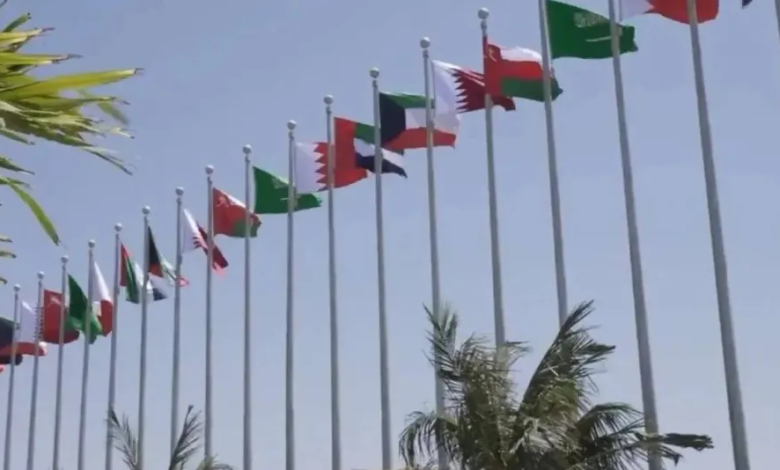
أصدرت منظمة التعاون الإسلامي ومجلس التعاون لدول الخليج العربية بيانات استنكار شديدة اللهجة، محذرة من أن المساس بأمن السعودية هو مساس بأمن المنطقة بأكملها. كما أكدت دول مثل الإمارات، الكويت، البحرين، مصر، والأردن، في بيانات رسمية متتالية، دعمها الكامل للرياض، مشددة على أن أمن الخليج العربي كل لا يتجزأ، وأن هذه المحاولات البائسة لن تزيد المنطقة إلا إصراراً على محاربة الإرهاب واجتثاث جذوره.