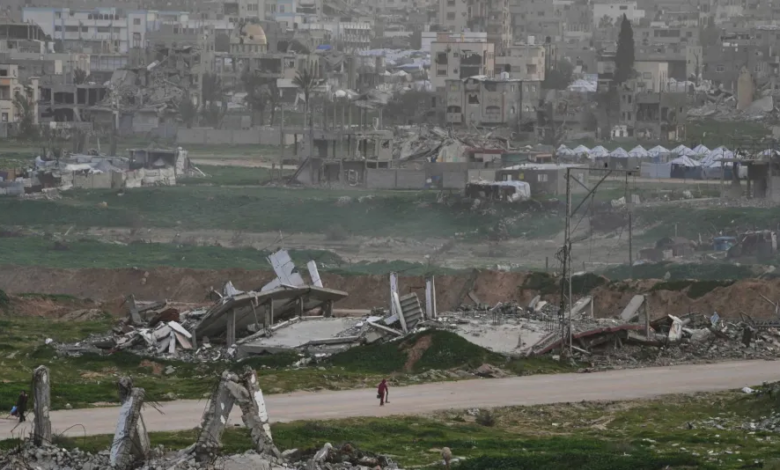

جددت المملكة العربية السعودية موقفها الراسخ والثابت تجاه القضية الفلسطينية، مشددة في أحدث تحركاتها الدبلوماسية على ضرورة ضمان "الارتباط المؤسسي والجغرافي" بين قطاع غزة والضفة الغربية. ويأتي هذا التأكيد السعودي ليقطع الطريق أمام أي طروحات أو سيناريوهات تهدف إلى فصل القطاع عن الجسد الفلسطيني، أو التعامل معه ككيان منفصل أمنياً أو سياسياً بعد انتهاء العمليات العسكرية الجارية.
سياق الموقف السعودي والخلفية التاريخية
ينطلق هذا الموقف من ثوابت السياسة الخارجية السعودية التي تعتبر القضية الفلسطينية قضيتها المركزية الأولى. وتستند المملكة في رؤيتها هذه إلى مبادرة السلام العربية التي طرحتها عام 2002، والتي تدعو إلى إقامة دولة فلسطينية مستقلة ذات سيادة على حدود الرابع من يونيو 1967 وعاصمتها القدس الشرقية. وتعتبر الرياض أن أي حل لا يضمن وحدة الأراضي الفلسطينية (غزة والضفة والقدس) هو حل منقوص ولا يحقق السلام المستدام. ولطالما أكد المسؤولون السعوديون، وعلى رأسهم وزير الخارجية الأمير فيصل بن فرحان، أن الحديث عن مستقبل غزة لا يمكن أن يتم بمعزل عن الحل السياسي الشامل للقضية الفلسطينية.
أهمية الارتباط المؤسسي والجغرافي
يحمل مصطلح "الارتباط المؤسسي" دلالات سياسية عميقة، حيث يعني ضرورة أن تكون السلطة الفلسطينية هي المظلة الشرعية والوحيدة التي تدير شؤون الفلسطينيين في كل من الضفة والقطاع، مما يعزز من شرعية مؤسسات الدولة الفلسطينية الموحدة. أما "الارتباط الجغرافي"، فيشير إلى ضرورة وجود تواصل مادي بين شطري الوطن الفلسطيني، وهو شرط أساسي لقيام دولة قابلة للحياة اقتصادياً واجتماعياً. وتدرك المملكة أن فصل المسارين يهدد بتصفية القضية الفلسطينية وتحويلها إلى مجرد ملفات إنسانية وأمنية منفصلة.
التأثير الإقليمي والدولي
يأتي هذا التشديد السعودي في وقت حساس للغاية، حيث تقود المملكة حراكاً دبلوماسياً مكثفاً عبر اللجنة الوزارية المنبثقة عن القمة العربية الإسلامية المشتركة. ويهدف هذا الحراك إلى حشد اعتراف دولي بالدولة الفلسطينية والضغط على القوى الفاعلة، مثل الولايات المتحدة والاتحاد الأوروبي، لتبني مسار سياسي لا رجعة فيه. إن إصرار السعودية على وحدة الأراضي الفلسطينية يضع المجتمع الدولي أمام مسؤولياته لرفض مخططات التهجير القسري أو إعادة احتلال غزة، ويؤكد أن الأمن والاستقرار في المنطقة لن يتحققا إلا بحل الدولتين العادل والشامل.