
مقدمة: التحول الرقمي في خدمة ضيوف الرحمن
في إطار سعيها المستمر للارتقاء بجودة الخدمات المقدمة لضيوف الرحمن، تواصل المملكة العربية السعودية توسيع نطاق توظيف تقنيات الذكاء الاصطناعي في موسم الحج. يأتي هذا التوجه الاستراتيجي متوافقاً مع مستهدفات رؤية السعودية 2030، التي تهدف إلى إثراء التجربة الدينية وتسهيل أداء المناسك لملايين المسلمين الذين يتوافدون سنوياً إلى مكة المكرمة والمدينة المنورة. إن استخدام التكنولوجيا الحديثة لم يعد مجرد خيار إضافي، بل أصبح ركيزة أساسية في إدارة الحشود وضمان أمن وسلامة الحجاج.
السياق العام والخلفية التاريخية
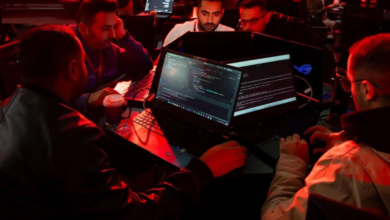
تاريخياً، شكلت إدارة موسم الحج تحدياً لوجستياً وأمنياً هائلاً، حيث يجتمع ملايين البشر في مساحة جغرافية محدودة وخلال فترة زمنية قصيرة جداً. في العقود الماضية، اعتمدت المملكة على الجهود البشرية المكثفة والخطط التقليدية لتنظيم حركة الحشود. ومع التطور التكنولوجي، بدأت السعودية في إدخال التقنيات تدريجياً، بدءاً من أنظمة التأشيرات الإلكترونية، مروراً بالبوابات الذكية وبطاقة الحاج الذكية، وصولاً إلى المرحلة الحالية التي تشهد طفرة غير مسبوقة في الاعتماد على خوارزميات الذكاء الاصطناعي والتعلم الآلي لتحليل البيانات الضخمة والتنبؤ بالمخاطر قبل وقوعها.
أبرز تطبيقات الذكاء الاصطناعي في الحج
تتعدد مجالات استخدام الذكاء الاصطناعي في الحج لتشمل قطاعات حيوية مختلفة. من أبرز هذه التطبيقات:
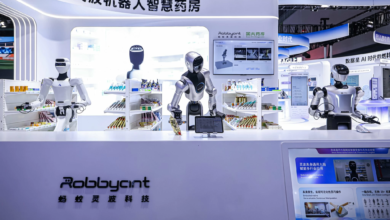
- الروبوتات التوجيهية: نشر روبوتات ذكية في المسجد الحرام تتحدث بلغات متعددة لتقديم الفتاوى والإجابة على استفسارات الحجاج وتوجيههم.
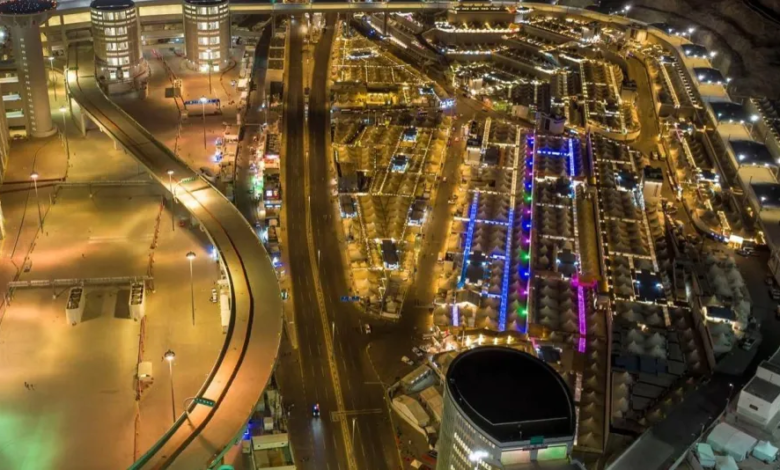
- إدارة الحشود: استخدام كاميرات المراقبة المدعومة بالذكاء الاصطناعي لتحليل كثافة الحشود في المشاعر المقدسة، مما يتيح لغرف العمليات اتخاذ قرارات استباقية لتوجيه المسارات ومنع التدافع.
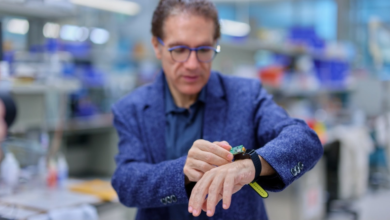
- الرعاية الصحية: توظيف الذكاء الاصطناعي في المستشفيات الميدانية لتشخيص الحالات الطبية بسرعة، وتقديم الاستشارات الافتراضية، ومراقبة الحالة الصحية للحجاج عبر الأساور الذكية.
- النقل والخدمات اللوجستية: تسيير حافلات ذاتية القيادة وتحسين مسارات النقل باستخدام خوارزميات ذكية تقلل من الازدحام المروري.
أهمية الحدث وتأثيره المتوقع
التأثير المحلي
على الصعيد المحلي، يسهم هذا التوسع التقني في رفع كفاءة الأجهزة الحكومية والقطاعات الخاصة العاملة في منظومة الحج. كما يقلل من العبء البدني والذهني على رجال الأمن والكوادر الطبية، ويضمن استغلال الموارد المتاحة بأفضل شكل ممكن، مما ينعكس إيجاباً على الاقتصاد الوطني ويعزز من قدرة المملكة على استضافة أعداد أكبر من المعتمرين والحجاج مستقبلاً.
التأثير الإقليمي والدولي
إقليمياً ودولياً، ترسخ المملكة العربية السعودية مكانتها كنموذج عالمي رائد في إدارة الحشود الكبيرة. إن النجاح في توظيف الذكاء الاصطناعي خلال الحج يلفت أنظار الدول والمنظمات الدولية التي تسعى للاستفادة من التجربة السعودية في تنظيم الفعاليات الرياضية أو الثقافية الكبرى. علاوة على ذلك، يعزز هذا التقدم من القوة الناعمة للمملكة، ويبرز صورتها كدولة حديثة ومبتكرة تضع التكنولوجيا في خدمة الإنسانية.
خاتمة
إن توسع السعودية في توظيف تقنيات الذكاء الاصطناعي لخدمة الحجاج يمثل نقلة نوعية في تاريخ إدارة الحج. من خلال دمج التراث الروحي العريق مع أحدث ما توصلت إليه التكنولوجيا البشرية، تثبت المملكة التزامها المطلق بتوفير بيئة آمنة، صحية، وميسرة لضيوف الرحمن، مما يجعل رحلة الحج تجربة إيمانية لا تُنسى.