
Introduction: A crucial decision in the course of relations
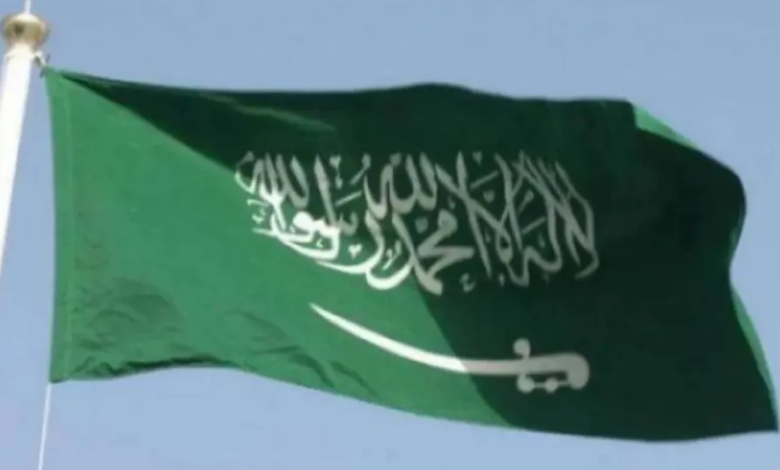
In a decisive diplomatic move reflecting escalating tensions, Saudi Arabia has informed the Iranian military attaché that he must leave the Kingdom within 24 hours. This decision comes amidst rapidly unfolding political developments, raising numerous questions about the future of relations between Riyadh and Tehran and its impact on the stability of the Middle East. This measure is considered a significant diplomatic step taken by states to protect their security and sovereignty.
General context and historical background of the crisis
Saudi-Iranian relations have never been immune to political and diplomatic tensions. Historically, relations between the two countries have witnessed numerous periods of rupture and strain, perhaps most notably in early 2016 when Saudi Arabia severed all diplomatic ties with Iran following attacks on its embassy in Tehran and its consulate in Mashhad. These incidents were not spontaneous but rather the culmination of decades of accumulated geopolitical and ideological disagreements.
Legally and diplomatically, the decision to expel a military attaché or any diplomat falls within the framework of international norms guaranteed by the Vienna Convention on Diplomatic Relations. This convention allows host countries to declare any member of a diplomatic mission persona non grata without having to provide stated justifications, a measure usually taken to express strong displeasure or in response to actions deemed a direct infringement on national sovereignty or security.
The importance of the event and its expected effects
This strict diplomatic measure carries profound implications and far-reaching effects that can be divided into several interconnected levels:
Local and regional impact
Domestically, the decision sends a firm message affirming Saudi Arabia's commitment to protecting its national security and sovereignty from any external interference or diplomatic transgressions. Regionally, this event is expected to have a significant impact on the security and political landscape of the Arabian Gulf and the Middle East in general. Tensions between the two largest regional powers often manifest in complex regional issues. Furthermore, the Gulf Cooperation Council (GCC) and the Arab League typically adopt positions of solidarity and support for Riyadh in such crises, which could lead to new diplomatic alignments or a strengthening of existing security alliances to counter any potential escalation.
International and economic repercussions
Internationally, the international community, particularly major powers like the United States and the European Union, is watching these developments with great concern. Any political or security escalation between Saudi Arabia and Iran carries direct risks to the stability of global energy markets, given the two countries' status as the world's leading oil producers and their control of strategic and vital waterways for global trade, such as the Strait of Hormuz and the Bab el-Mandeb Strait.
In addition, this event may prompt the United Nations and other international actors to intensify mediation efforts and urgently call for de-escalation, in order to prevent the region from sliding into confrontations with unforeseen consequences that could harm international peace and security.
a summary
In conclusion, the Iranian military attaché's 24-hour notice to leave is not merely a routine protocol, but a strong indication that diplomatic relations have reached a critical juncture requiring close monitoring and in-depth analysis. The coming days will reveal the trajectory of this diplomatic crisis, and whether it will escalate further or whether regional and international diplomatic channels will intervene to contain the situation and restore dialogue in a way that serves the stability of the region.