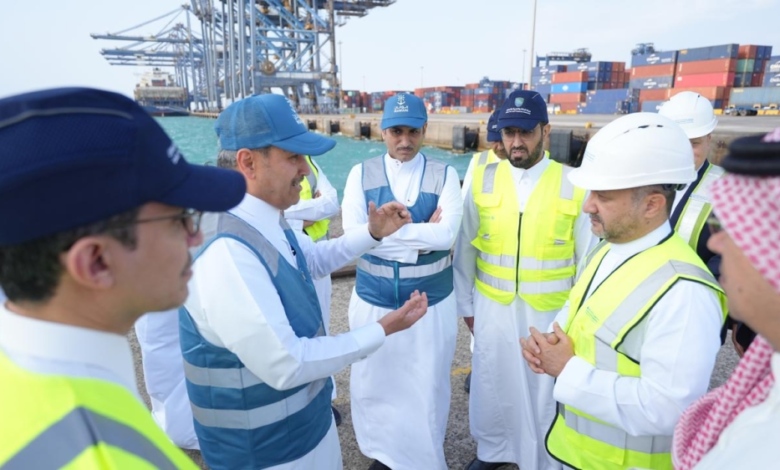

In a strategic move aimed at solidifying the Kingdom of Saudi Arabia's position on the international trade map, the Zakat, Tax and Customs Authority, in close cooperation with the Saudi Ports Authority (Mawani), announced the launch of a comprehensive package of new logistics initiatives and services. This step seeks to enhance the Kingdom's role as a global logistics hub , while emphasizing the complete readiness of Saudi ports to transport goods across the Kingdom to neighboring countries with high efficiency and effectiveness, thus supporting regional and international trade in an unprecedented manner.
Historical context: Vision 2030 and the National Transport Strategy
These initiatives were not spontaneous, but rather a natural and well-considered extension of the objectives of Saudi Vision 2030, launched by His Royal Highness the Crown Prince in 2016. These efforts are based on the National Transport and Logistics Strategy, which aims to leverage the Kingdom's strategic geographic location, connecting three major continents: Asia, Europe, and Africa. Historically, the Arabian Peninsula has served as a vital trade corridor, and today, with approximately 13% of global trade passing through the Red Sea, the Kingdom is redefining its historical role by utilizing cutting-edge technologies and advanced infrastructure to become a central hub in global supply chains.
Infrastructure development and digital transformation
The authority explained that these initiatives are part of efforts to develop the logistics system and improve the efficiency of supply chains. The new strategy is based on three main pillars:
- Infrastructure development: Upgrading customs outlets and ports to enable them to accommodate the growing increase in the volume of trade.
- Digital transformation: Adopting advanced electronic customs procedures that contribute to accelerating clearance processes and drastically reducing waiting times.
- Logistics integration: Enhancing coordination among all stakeholders to ensure a smooth and flexible experience for exporters and importers.
Details of the initiatives: Transit and bonded areas
In support of international trade, the Authority highlighted two key services that represent a fundamental pillar in facilitating supply chains:
1. Transit service
This service enables the transport of goods across the Kingdom to GCC countries and neighboring nations via land, sea, and air ports. This multimodal connectivity strengthens the Kingdom's role as a secure and efficient trade corridor, contributing to faster movement of goods between countries and reducing operating costs for shipping companies.
2. Goods Deposit and Storage Areas
Bonded zones offer importers and exporters a significant competitive advantage, allowing them to store goods in dedicated warehouses with customs duties and taxes suspended until the goods are released for local use or re-exported outside the Kingdom. This provides companies with tremendous operational and financial flexibility in managing their cash flow and business operations.
Economic impact: locally, regionally, and internationally
These initiatives have far-reaching economic impacts on several levels:
At the local level: These steps contribute to diversifying national income sources and reducing dependence on oil, in addition to attracting foreign direct investment and creating thousands of job opportunities for national cadres in the transport and logistics sector.
At the regional level: The initiatives promote economic integration among the GCC countries and make Saudi ports the main gateway for goods to enter Middle Eastern markets, thus ensuring the stability of regional supply chains.
At the international level: Amid the challenges facing global supply chains, the Kingdom is positioning itself as a reliable and stable alternative. By streamlining procedures and reducing container dwell time, Saudi Arabia is contributing to lower global shipping costs and ensuring the smooth flow of vital goods between East and West.
In conclusion, the Zakat, Tax and Customs Authority affirmed that these initiatives reflect the Kingdom’s firm commitment to developing the logistics sector according to the highest international standards, which contributes to supporting the national economy and achieving the ambitious vision of Saudi Arabia being the most important logistics platform that connects the world.