
التزام سعودي راسخ بحماية قاصدي الحرمين
تؤكد المملكة العربية السعودية دائماً وبشكل قاطع أن أمن وسلامة ضيوف الرحمن من الحجاج والمعتمرين يمثل «خطاً أحمر» لا يمكن التهاون فيه بأي شكل من الأشكال. وتضع القيادة السعودية حماية قاصدي الحرمين الشريفين في صدارة أولوياتها القصوى، مسخرة كافة إمكاناتها البشرية والمادية والتقنية لضمان أداء المناسك بكل يسر وطمأنينة، ومشددة على منع أي تجاوزات قد تعكر صفو هذه الشعيرة العظيمة.
السياق العام والخلفية التاريخية لخدمة الحرمين
منذ توحيد المملكة العربية السعودية على يد الملك المؤسس عبدالعزيز آل سعود -طيب الله ثراه-، أخذت الدولة على عاتقها شرف خدمة الحرمين الشريفين وقاصديهما كرسالة أساسية. وقد توالت التوسعات التاريخية للمسجد الحرام والمسجد النبوي الشريف عبر العقود الماضية، لتشمل تطوير البنية التحتية بشكل جذري. وشهدت المشاعر المقدسة مشاريع عملاقة مثل منشأة الجمرات الحديثة، وقطار الحرمين السريع، وتوسعة المطاف، والتي تهدف جميعها إلى استيعاب الأعداد المتزايدة من الحجاج والمعتمرين مع ضمان أعلى مستويات الأمن والسلامة. إن هذه الجهود الجبارة ليست وليدة اللحظة، بل هي امتداد لإرث تاريخي طويل من الرعاية والاهتمام المباشر من ملوك المملكة المتعاقبين.
التطور التقني والأمني في ضوء رؤية 2030
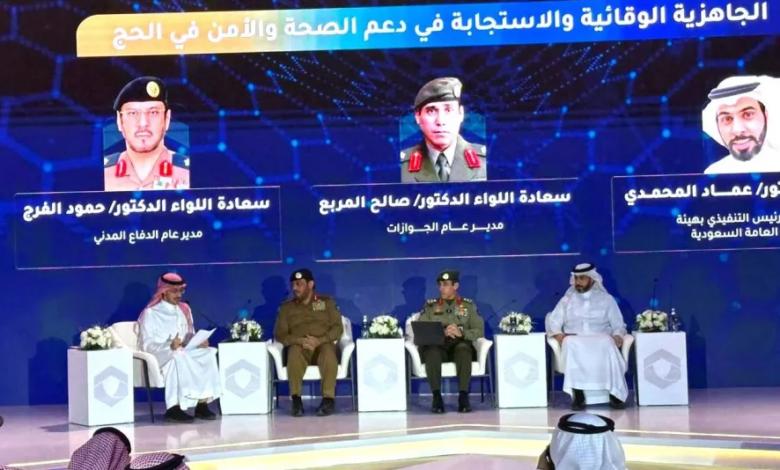
في العصر الحديث، ومع إطلاق رؤية السعودية 2030، اتخذت المملكة خطوات غير مسبوقة لتطوير منظومة الحج والعمرة. تم توظيف أحدث التقنيات الحديثة والذكاء الاصطناعي في إدارة الحشود، وإطلاق منصات رقمية متكاملة مثل تطبيق «نسك» لتسهيل الإجراءات. وتلعب وزارة الداخلية السعودية، ممثلة في قوات أمن الحج والعمرة، دوراً محورياً في الحفاظ على استقرار الأوضاع الأمنية، حيث يتم نشر عشرات الآلاف من رجال الأمن المدربين على أعلى المستويات للتعامل مع أي طارئ. كما تولي وزارة الصحة اهتماماً بالغاً بالجانب الوقائي والعلاجي، من خلال تجهيز مستشفيات ميدانية ومراكز صحية متطورة داخل المشاعر المقدسة لتقديم الرعاية الطبية المجانية الفورية. وتشدد السلطات السعودية باستمرار على منع أي محاولات لتسييس الحج أو رفع شعارات سياسية أو مذهبية، مؤكدة أن الحج للعبادة فقط، وأن أي تجاوز سيقابل بحزم.
أهمية الحدث وتأثيره محلياً وإقليمياً ودولياً
على الصعيد المحلي، يعكس هذا الالتزام الصارم قوة مؤسسات الدولة السعودية وقدرتها الفائقة على إدارة أكبر تجمع بشري سنوي في العالم بكفاءة واقتدار، مما يعزز من الفخر الوطني ويحقق مستهدفات رؤية 2030 في استضافة ملايين المعتمرين سنوياً. أما إقليمياً وإسلامياً، فيبعث هذا الموقف الحازم رسالة طمأنينة لأكثر من مليار ونصف المليار مسلم حول العالم، مؤكداً لهم أن رحلتهم الإيمانية محاطة بعناية فائقة ورعاية شاملة، وأن المملكة تقف سداً منيعاً أمام أي تهديدات قد تمس بسلامتهم.
وعلى الصعيد الدولي، فإن نجاح السعودية المستمر في إدارة الحشود وتطبيق البروتوكولات الصحية والأمنية الصارمة، جعل منها نموذجاً عالمياً يُحتذى به في إدارة التجمعات البشرية الضخمة وإدارة الأزمات. إن التأكيد الدائم على أن ضيوف الرحمن خط أحمر هو تجسيد حقيقي لرسالة المملكة في نشر السلام والتسامح، وتوفير بيئة آمنة ومستقرة للعبادة بعيداً عن أي تجاذبات سياسية.