
أعلنت السلطات في المملكة العربية السعودية عن تطبيق عقوبات صارمة وغرامات مالية ضخمة تصل إلى 26 ألف دولار أمريكي (ما يعادل حوالي 100 ألف ريال سعودي) بحق مخالفي أنظمة الحج والذين يحاولون أداء الفريضة دون الحصول على التصاريح الرسمية اللازمة. تأتي هذه الخطوة الحازمة في إطار حرص الحكومة السعودية على تنظيم شعيرة الحج وضمان أمن وسلامة ضيوف الرحمن الذين يتوافدون بالملايين من كافة أنحاء العالم.
تفاصيل الغرامات والعقوبات على مخالفي أنظمة الحج
أوضحت وزارة الداخلية السعودية أن العقوبات لا تقتصر فقط على الغرامات المالية، بل تشمل حزمة من الإجراءات الرادعة. يتم فرض غرامة مالية قدرها 10 آلاف ريال سعودي على كل من يضبط وهو يحاول دخول مكة المكرمة أو المشاعر المقدسة بدون تصريح حج ساري المفعول. وتتضاعف هذه الغرامة في حال تكرار المخالفة لتصل إلى مبالغ كبرى تبلغ 100 ألف ريال (نحو 26 ألف دولار). بالإضافة إلى ذلك، يتعرض المقيمون المخالفون لعقوبة الإبعاد الفوري عن أراضي المملكة والمنع من دخولها لمدد محددة وفقاً لنظام أمن الحدود. كما تشمل العقوبات السجن لمدة تصل إلى ستة أشهر ومصادرة المركبات للأشخاص الذين يتم ضبطهم وهم ينقلون حجاجاً غير مصرح لهم.
السياق العام والخلفية التاريخية لتنظيم الحج
تاريخياً، شهدت مكة المكرمة والمشاعر المقدسة تحديات كبيرة بسبب الأعداد الهائلة من الحجاج التي تتجاوز الطاقة الاستيعابية المكانية، مما أدى في عقود سابقة إلى حوادث تدافع وازدحام شديد. استجابة لذلك، بدأت المملكة العربية السعودية منذ سنوات طويلة في تطبيق نظام “تصريح الحج” وتحديد حصص (كوتة) لكل دولة إسلامية، بالإضافة إلى تنظيم حج المواطنين والمقيمين داخل المملكة ليكون مرة واحدة كل خمس سنوات. يهدف هذا النظام التاريخي إلى تحقيق التوازن بين أعداد الحجاج والمساحات المتاحة في منى وعرفة ومزدلفة، مما يضمن تقديم خدمات صحية ولوجستية وأمنية عالية الجودة.
أهمية الحدث وتأثيره المتوقع محلياً ودولياً
يحمل التشديد على تطبيق عقوبات مخالفي أنظمة الحج أهمية كبرى وتأثيرات متعددة الأبعاد:
- على الصعيد المحلي: يساهم القرار في تخفيف الضغط الهائل على البنية التحتية في مكة المكرمة، ويمنع الافتراش العشوائي في الشوارع، مما يسهل حركة المرور وتنقلات الحجاج النظاميين، ويتيح للجهات الصحية والأمنية أداء مهامها بكفاءة أعلى.
- على الصعيد الإقليمي والدولي: يعزز هذا الإجراء من التزام الدول الإسلامية بالحصص المقررة لها، ويحمي المسلمين حول العالم من الوقوع ضحية لحملات الحج الوهمية والاحتيال المالي. كما يرسل رسالة طمأنة للمجتمع الدولي بأن السعودية تضع سلامة الحجاج على رأس أولوياتها، وتدير هذه الحشود المليونية باحترافية ووفق أعلى المعايير العالمية.
توظيف التقنية في ضبط المخالفين
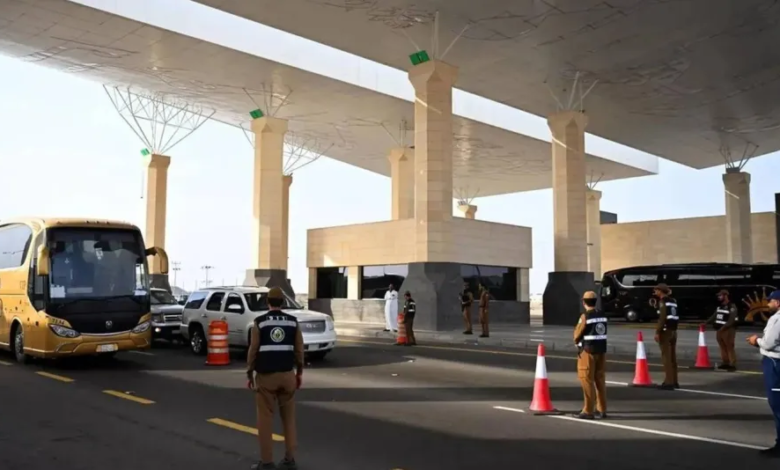
لضمان تنفيذ هذه الأنظمة، تعتمد الجهات الأمنية السعودية على أحدث التقنيات، بما في ذلك البوابات الإلكترونية، وكاميرات المراقبة الذكية، وتطبيقات الهواتف الذكية مثل تطبيق “نسك” وتطبيق “توكلنا” للتحقق الفوري من هوية الحجاج وتصاريحهم. وتؤكد هذه الإجراءات المتكاملة أن لا حج بدون تصريح، وأن أمن وسلامة الحجاج خط أحمر لا يمكن التهاون فيه.