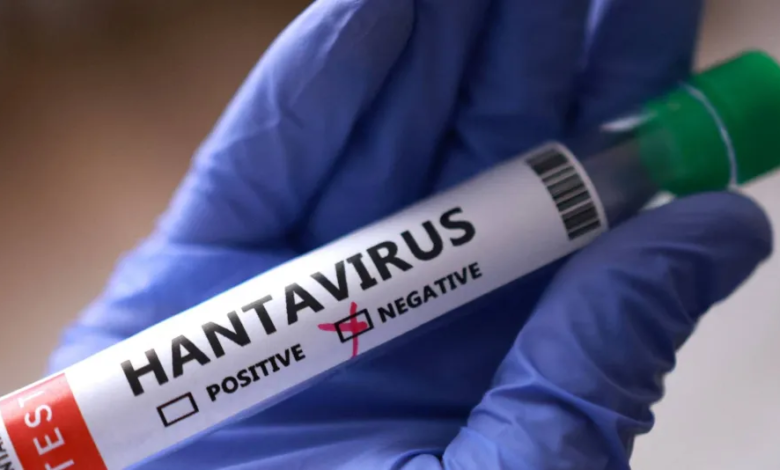

أكدت السلطات الصحية في المملكة العربية السعودية أن احتمالية وفادة فيروس «هانتا» إلى البلاد منخفضة جداً، وذلك في استجابة استباقية للمخاوف التي أثيرت عالمياً بعد تسجيل حالات متفرقة في بعض الدول. وتهدف هذه التصريحات إلى طمأنة الرأي العام وتوضيح الحقائق العلمية حول الفيروس، مع التأكيد على قوة وفعالية أنظمة الرصد الوبائي المتبعة في المملكة.
ما هو فيروس هانتا وما هي خلفيته التاريخية؟
فيروس هانتا هو مجموعة من الفيروسات التي تنتشر بشكل أساسي عن طريق القوارض، مثل الفئران والجرذان. تم اكتشاف الفيروس لأول مرة خلال الحرب الكورية في خمسينيات القرن الماضي، وسُمي نسبةً لنهر “هان تان” في كوريا الجنوبية حيث لوحظت أولى الحالات بين الجنود. لا ينتقل الفيروس عادةً من إنسان إلى آخر، بل تحدث العدوى بشكل رئيسي عند استنشاق رذاذ بول أو براز أو لعاب القوارض المصابة، أو من خلال ملامسة الأسطح الملوثة بها. يتسبب الفيروس في مرضين رئيسيين: متلازمة فيروس هانتا الرئوية (HPS) الشائعة في الأمريكتين، والحمى النزفية المصحوبة بالمتلازمة الكلوية (HFRS) المنتشرة في أوروبا وآسيا.
أهمية الإعلان السعودي وتأثيره
يأتي هذا الإعلان في سياق عالمي يتسم بزيادة الوعي واليقظة تجاه الأمراض المعدية. ففي ظل انتشار المعلومات السريع عبر وسائل التواصل الاجتماعي، يمكن أن تثير أي حالة فردية لمرض غير شائع موجة من القلق أو المعلومات المضللة. لذلك، يكتسب التحرك السعودي أهمية كبرى على عدة مستويات:
- محلياً: يهدف الإعلان إلى منع انتشار الشائعات وطمأنة المواطنين والمقيمين بأن النظام الصحي يراقب الوضع عن كثب، وأن الإجراءات الوقائية المطبقة في المنافذ الحدودية والموانئ قادرة على التعامل مع أي طارئ صحي. كما يرفع من مستوى الوعي العام بضرورة الحفاظ على النظافة ومكافحة القوارض في المنازل والمناطق المحيطة بها.
- إقليمياً ودولياً: يعكس الإعلان التزام المملكة بالشفافية في الإبلاغ عن المخاطر الصحية، ومشاركتها الفعالة في منظومة الأمن الصحي العالمي. كما يوضح أن تقييم المخاطر يستند إلى بيانات علمية دقيقة تأخذ في الاعتبار عوامل مثل التوزيع الجغرافي للقوارض الناقلة وطبيعة الفيروسات السائدة في المنطقة، والتي تختلف عن تلك الموجودة في مناطق تفشي المرض.
وأوضحت الجهات المعنية أن المملكة تمتلك برنامجاً متكاملاً للرصد والمكافحة، يشمل مراقبة الأمراض المنقولة بالنواقل، وتطبيق إجراءات صحية صارمة على الشحنات والبضائع المستوردة، بالإضافة إلى حملات التوعية المستمرة. ونصحت الجمهور بضرورة استقاء المعلومات من مصادرها الرسمية، وتجنب تداول الأخبار غير الموثوقة التي قد تسبب هلعاً لا مبرر له.