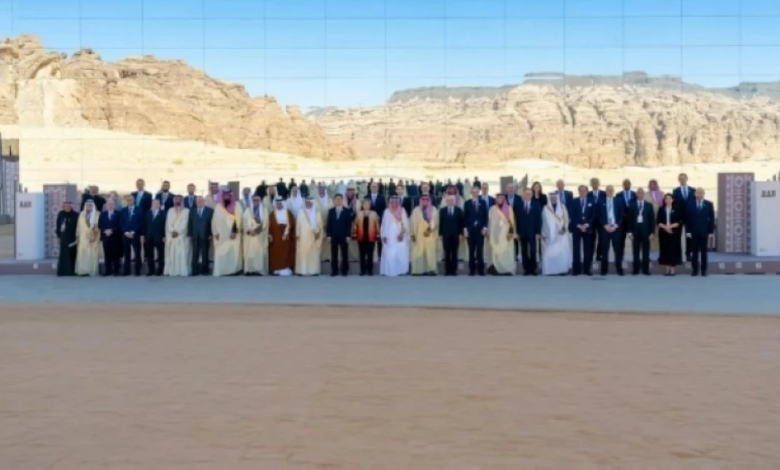

في خطوة تعكس الدور المتنامي للمملكة العربية السعودية في صياغة السياسات الاقتصادية العالمية، اختتمت في مدينة العلا التاريخية أعمال النسخة الثانية من «مؤتمر العلا لاقتصاديات الأسواق الناشئة». وقد أصدرت المملكة، ممثلة بوزارة المالية، وصندوق النقد الدولي بياناً مشتركاً أكدا فيه أن تبني سياسات اقتصادية ومالية حكيمة، بالتوازي مع تمكين القطاع الخاص، يمثل حجر الزاوية لضمان استقرار ونمو الأسواق الناشئة في ظل المتغيرات العالمية المتسارعة.
شراكة استراتيجية لمواجهة التحديات العالمية
جاء هذا الإعلان في ختام المؤتمر الذي عُقد خلال الفترة من 8 إلى 9 فبراير الجاري، بتنظيم مشترك جمع وزير المالية السعودي محمد الجدعان، والمديرة العامة لصندوق النقد الدولي كريستالينا غورغييفا. ويأتي هذا الحدث في توقيت حاسم يواجه فيه الاقتصاد العالمي حالة من عدم اليقين، مما يبرز أهمية التعاون بين المؤسسات المالية الدولية والدول المؤثرة اقتصادياً مثل المملكة العربية السعودية لوضع خارطة طريق تدعم الدول النامية والأسواق الناشئة.
وقد شهد المؤتمر حضوراً لافتاً لنخبة من صناع السياسات، وكبار الأكاديميين، ورؤساء المؤسسات المالية الإقليمية والدولية، حيث تمحورت النقاشات حول سبل تعزيز المناعة الاقتصادية للدول الناشئة أمام الصدمات الخارجية.
ركائز الصمود الاقتصادي: السياسات والمؤسسات
أوضح البيان المشترك أن النقاشات ركزت بشكل معمق على كيفية تعامل اقتصادات الأسواق الناشئة مع بيئة عالمية تتسم بالتعقيد، نتيجة التحولات الجيوسياسية وتغير أنماط التجارة الدولية. وشدد الجانبان على النقاط التالية:
- السياسات المالية الكلية: التأكيد على أن الانضباط المالي والسياسات النقدية المتزنة هي خط الدفاع الأول ضد التضخم وتقلبات الأسواق.
- المؤسسات القوية: أثبتت التجارب الدولية أن الدول التي تمتلك أطراً مؤسسية موثوقة وحوكمة فعالة كانت الأقدر على الحفاظ على استقرارها المالي وضمان استمرار نفاذها إلى أسواق التمويل العالمية حتى في أوقات الأزمات.
دور القطاع الخاص والتحول الرقمي
وفي سياق الحديث عن استدامة النمو، أشار البيان إلى أن الاستقرار الاقتصادي وحده لا يكفي، بل يجب أن يقترن بإصلاحات هيكلية تطلق العنان لإمكانات القطاع الخاص. وتم التأكيد على أن تعميق الأسواق المالية، وإزالة العوائق أمام ريادة الأعمال، والاستثمار الجريء في البنية التحتية الرقمية وتقنيات الذكاء الاصطناعي، تعد عوامل حاسمة لخلق فرص عمل جديدة وتزويد الشباب بالمهارات اللازمة لسوق العمل المستقبلي.
التكامل الإقليمي كفرصة للنمو
تطرق المؤتمر أيضاً إلى التحولات المتسارعة في حركة التجارة والاستثمار العالمي، حيث شدد البيان على أن تعزيز التكامل الاقتصادي الإقليمي وبين الأقاليم المختلفة لم يعد خياراً ترفيهياً، بل ضرورة ملحة. ويساهم هذا التكامل في فتح أسواق جديدة وتقليل الاعتماد على سلاسل الإمداد التقليدية التي قد تكون عرضة للاضطرابات.
واختتمت السعودية وصندوق النقد الدولي بيانهما بالإشادة بالتزام الدول المشاركة بتبادل الخبرات والعمل المشترك، مع التأكيد على استمرار «مؤتمر العلا» كمنصة عالمية سنوية لمناقشة قضايا الأسواق الناشئة، والبناء على الزخم الذي تحقق في هذه النسخة لمواجهة تحديات المستقبل.