The end of the chemotherapy era: How did cancer become a chronic disease?

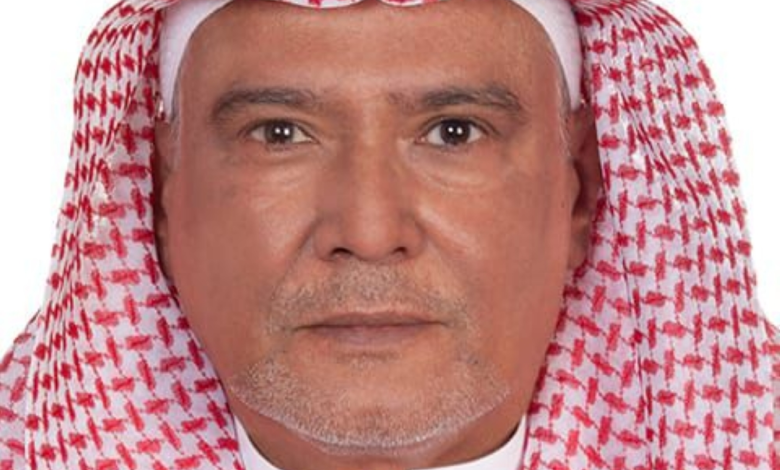
In a remarkable medical development that is reshaping the global healthcare landscape, Dr. Hadeer Mustafa Mir, a consultant in radiation oncology, revealed radical transformations taking place in the medical sector that may soon end the historical era of fear associated with cancer. She emphasized that rapid technological and pharmaceutical advancements have already begun to reclassify many intractable tumors, transforming them from death sentences into chronic illnesses that patients can live with for many years with a high quality of life, just as they live with diabetes or high blood pressure.
The end of the dominance of traditional medicine
The Saudi consultant explained that treatment options are no longer limited to traditional, physically taxing treatments like intensive chemotherapy and radiation, which have long been associated in patients' minds with severe side effects, hair loss, and general weakness. Instead, options have expanded to include "smart weapons" such as immunotherapy, gene therapy, and targeted therapy. These modern techniques are distinguished by their superior ability to precisely target cancer cells without harming surrounding healthy cells, thus reducing side effects to an unprecedented degree and preserving the patient's energy levels.
Historical context and the importance of transformation
These statements gain significant importance when considering the historical context of cancer treatment. For decades, the prevailing approach relied on surgically removing the tumor or bombarding it with high doses of chemotherapy—a strategy that was effective but costly both medically and psychologically. Today, the shift to precision medicine represents a quantum leap, where treatment is tailored to each patient's individual genetic profile. Clinical studies have demonstrated the remarkable success of this methodology in treating breast, lung, colon, and blood cancers, even in cases previously considered complex and hopeless.
Artificial intelligence: A partner in diagnosis
Dr. Mir pointed out that artificial intelligence has become a pivotal player, changing the rules of the medical game through advanced algorithms capable of analyzing X-ray and tissue images with speed and accuracy that sometimes surpasses human capabilities. This technology gives doctors the ability to proactively predict patient responses and choose the most effective treatment protocol, emphasizing that the technology enhances and supports the doctor's decision with precise data, rather than superseding it.
A holistic view of quality of life
The consultant pointed out that the new global trend has moved beyond simply eliminating the tumor biologically, to include a comprehensive strategy that focuses on psychological well-being, nutritional therapy, and pain management. Recent research has demonstrated the possibility of reducing the dosage of traditional treatments to preserve the patient's physical energy without compromising disease eradication effectiveness, thus enhancing the patient's ability to lead a normal life during treatment.
The doctor concluded his speech with a message of reassurance to the community, stressing that the battle against cancer is no longer lost, but has become controllable and victorious, provided that there is a commitment to early detection, which greatly increases recovery rates, and support for scientific research paths that draw new hope every day for thousands of patients around the world.