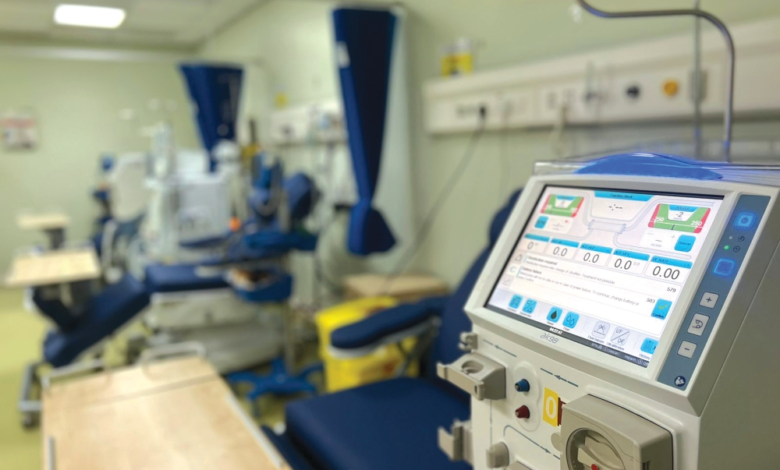

في خطوة استراتيجية تهدف إلى الارتقاء بجودة الخدمات الصحية، طرح المركز السعودي لاعتماد المنشآت الصحية (سباهي)، عبر منصة “استطلاع”، مشروع “المعايير الوطنية لمراكز الغسيل الكلوي”. يهدف هذا المشروع الطموح إلى توحيد الممارسات السريرية وضمان تقديم رعاية صحية آمنة وعالية الجودة لمرضى الفشل الكلوي في جميع أنحاء المملكة، سواء في القطاعين الحكومي أو الخاص.
خلفية وأهمية المبادرة
تأتي هذه المبادرة في سياق الجهود الأوسع التي تبذلها المملكة العربية السعودية ضمن رؤية 2030 لتطوير القطاع الصحي. ومع تزايد أعداد المصابين بأمراض الكلى المزمنة، والتي ترتبط بعوامل مثل انتشار مرض السكري وارتفاع ضغط الدم، أصبح من الضروري وضع إطار تنظيمي موحد يضمن حصول جميع المرضى على نفس المستوى من الرعاية المتميزة. ويسعى المشروع إلى توفير مرجع وطني شامل يحدد الحد الأدنى من المتطلبات الأساسية لتقديم خدمة غسيل كلوي فعالة ومتمحورة حول المريض، مما يقلل من التباين في جودة الخدمات بين المراكز المختلفة.
أبرز ملامح المعايير الجديدة
ألزمت مسودة المعايير المقترحة مراكز الغسيل الكلوي بتطبيق نسب محددة للكوادر التمريضية لضمان الرعاية الكافية، حيث تم تحديد ممرض واحد لكل 3 مرضى بالغين في الغسيل الدموي، وممرض لكل مريضين من الأطفال. وفيما يخص الغسيل البريتوني، تم تحديد ممرض لكل 25 مريضًا بالغًا، وممرض لكل 10 أطفال، مع اشتراط وجود إشراف طبي مباشر من طبيب كلى مؤهل لإدارة كافة الخدمات الطبية المقدمة.
كما شددت المعايير على أهمية المراقبة السريرية الدقيقة، حيث أوجبت إجراء تقييم سريري شامل للمريض قبل بدء كل جلسة غسيل، مع قياس وتوثيق ضغط الدم كل 30 دقيقة طوال فترة الغسيل الدموي لضمان استقرار حالة المريض والتدخل السريع عند الحاجة. ولضمان استمرارية الرعاية، فرضت المعايير على المراكز توفير نظام دعم على مدار 24 ساعة لمرضى الغسيل البريتوني للتعامل مع أي حالات طارئة.
الوقاية من العدوى وإدارة الأدوية
أولت المعايير اهتمامًا خاصًا بمكافحة العدوى، التي تشكل تحديًا كبيرًا في بيئة الغسيل الكلوي. حيث نصت على ضرورة العزل المادي التام للمرضى الحاملين لفيروس التهاب الكبد “ب”، وتخصيص طاقم تمريضي مستقل لهم خلال فترة المناوبة لمنع انتقال العدوى. كما ألزمت المراكز بإجراء فحص شهري لمياه الغسيل الكلوي لضمان خلوها من التلوث البكتيري والسموم الداخلية (الإندوتوكسين)، مع تطبيق برامج تطهير دورية لمحطات معالجة المياه.
وفيما يتعلق بإدارة الأدوية، فرضت التوجيهات ضوابط صارمة تشمل التخلص من القوارير متعددة الجرعات بعد 30 يومًا من فتحها، وتطبيق إجراءات وقائية مشددة للأدوية عالية الخطورة والمتشابهة في الشكل أو النطق لتجنب الأخطاء الدوائية.
التكنولوجيا والتأهب للطوارئ
لم تغفل المعايير أهمية التحول الرقمي، حيث قنّن المشروع استخدام تقنيات الذكاء الاصطناعي والرعاية الرقمية داخل المراكز، مع اشتراط توافقها مع الأنظمة الوطنية لحماية خصوصية بيانات المرضى. كما ألزم المركز السعودي إدارات المراكز بتطوير خطط طوارئ شاملة تتضمن توفير مصادر بديلة للطاقة والمياه، وإجراء تحليلات دورية للمخاطر المحتملة لضمان استمرارية الخدمة في الظروف الطارئة.
تأثير متوقع وشراكة وطنية
يُتوقع أن يكون لهذه المعايير تأثير إيجابي كبير على المستوى الوطني، حيث ستؤدي إلى تحسين النتائج الصحية لمرضى الكلى، وتقليل معدلات الإصابة بالعدوى والمضاعفات، وتعزيز ثقة المرضى في النظام الصحي. كما تضع هذه الخطوة المملكة في مصاف الدول الرائدة إقليميًا في مجال جودة الرعاية الصحية. ويشارك في دعم هذا المشروع 12 جهة وطنية رائدة، من بينها وزارة الصحة، وهيئة الهلال الأحمر السعودي، ومجلس الضمان الصحي، والمجلس الصحي السعودي، مما يعكس حجم الإجماع الوطني على أهمية هذه الخطوة التطويرية التي لا تزال قيد الاستطلاع لتلقي مرئيات المختصين قبل اعتمادها النهائي.