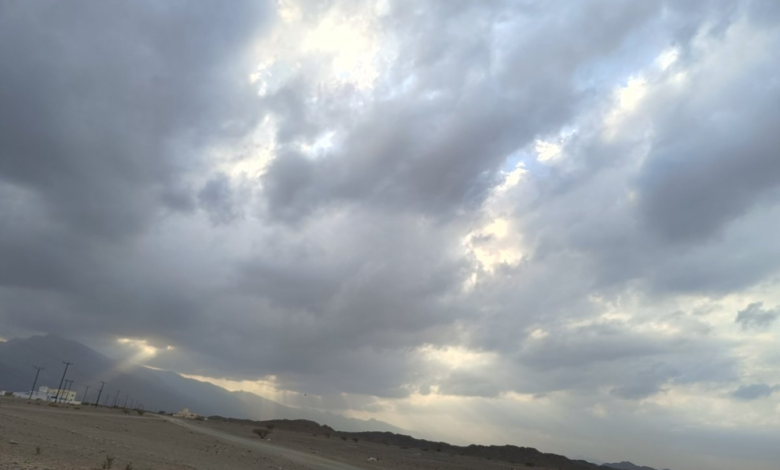

The National Center for Meteorology issued its daily report on weather conditions and maximum temperatures recorded in various regions and governorates of the Kingdom of Saudi Arabia. The data showed a significant variation in temperatures, reflecting the Kingdom's considerable geographical and climatic diversity. Dammam recorded 21 degrees Celsius, while Mecca, Sharurah, and Al-Qunfudhah topped the list of hottest cities, recording 30 degrees Celsius.
Analytical reading of recorded temperatures
Figures released by the center revealed significant temperature differences between the northern, coastal, and southern regions. While areas like Jeddah and Jazan are enjoying warm weather, with temperatures approaching 30 degrees Celsius, the northern regions are experiencing a noticeable drop in temperatures, a common occurrence at this time of year due to the influence of cold air masses.
The following are the most significant maximum temperatures recorded in the report:
- The warmest cities: Mecca (30), Sharurah (30), Al Qunfudhah (30), Jeddah (29), Jazan (29).
- Moderate cities: Medina (24), Riyadh (21), Dammam (21), Taif (22).
- The coldest cities: Tarif (8), Al Qurayyat (10), Arar (10), Al Sawda (14).
Climate diversity in the Kingdom and the importance of weather monitoring
This temperature difference, ranging from 8 degrees Celsius in Tarif to 30 degrees Celsius in Mecca, clearly demonstrates the continental nature and diverse climate of the Kingdom. Northern regions like Tarif, Qurayyat, and Arar are often the first to experience cold waves from the north, which explains why they recorded the lowest temperatures in this report.
In contrast, coastal and Tihama regions maintain relatively mild to warm temperatures due to the influence of bodies of water and their lower elevation. Mountainous areas such as Abha (19°C), Al-Baha (18°C), and As-Soudah (14°C) are characterized by relatively cool weather, even during the day, compared to inland areas.
The importance of following weather reports
These daily reports are of great importance to citizens and residents, as they help in planning daily life, from choosing appropriate clothing to avoid colds, especially for children and the elderly in cold regions, to planning travel on highways that may be affected by weather phenomena associated with temperature changes, such as fog or active winds.
The National Center for Meteorology continues its vital role in using the latest technologies to monitor weather elements, which contributes to raising the level of public safety and supporting vital sectors such as agriculture, tourism and transportation in the Kingdom.