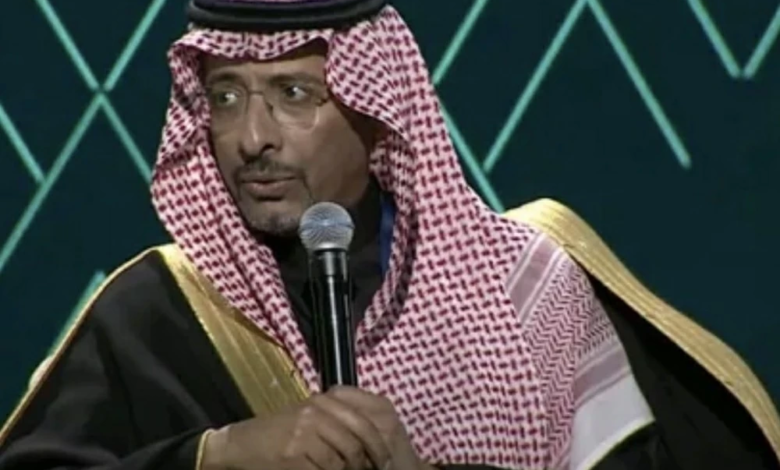

أكد وزير الصناعة والثروة المعدنية السعودي، بندر الخريف، أن تطوير قطاع التعدين الحديث لا يمكن أن يتحقق دون تضافر جهود الحكومات والشركات والمؤسسات العلمية والمالية، مشيراً إلى أن المملكة جعلت التعاون الدولي أحد المحاور الرئيسية في استراتيجيتها لتنمية هذا القطاع الحيوي. جاء ذلك خلال مشاركته في جلسة حوارية ضمن فعاليات منتدى سانت بطرسبرغ الاقتصادي الدولي 2026، والتي سلطت الضوء على أهمية المعادن النادرة والاستراتيجية.
تأتي هذه التصريحات في سياق سعي المملكة الحثيث لتفعيل أحد أهم ركائز رؤية 2030، والمتمثل في تنويع مصادر الدخل الوطني وتقليل الاعتماد على النفط. ويُعد قطاع التعدين “الركيزة الثالثة” للصناعة السعودية إلى جانب النفط والبتروكيماويات، حيث تزخر أراضي المملكة، وخصوصاً في منطقة الدرع العربي، بثروات معدنية هائلة تُقدر قيمتها بتريليونات الدولارات، وتشمل الذهب والنحاس والفوسفات واليورانيوم بالإضافة إلى المعادن النادرة التي تعد عصب الصناعات التكنولوجية المتقدمة.
رؤية استراتيجية لجذب الاستثمارات العالمية
أوضح الخريف أن تنمية صناعة التعدين تتطلب استثمارات طويلة الأجل، وتقنيات متقدمة، وبرامج متخصصة لإعداد الكفاءات الوطنية القادرة على قيادة القطاع نحو المستقبل. وشدد على أن الهدف لا يقتصر على تأمين الوصول إلى الموارد المعدنية الخام، بل يمتد إلى بناء سلاسل إمداد متكاملة ومنظومة صناعية مستدامة تضيف قيمة اقتصادية عالية للمملكة. وفي هذا الإطار، أسست السعودية “منتدى المعادن المستقبلية” ليكون منصة دولية تجمع قادة الصناعة والمستثمرين والخبراء لتعزيز الشراكات ورسم ملامح مستقبل التعدين العالمي.
أهمية التعاون الدولي في تطوير قطاع التعدين
خلال الجلسة التي حملت عنوان “المعادن النادرة والاستراتيجية: السيادة والتعاون الدولي”، والتي شهدت مشاركة النائب الأول لرئيس الوزراء الروسي دينيس مانتوروف ومسؤولين من كازاخستان وسيراليون، تم استعراض آفاق التعاون الصناعي الدولي. وأكد مانتوروف أن المعادن النادرة أصبحت عنصراً حاسماً في التطور التكنولوجي العالمي لدورها في قطاعات الطاقة والإلكترونيات والصناعات الهندسية. وأشار إلى أن روسيا تمتلك قاعدة موارد ضخمة وخبرات علمية وصناعية تؤهلها لبناء سلسلة إنتاج متكاملة، معرباً عن انفتاح بلاده على الحوار والتعاون في الاستثمارات والمشروعات المشتركة.
ويُعد التعاون في مجال المعادن الحرجة أحد المسارات الواعدة في الحوار الصناعي بين السعودية وروسيا، خاصة مع مشاركة المملكة كـ”ضيف شرف” في منتدى سانت بطرسبرغ، مما يفتح آفاقاً إضافية لتعزيز الشراكات التقنية والاستثمارية بين البلدين، ويسهم في تحقيق الاستقرار لسلاسل التوريد العالمية لهذه المواد الحيوية.