
مواصفات جديدة لتعزيز إكرام الموتى والصحة العامة
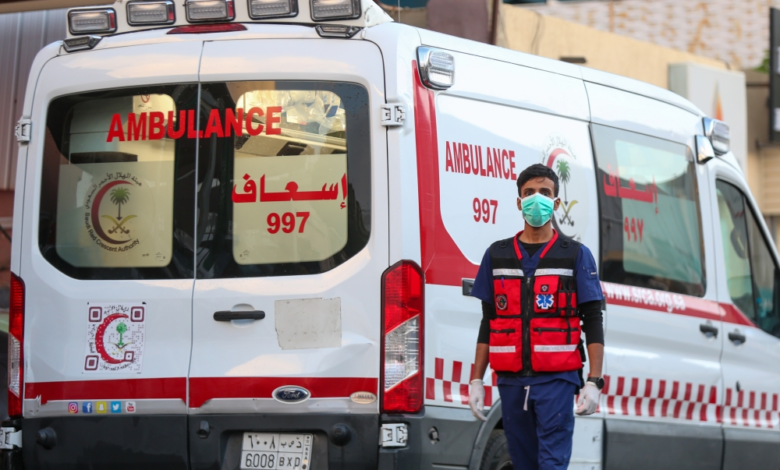
في خطوة تنظيمية هامة تهدف إلى تعزيز الصحة العامة وضمان كرامة المتوفين، طرحت الهيئة السعودية للمواصفات والمقاييس والجودة (SASO) مشروعاً شاملاً يحدد المتطلبات الفنية والصحية لتجهيز مركبات نقل الموتى في المملكة. تأتي هذه الاشتراطات الجديدة في إطار الجهود المستمرة لتطوير الخدمات ورفع معايير السلامة والجودة، بما يتماشى مع القيم الدينية والمجتمعية التي تؤكد على إكرام الميت وسرعة تجهيزه ودفنه.
السياق العام وأهمية التوحيد القياسي
تاريخياً، كانت خدمات نقل الموتى تخضع لاجتهادات فردية أو تنظيمات محلية محدودة، مما أدى إلى تباين كبير في جودة المركبات المستخدمة وتجهيزاتها. وإدراكاً منها لأهمية هذا الجانب الإنساني والصحي، سعت هيئة المواصفات إلى وضع إطار وطني موحد يضمن تطبيق أفضل الممارسات. تتوافق هذه الخطوة مع أهداف رؤية المملكة 2030 التي تركز على تحسين جودة الحياة والارتقاء بمستوى الخدمات المقدمة للمواطنين والمقيمين في كافة المجالات، بما في ذلك الخدمات البلدية واللوجستية الحساسة كنقل الموتى.
تصنيف المركبات حسب طبيعة الاستخدام
صنفت الوثيقة القياسية مركبات نقل الجثمان إلى نموذجين رئيسيين لتلبية الاحتياجات التشغيلية المختلفة، مما يضمن الكفاءة والملائمة لكل حالة:
- النموذج (أ): مخصص للنقل داخل النطاق العمراني للمدن والمسافات القصيرة. يشترط تزويد هذه المركبات بنظام تكييف فعال يحافظ على درجة حرارة داخلية تتراوح بين 20 و 25 درجة مئوية، حتى في الظروف الخارجية التي تصل حرارتها إلى 48 درجة مئوية.
- النموذج (ب): معدّ للرحلات الطويلة بين المدن. يتطلب هذا النموذج تجهيزات أكثر تقدماً، تشمل نظام تبريد عالي الكفاءة يحافظ على درجة حرارة ثابتة بين 0 و 4 درجات مئوية، لضمان حفظ الجثمان في ظروف مثالية خلال النقل لمسافات طويلة.
أبرز الاشتراطات الفنية والصحية
شددت مسودة المواصفات على مجموعة من المعايير الدقيقة لضمان السلامة والنظافة والعزل، ومن أبرزها:
- المواد والتشطيبات الداخلية: منع استخدام المواد صعبة التنظيف كالأقمشة، وإلزامية استخدام أسطح ملساء وغير مسامية ومقاومة للمطهرات الكيميائية الشائعة، مثل الفولاذ المقاوم للصدأ أو الإيبوكسي، لتسهيل عمليات التطهير ومنع تكون البكتيريا.
- الأرضيات والعزل: يجب أن تكون أرضية مقصورة الموتى قطعة واحدة خالية من الفواصل، مع حواف مرتفعة لا تقل عن 75 ملم لمنع تسرب أي سوائل. كما يجب توفير نظام تصريف آمن ومحكم، وعزل المقصورة بالكامل لمنع تسرب الغبار أو المياه أو الروائح.
- الهيكل والتثبيت: يُصنع الهيكل الحامل للجثمان من الفولاذ المقاوم للصدأ، ويُثبت بإحكام في أرضية المركبة لضمان عدم اهتزازه. كما يجب تزويده بأحزمة تثبيت قوية لمقاومة قوى التسارع والتباطؤ المفاجئ.
- السلامة والأمان: تضمنت المتطلبات توفير إضاءة كافية داخل وخارج المقصورة، وتجهيز المركبة بطفاية حريق وحقيبة إسعافات أولية، بالإضافة إلى وجود حاجز متين يفصل بين كابينة السائق ومقصورة الموتى.
التأثير المتوقع على القطاع والمجتمع
من المتوقع أن تُحدث هذه المعايير الجديدة نقلة نوعية في خدمات نقل الموتى بالمملكة. على الصعيد المحلي، ستضمن توحيد مستوى الخدمة المقدمة من قبل البلديات والجمعيات الخيرية والشركات الخاصة، مما يمنح أهالي المتوفين الطمأنينة بأن أحباءهم يُنقلون بطريقة تليق بكرامتهم الإنسانية وتحافظ على الصحة العامة. أما على الصعيد الإقليمي، فقد تشكل هذه المواصفات السعودية نموذجاً يُحتذى به في دول المنطقة لرفع معايير هذا القطاع الحيوي والإنساني.