Iran protests: Internet blackout and calls for escalation from the Shah's son

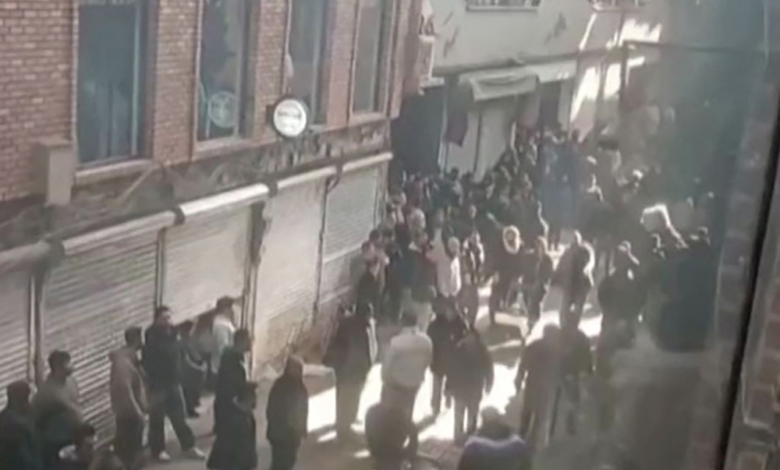
Technical and human rights reports confirm the continued digital paralysis in Iran. NetBlocks, a non-governmental organization specializing in monitoring cybersecurity and internet governance, reported that the Iranian authorities' strict internet restrictions remain in effect. This comes amid escalating popular protests in the country.
Digital isolation and power tactics
In a statement released via the “X” platform, the organization explained that network data shows a near-total internet blackout that has persisted for over 36 hours, effectively isolating citizens from the outside world. This severely limits Iranians' ability to communicate, check on the well-being of their loved ones, or document and report on events unfolding in the streets.
Historically, Iranian authorities have resorted to a strategy of “cutting off the internet” or drastically reducing bandwidth during periods of major civil unrest, as happened in the 2019 and 2022 protests. This policy aims to prevent the organization of demonstrations via social media and limit access to information and images for international media, thus imposing a media blackout that facilitates security control.
A call for escalation and field control
In a significant development on the political scene, Reza Pahlavi, the son of the deposed Shah of Iran and a resident of the United States, explicitly called on protesters to escalate their demands and actions. On the fourteenth day of the protests, which erupted primarily due to deteriorating living conditions and the economy, Pahlavi urged the protesters to move from the stage of demonstrating to the stage of "taking control.".
Pahlavi stated in a post, “Our goal is no longer just to control the streets; the goal is to prepare to seize and control city centers.” He urged Iranians to increase their presence in the streets and squares, confidently indicating that he is preparing to return to his homeland at a time he believes is “very soon,” reflecting the desire of the opposition abroad to capitalize on the current momentum to bring about radical political change.
Economic context and regional importance
These protests cannot be separated from the suffocating economic context in Iran. With ongoing international sanctions, a plummeting currency, and soaring inflation, Iranian citizens face immense pressure on their livelihoods, which served as the initial spark for this wave of anger. These events are of paramount importance both regionally and internationally, as Western capitals and neighboring countries closely monitor the unfolding events, given Tehran's pivotal role in Middle Eastern affairs.
Calls to seize control of city centers represent a qualitative shift in the opposition's rhetoric, which may lead to more intense confrontations with security forces, thus placing the country before open scenarios ranging from severe security repression to the expansion of civil disobedience.