The Kingdom participates in the 14th Ministerial Conference of the World Trade Organization

The Kingdom's participation in the World Trade Organization's Ministerial Conference begins
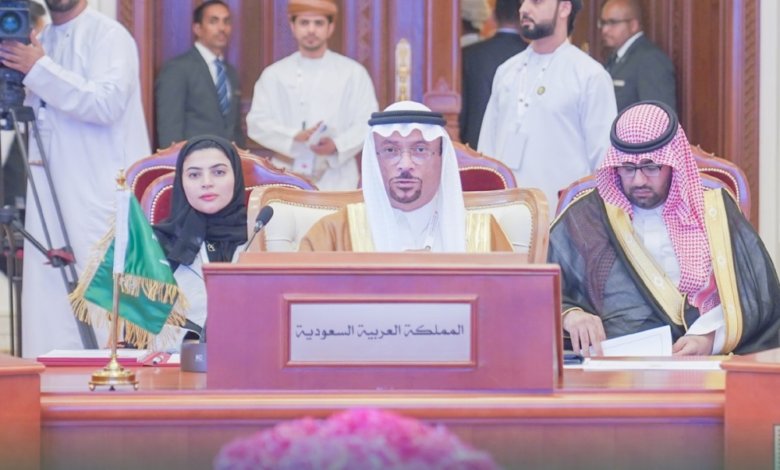
The 14th Ministerial Conference of the World Trade Organization (MC14) begins today in Yaoundé, Cameroon, and will run from March 26 to 29. The Kingdom of Saudi Arabia is participating with a high-level official delegation headed by Mr. Farid bin Saeed Al-Asali, Deputy Governor of the General Authority for Foreign Trade for International Agreements and Organizations, representing His Excellency Dr. Majid bin Abdullah Al-Qasabi, Minister of Commerce and Chairman of the Authority's Board of Directors. This participation underscores the Kingdom's firm commitment to supporting the multilateral trading system and strengthening international economic cooperation.
Historical context: The Kingdom's accession and its impact on the national economy
Saudi Arabia’s accession to the World Trade Organization (WTO) in late 2005 marked a significant milestone in its economic development. This strategic membership opened new global markets for Saudi products, attracted foreign direct investment, and further integrated the Saudi economy into global supply chains. Today, the WTO’s objectives align closely with the goals of Saudi Vision 2030, which is actively working to diversify national income sources and reduce dependence on oil by boosting non-oil exports and developing an attractive and internationally competitive investment environment.
Conference agenda: Structural reforms and contemporary economic challenges
The 14th edition of the conference aims to discuss fundamental and pivotal issues that will shape the future of international trade. Among the most prominent topics on the agenda is the reform of the World Trade Organization (WTO), a pressing international demand to ensure the organization's ability to keep pace with rapid economic changes and resolve trade disputes effectively and transparently. The agenda also includes discussions on development issues specific to least developed countries, the e-commerce work program, which has become the backbone of the modern digital economy, and the integration of the Investment Facilitation for Development and E-Commerce agreements into the WTO's legal and regulatory framework.
The Kingdom's leading role in coordinating Arab efforts and positions
Regionally, the Kingdom plays a pivotal and leading role that extends beyond simply representing its own interests. As part of its proactive preparations for this global event, the Kingdom hosted the preparatory ministerial meeting of Arab trade ministers this month. This effort culminates its prominent role as coordinator of the Arab Group at the World Trade Organization for eight consecutive terms since 2011. This high-level coordination aims to unify the negotiating positions of Arab states, define their common demands, enhance their influence and weight in international decisions, and ensure balanced outcomes that reflect their interests and development priorities.
Food security and empowerment of developing countries
The Arab trade ministers' statement emphasized the need for Arab states to play an active and constructive role in the ministerial conference. Particular emphasis was placed on the paramount importance of ensuring unimpeded access to food and essential agricultural inputs worldwide, especially in light of successive global crises. The group called for stricter controls on export bans and unjustified trade barriers that threaten global food security, while stressing the importance of enabling developing and least developed countries to increase their share of global trade to achieve sustainable and inclusive development.
Economic impact and volume of Saudi trade
The importance of the Kingdom's participation in this international event is reflected in the figures and statistics that highlight the size of its economy and its direct impact. The volume of trade between Saudi Arabia and the member states of the World Trade Organization approximately US$537 billion. In a strong indicator of the growth of Saudi exports and their high competitiveness, the value of the Kingdom's exports reached nearly US$305 billion in 2024. These substantial figures confirm beyond any doubt that the Kingdom is not merely a participating member, but a fundamental pillar and strategic partner in the stability and growth of global trade.