
المملكة تؤكد التزامها بتسخير الذكاء الاصطناعي لضمان بيئة عمل عادلة ومستدامة
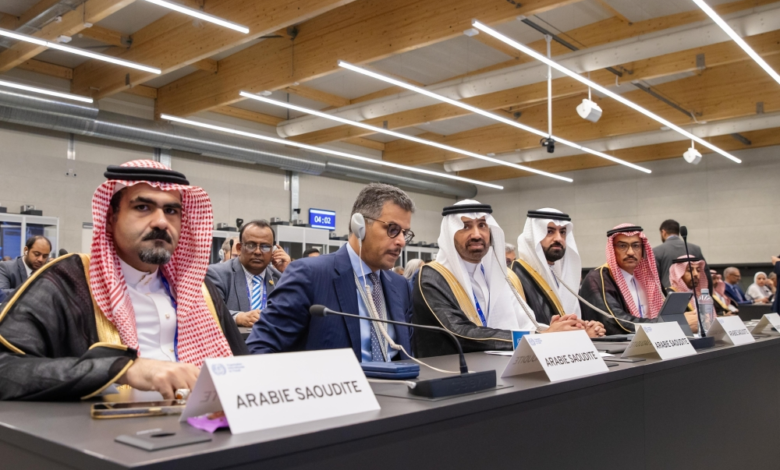
أكد معالي وزير الموارد البشرية والتنمية الاجتماعية، المهندس أحمد بن سليمان الراجحي، على الدور المحوري الذي تلعبه التقنيات الحديثة والذكاء الاصطناعي في تعزيز منظومة حماية حقوق العمال في المملكة العربية السعودية. جاء ذلك خلال كلمته أمام الجلسة العامة لمؤتمر العمل الدولي في دورته الـ 112 المنعقدة في مدينة جنيف السويسرية، حيث ترأس معاليه وفد المملكة الثلاثي المكون من ممثلي الحكومة وأصحاب العمل والعمال، مؤكداً على نهج المملكة الاستباقي في تبني الابتكار لتشكيل مستقبل عمل أكثر شمولية وإنتاجية واستدامة.
منصة عالمية لرسم مستقبل العمل
يُعد مؤتمر العمل الدولي، الذي تنظمه منظمة العمل الدولية سنوياً، بمثابة برلمان عالمي للعمل يجمع الأطراف الثلاثة من 187 دولة عضواً لمناقشة التحديات والفرص في أسواق العمل العالمية ووضع المعايير الدولية. وتأتي مشاركة المملكة الفاعلة في هذا المحفل الدولي لتعكس التزامها بالإسهام في الحوار العالمي حول سياسات العمل، ومشاركة تجربتها الرائدة في الإصلاحات العمالية التي تتماشى مع أهداف رؤية 2030. إن هذه المشاركة لا تقتصر على استعراض الإنجازات فحسب، بل تهدف أيضاً إلى تبادل الخبرات وبناء شراكات دولية لضمان أن يواكب التحول التقني تحقيق العمل اللائق للجميع.
رؤية 2030 ونهج استباقي في حماية حقوق العمال
سلط الوزير الراجحي الضوء على أن جهود المملكة في توظيف التكنولوجيا ليست وليدة اللحظة، بل هي جزء لا يتجزأ من استراتيجية سوق العمل المنبثقة عن رؤية 2030. وأشار إلى أن مستقبل العمل لن تحدده التقنية وحدها، بل القدرة على الاستثمار في الإنسان وتطوير المهارات وتعزيز الحماية. وفي هذا السياق، استعرض معاليه عدداً من المبادرات السعودية المبتكرة، مثل “المنصة الوطنية للمهارات” التي تستخدم الذكاء الاصطناعي لدعم سجلات المهارات وتصميم مسارات تعلم مخصصة، بالإضافة إلى تطوير “التصنيف السعودي للمهارات والمهن” لمواكبة تحولات سوق العمل وضمان مواءمة المهارات مع الوظائف المستقبلية.
الذكاء الاصطناعي لتعزيز الامتثال والشفافية
أوضح الراجحي أن المملكة تستخدم التقنيات المتقدمة لتعزيز الامتثال وحماية الأجور، حيث تساهم الأدوات الرقمية والتحليلات التنبؤية في رفع كفاءة عمليات التفتيش ورصد الممارسات المخالفة في مراحل مبكرة. وتُعد منصة “قوى” مثالاً حياً على هذا التحول، حيث وظفت الذكاء الاصطناعي التوليدي ووكلاء الذكاء الاصطناعي لخدمة أكثر من مليوني منشأة و12 مليون عامل في القطاع الخاص، مما يعزز الشفافية في العلاقة التعاقدية ويسهل الوصول إلى الخدمات. كما يواصل “برنامج حماية الأجور” دوره في ضمان استلام العمال لأجورهم في الوقت المحدد، معززاً بذلك الاستقرار والأمان الوظيفي في السوق.