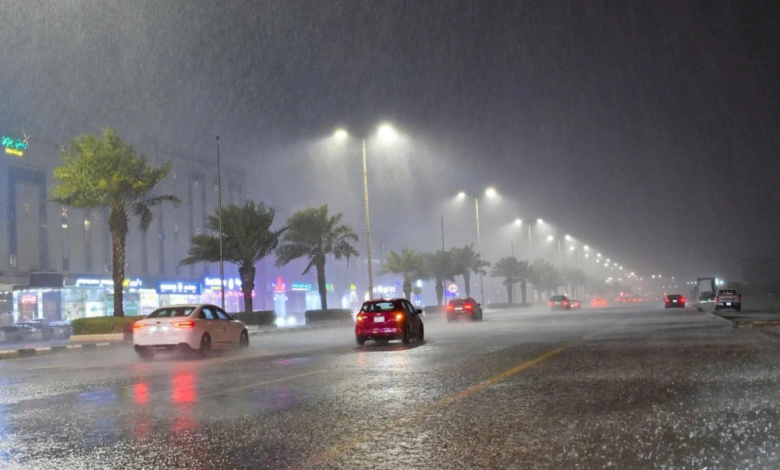

مقدمة عن الحالة المطرية في المملكة
تشهد المملكة العربية السعودية تقلبات جوية موسمية تجلب معها بشائر الخير والبركة، حيث سجلت مؤخراً هطول أمطار متفرقة شملت 12 منطقة مختلفة. وتكتسب هذه الأمطار أهمية كبرى بالنظر إلى الطبيعة الجغرافية والمناخية الصحراوية للمملكة، حيث تساهم بشكل مباشر في تغذية الخزانات المياه الجوفية، ودعم القطاع الزراعي، بالإضافة إلى تنشيط السياحة الداخلية في المناطق الجبلية والبرية التي تكتسي باللون الأخضر عقب مواسم الأمطار.
ووفقاً للتقرير اليومي الصادر عن وزارة البيئة والمياه والزراعة، والذي يعتمد على قراءات دقيقة من 269 محطة رصد هيدرولوجي ومناخي، فقد تم توثيق كميات هطول الأمطار خلال 24 ساعة في مناطق: الرياض، مكة المكرمة، المدينة المنورة، الشرقية، القصيم، عسير، تبوك، حائل، الحدود الشمالية، نجران، الباحة، والجوف.
مكة المكرمة تتصدر المشهد المطري
تصدرت منطقة مكة المكرمة القائمة بأعلى معدلات هطول الأمطار، حيث بلغت 54.8 ملم في بني سعد بمحافظة ميسان. وتعتبر هذه المرتفعات من أهم المناطق الزراعية والسياحية التي تعتمد على مياه الأمطار. كما سجلت القريع بني مالك بميسان 33.4 ملم، تلتها قيا بالطائف بـ 15.3 ملم، وحداد بني مالك بـ 15.0 ملم. وشملت الأمطار أيضاً الصور بالطائف (11.3 ملم)، وأبو مروة بالخرمة (11.2 ملم)، وميسان (10.5 ملم)، والغريف بالخرمة (9.2 ملم)، وطريق الهدا الدائري (8.2 ملم)، بالإضافة إلى متنزه الهدا، وغميقة بالليث بـ 6.0 ملم.
تأثير الأمطار على المرتفعات الجنوبية والغربية
تتميز المرتفعات الجنوبية والغربية من المملكة بكثافة الغطاء النباتي والمدرجات الزراعية التي تعتمد بشكل كبير على مياه الأمطار. وفي هذا السياق، أوضح التقرير أن منطقة الباحة سجلت 35.2 ملم في برحرح بالمندق، و15.9 ملم في حي النزهة، و6.5 ملم في مطار الملك سعود بالعقيق. كما سجل سد العقيق 5.8 ملم، ووادي خيطان ببلجرشي 5.2 ملم، وغليلة بقلوة 3.7 ملم.
أما في منطقة عسير، التي تعد وجهة سياحية بارزة بفضل طقسها المعتدل، فقد بلغت كمية الأمطار 35.0 ملم في الفوهة ببلقرن، و29.5 ملم في طريق الملك فيصل بالنماص، و22.6 ملم في عفراء ببلقرن، إلى جانب 17.2 ملم في تبالة ببيشة وحي الشفاء بسراة عبيدة، و12.8 ملم في شعار بأبها وآل خلف بسراة عبيدة.
نصيب المناطق الوسطى والشرقية من الغيث
لم تقتصر الحالة المطرية على المرتفعات، بل امتدت لتشمل وسط وشرق البلاد، مما يبشر بموسم ربيعي مزدهر. في المنطقة الشرقية، سجلت الخفجي 32.9 ملم، والسعيرة بحفر الباطن 32.7 ملم، وطريق عمر بن الخطاب بالسعيرة 31.9 ملم، وأم الشفلح بقرية العليا 27.2 ملم، والبطحاء بالعديد 13.2 ملم. وفي منطقة القصيم، المعروفة بإنتاجها الزراعي الوفير، سجلت محافظة المذنب 25.5 ملم، ورياض الخبراء 16.0 ملم، ومحطة التجارب بعنيزة وحي العليا بالأسياح 15.8 ملم، ومطار الأمير نايف 14.3 ملم.
وفي العاصمة ومحيطها، سجلت منطقة الرياض 23.5 ملم في شقراء، و20.4 ملم في الجبيلة بالدرعية، و20.0 ملم في الحُريّق بشقراء، و17.5 ملم في مزارع خروب بشقراء، و14.4 ملم في خشم ذويبان بالمزاحمية، مما يساهم في تلطيف الأجواء وغسيل الأتربة العالقة.
الحالة المطرية في شمال المملكة والمناطق الأخرى
شمالاً، حيث تعتبر الأمطار ضرورية لنمو المراعي الطبيعية، سجلت منطقة تبوك 7.8 ملم في رحيب، و6.4 ملم في الفارعة بالوجه، و5.2 ملم في مطار البحر الأحمر الدولي. وفي الحدود الشمالية، سجل مطار عرعر 5.5 ملم. كما شهدت منطقة الجوف هطول 4.6 ملم في ميقوع بطبرجل. وفي حائل، سجلت الشملي 2.4 ملم، بينما سجلت منطقة نجران جنوباً 0.9 ملم في بدر الجنوب.
وفي منطقة المدينة المنورة، سجل وادي الفرع 10.8 ملم، وأبو ضباع 10.0 ملم، والفقرة 9.2 ملم، مما يعزز من الموارد المائية في هذه المناطق التاريخية والزراعية.
جهود الرصد والمتابعة المستمرة
تلعب وزارة البيئة والمياه والزراعة، بالتعاون مع المركز الوطني للأرصاد، دوراً حيوياً في رصد هذه الكميات وتحليلها لضمان الإدارة المثلى للموارد المائية وتوجيهها نحو السدود. وللاطلاع على المزيد من التفاصيل حول كميات الأمطار الهاطلة في جميع مناطق المملكة، يمكن الرجوع إلى التقرير الرسمي من هنا.