
The Kingdom of Saudi Arabia expressed its firm and unwavering support for the Federal Republic of Somalia, reiterating its categorical rejection of any attempts to establish parallel entities or undermine the sovereignty and territorial integrity of the Somali state. This stance is consistent with the Kingdom's foreign policy, which is based on respect for international legitimacy and support for internationally recognized central governments in confronting internal and external challenges.
Context of tensions in the Horn of Africa
The Saudi statement comes at a time of complex political and security tensions in the Horn of Africa. Somalia faces ongoing challenges to maintaining its territorial integrity amid moves by some regions to unilaterally make sovereign decisions, which the federal government in Mogadishu considers a violation of the constitution and international law. Saudi Arabia views these moves with concern, believing that any encroachment on the federal government's authority threatens regional stability and opens the door to foreign interventions that could fuel conflicts in the region.
The strategic importance of stability in Somalia
Saudi Arabia's interest in Somalia is not arbitrary, but rather based on significant geopolitical and strategic realities. Somalia overlooks vital waterways, most notably the Gulf of Aden and the Indian Ocean, making its stability an integral part of the security of the Red Sea, a crucial artery for global trade and for the security of Saudi Arabia. Any chaos or political division in Somalia could lead to the emergence of hotspots that threaten international navigation and allow extremist groups to flourish, something Riyadh seeks to prevent by supporting a unified national state.
Historical relations and the Saudi role
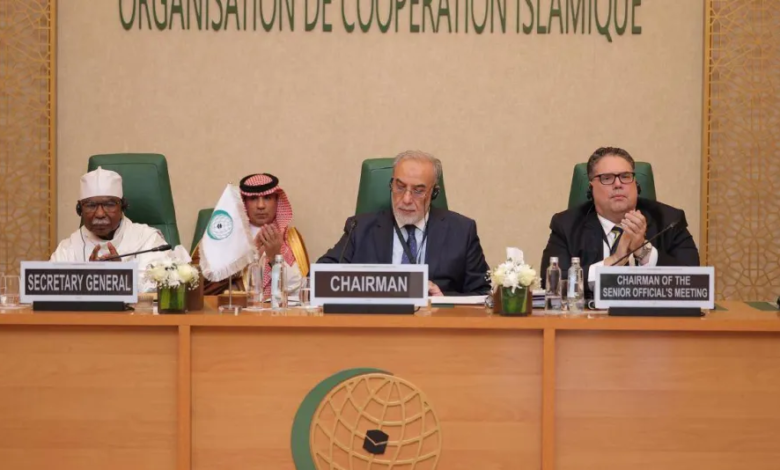
Historically, the Kingdom of Saudi Arabia has consistently stood by Somalia in various international forums, whether through the Arab League or the Organization of Islamic Cooperation. Riyadh has provided substantial political, economic, and humanitarian support to Mogadishu to help it overcome decades of civil war and instability. This latest stance reaffirms the Kingdom's commitment to the principles of good neighborliness and non-interference in the internal affairs of states, while emphasizing the necessity for international engagement with Somalia to be conducted solely through official channels, namely the Federal Government.
In conclusion, the Kingdom called on the international community and regional parties to respect the sovereignty of Somalia and to work to strengthen state institutions rather than weaken them, stressing that security and stability in East Africa requires collective cooperation that respects internationally recognized borders and preserves the resources of the people.