
Introduction to the Kingdom's role in air navigation
Amid the regional and global challenges facing the aviation sector, the Kingdom of Saudi Arabia stands out as a cornerstone for ensuring the continuity of air traffic in the region. Through its airport and modern infrastructure, the Kingdom strives to provide the necessary logistical and navigational support to international and regional airlines, guaranteeing uninterrupted supply chains and passenger flow. This approach reflects the Kingdom's commitment to enhancing the stability of air navigation and providing safe and efficient corridors connecting East and West.
General context and development of the aviation sector in Saudi Arabia
Historically, Saudi Arabia has recognized the strategic importance of its unique geographic location, connecting three major continents: Asia, Africa, and Europe. With the launch of Saudi Vision 2030, the civil aviation sector has undergone unprecedented and radical transformations. The Kingdom launched its National Aviation Strategy, which aims to double its passenger capacity to 330 million passengers annually and connect the Kingdom to more than 250 global destinations by 2030.
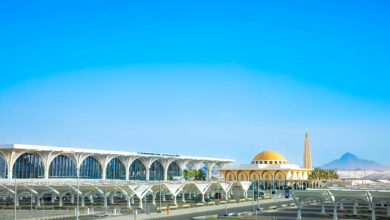
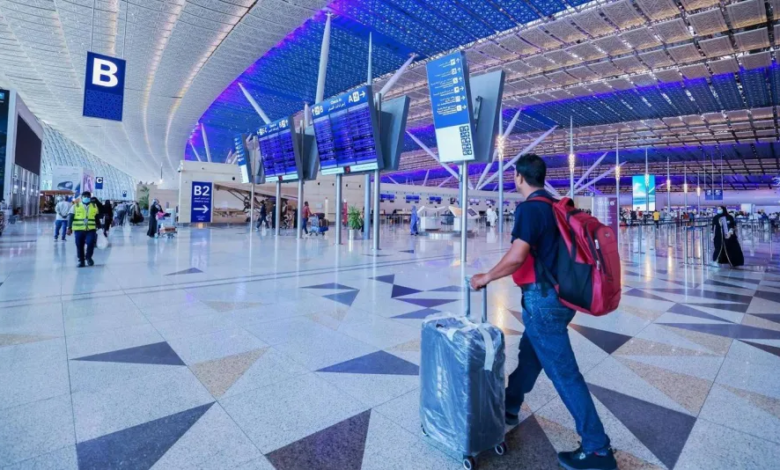
To achieve these ambitious goals, the government has invested heavily in expanding and developing major airports, such as King Abdulaziz International Airport in Jeddah and King Khalid International Airport in Riyadh, in addition to announcing the master plan for King Salman International Airport, which will be one of the largest airports in the world. These developments were not merely a response to domestic growth, but a proactive step to position Saudi airports as international transit hubs capable of handling any shifts or crises that might affect air traffic in the region.
The importance of supporting air traffic and its expected impact
Local impact
Domestically, maintaining the continuity of air traffic contributes to strengthening the national economy, creating thousands of direct and indirect jobs, and supporting related sectors such as tourism, hospitality, and logistics. It also facilitates the movement of Umrah and Hajj pilgrims, a key objective of Vision 2030, which aims to host 30 million Umrah pilgrims annually.
Regional impact
Regionally, the readiness of the Kingdom's airports plays a crucial role during times of crisis or airspace closures in some neighboring countries. Saudi Arabia provides safe and alternative routes for airlines, minimizing economic losses for the regional aviation sector and ensuring the continued flow of goods and people. This proactive role reinforces Saudi Arabia's position as a regional leader and a safety net for air navigation in the Middle East.
International influence
Internationally, this trend reinforces the confidence of the international community and global airlines in Saudi Arabia's infrastructure. When the Kingdom demonstrates its ability to manage air traffic efficiently under various conditions, it attracts more foreign direct investment and encourages major international airlines to use Saudi airports as regional hubs and key transit points.
The role of the General Authority of Civil Aviation
This success cannot be discussed without acknowledging the pivotal role played by the General Authority of Civil Aviation in the Kingdom. The Authority continuously updates its regulations and legislation to comply with the highest standards set by the International Civil Aviation Organization (ICAO). By implementing the latest air navigation and air traffic management technologies, the Authority ensures smooth flight operations and minimizes waiting times, while maintaining the highest levels of safety and security for passengers and aircraft.
Summary
In conclusion, the support provided by the Kingdom of Saudi Arabia to ensure the continuity of air traffic in the region through its airports is not merely a temporary measure, but rather part of a comprehensive national strategy aimed at solidifying the Kingdom's position as a global logistics hub. Through continuous investment in infrastructure and a commitment to the highest safety standards, Saudi Arabia proves time and again that it is a reliable partner for the international community in maintaining the stability and growth of the global aviation sector.