Saudi Arabia at the United Nations: A strategic vision to promote sustainable development

The Kingdom of Saudi Arabia, represented by its Permanent Mission to the United Nations, affirmed the pivotal role of the international development system in supporting the national plans of member states, stressing the need for concerted global efforts to accelerate the achievement of the Sustainable Development Goals. This came within the framework of the Kingdom's strategic vision, which links humanitarian and development work to ensure a more stable and prosperous future for all peoples.
A Saudi vision for reforming the international labor system
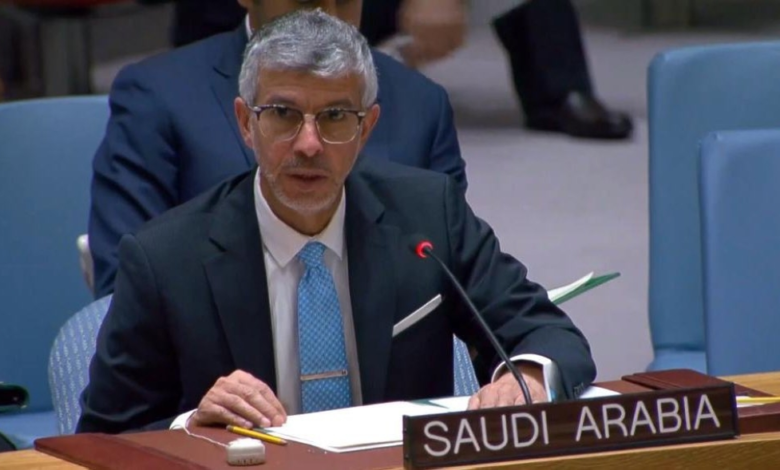
In a speech delivered by the Permanent Representative of the Kingdom of Saudi Arabia to the United Nations, Ambassador Dr. Abdulaziz bin Mohammed Al-Wasil, during the meeting of the Executive Board of the United Nations Development Programme (UNDP), the United Nations Population Fund (UNFPA), and the United Nations Office for Project Services (UNOPS), the importance of enhancing the effectiveness of development work to have a tangible and measurable impact on the ground was highlighted.
Ambassador Al-Wasel stressed that institutional reforms within the corridors of the international organization must be gradual and balanced, and be led by member states to ensure that actual needs are met, with strict adherence to the principles of transparency and assessment of the potential impacts, costs and risks of any structural changes.
Strategic context: Alignment with Vision 2030
This Saudi initiative stems from the Kingdom's unwavering commitment to the sustainable development agenda, clearly reflected in its Vision 2030. The Kingdom has not only implemented sustainability standards domestically but also seeks to share its experience and expertise with the international community. Saudi Arabia is a leading nation in supporting development efforts, believing that genuine development is the first line of defense against instability and humanitarian crises.
This position reflects the Kingdom’s foreign policy, which places human and economic development as a top priority, stressing that achieving the 17 Sustainable Development Goals requires aligning the United Nations country programs with the national priorities of each country, to ensure that resources are not wasted and are directed towards the sectors most in need.
Innovative financing tools and international partnerships
In the context of practical solutions, Ambassador Al-Wasel called for the development of development finance tools, including the serious adoption of “innovative finance” mechanisms and the strengthening of effective public-private partnerships. He pointed out that relying on traditional financing methods is no longer sufficient to address the growing global challenges.

Strengthening South-South cooperation and digital transformation
The Kingdom reaffirmed its full support for the concept of “South-South Cooperation” and triangular cooperation, considering them a fundamental pillar for exchanging expertise and building capacity among developing countries. Al-Wasil also emphasized the need to maximize the benefits of digital transformation and modern technologies to enhance the efficiency of development processes and reduce operational costs.
This trend is of great importance at both the regional and international levels, as it contributes to enabling developing countries to possess the tools of technological development, which enhances their economic independence and reduces the digital divide between the North and the South.
The ambassador concluded his remarks by affirming the Kingdom's continued constructive cooperation with international partners to promote good governance, achieve sustainable development impact, and support all efforts aimed at consolidating stability, prosperity, and inclusive development worldwide. The meeting was held at the United Nations headquarters in New York City and was attended by a wide range of representatives from member states and senior officials from UN organizations.