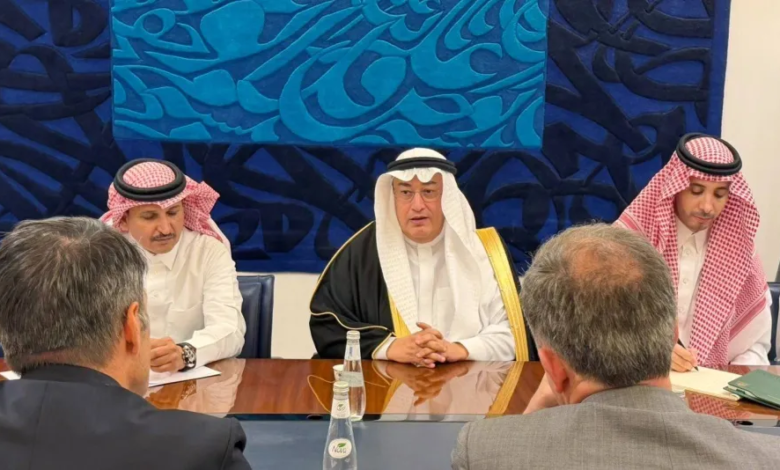

في خضم التوترات المتصاعدة التي تشهدها منطقة الشرق الأوسط، جددت المملكة العربية السعودية تأكيدها على موقفها المبدئي والثابت، الداعي إلى ضرورة تجنب التصعيد واللجوء إلى الحوار والدبلوماسية كسبيل وحيد لحل النزاعات. ويأتي هذا الموقف في أعقاب التطورات الأخيرة التي شهدت مواجهة مباشرة غير مسبوقة بين إيران وإسرائيل، مما وضع المنطقة على حافة حرب إقليمية واسعة النطاق قد تكون عواقبها وخيمة على الأمن والسلم الدوليين.
خلفية تاريخية ودوافع استراتيجية
لم يكن الموقف السعودي وليد اللحظة، بل هو امتداد لسياسة خارجية راسخة تتبناها المملكة منذ عقود، وتقوم على مبدأ تعزيز الاستقرار الإقليمي وتغليب لغة الحوار. تاريخياً، لعبت السعودية أدواراً دبلوماسية هامة في نزاعات إقليمية معقدة، مثل دورها في التوصل إلى اتفاق الطائف الذي أنهى الحرب الأهلية اللبنانية، وجهودها المستمرة في دعم الحلول السلمية في اليمن والسودان. ويرتبط هذا النهج الدبلوماسي اليوم ارتباطاً وثيقاً بـرؤية السعودية 2030، المشروع التنموي الطموح الذي يتطلب بيئة إقليمية آمنة ومستقرة لجذب الاستثمارات الأجنبية وتحقيق أهدافه الاقتصادية والاجتماعية العملاقة، حيث إن أي اضطراب أمني كبير من شأنه أن يعرقل هذه المسيرة التنموية.
أهمية الموقف السعودي وتأثيره المتوقع
تكتسب الدعوة السعودية لضبط النفس أهمية بالغة نظراً لثقل المملكة السياسي والاقتصادي على الساحتين الإقليمية والدولية. فعلى الصعيد الإقليمي، يهدف الموقف السعودي إلى منع انزلاق المنطقة إلى فوضى شاملة، قد تستغلها جماعات متطرفة لتعزيز نفوذها، وتؤدي إلى موجات جديدة من اللاجئين وعدم الاستقرار. كما أن أي حرب واسعة ستؤثر حتماً على أمن الممرات المائية الحيوية، مثل مضيق هرمز وباب المندب، مما يهدد إمدادات الطاقة العالمية.
أما على الصعيد الدولي، فإن موقف المملكة ينسجم مع مواقف القوى الكبرى التي تسعى أيضاً إلى احتواء الأزمة. فاستقرار الشرق الأوسط يعد ضرورة حيوية للاقتصاد العالمي، وأي تصعيد عسكري كبير سيؤدي إلى ارتفاع هائل في أسعار النفط، ويزيد من معدلات التضخم عالمياً، ويؤثر سلباً على سلاسل الإمداد. من هنا، تعمل الدبلوماسية السعودية كصوت للعقل والاتزان، محاولة بناء جسور من التواصل بين الأطراف المتنازعة وتشجيع الجهود الدولية الرامية إلى التهدئة وإيجاد حلول مستدامة.
في الختام، يعكس التمسك السعودي بخيار الدبلوماسية وتجنب التصعيد رؤية استراتيجية بعيدة المدى، تدرك أن أمن المملكة وازدهارها مرتبطان ارتباطاً وثيقاً بأمن واستقرار جيرانها والمنطقة بأكملها. إنها رسالة واضحة بأن لغة الحوار، مهما كانت صعبة، تظل الخيار الأفضل والأكثر حكمة من دوي المدافع الذي لا يجلب سوى الدمار والمعاناة للشعوب.