
السياق العام لسوق السيارات في المملكة العربية السعودية
يُعد سوق السيارات في المملكة العربية السعودية واحداً من أكبر الأسواق وأكثرها ديناميكية في منطقة الشرق الأوسط وشمال أفريقيا. ومع التطور الاقتصادي المتسارع الذي تشهده المملكة في ظل رؤية 2030، يتزايد الطلب بشكل ملحوظ على مختلف أنواع المركبات، سواء للاستخدام الشخصي أو التجاري أو لدعم مشاريع البنية التحتية العملاقة. وفي هذا السياق، تلعب الجهات التنظيمية مثل هيئة المواصفات والمقاييس دوراً حاسماً في ضمان جودة وسلامة هذه المركبات قبل دخولها إلى السوق المحلي.
إحصائيات استيراد المركبات الحديثة
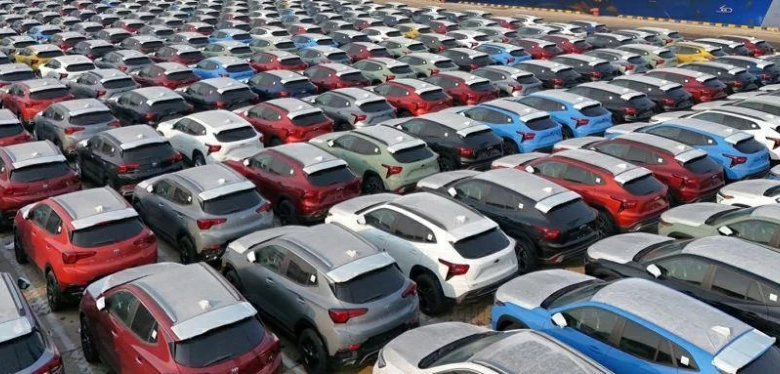
كشف تقرير حديث صادر عن الهيئة السعودية للمواصفات والمقاييس والجودة عن أرقام ضخمة تعكس حجم النشاط الاقتصادي والتجاري في قطاع السيارات. فقد بلغ إجمالي المركبات والسيارات التي تقدمت الشركات بطلب استيرادها من خارج المملكة، تحت مظلة خدمة «فحص مركبة مستوردة»، نحو 227,951 مركبة. وقد تم تسجيل هذا الرقم خلال فترة زمنية قصيرة نسبياً امتدت من 2 يناير وحتى 20 مايو، أي خلال 139 يوماً فقط، مما يعني أن الهيئة كانت تستقبل في المتوسط حوالي 1,640 طلب استيراد يومياً.
الموديلات والعلامات التجارية الأكثر طلباً
أظهرت الإحصائيات تفضيلاً واضحاً للموديلات الحديثة، حيث استحوذت المركبات المصنعة لموديل عام 2025 على النصيب الأكبر بإجمالي 56,051 سيارة. تلتها في المرتبة الثانية المركبات المصنعة في عام 2021 بعدد 39,233 سيارة، ثم موديلات 2022 بـ 29,856 سيارة، وموديلات 2023 بنحو 25,184 مركبة. كما سجلت موديلات 2024 حوالي 14,659 مركبة، في حين بلغت طلبات الاستيراد للسيارات المصنعة لعام 2026 نحو 10,696 سيارة. وبشكل عام، تراوحت سنوات صنع المركبات المستوردة بين عامي 1998 و2026.
أما على صعيد العلامات التجارية، فقد تصدرت 5 شركات عالمية كبرى قائمة المصنعين للمركبات وأجزائها المستوردة، وهي: مرسيدس، هيونداي، تويوتا، كيا، وبي إم دبليو (BMW)، مما يعكس ثقة المستهلك والشركات في هذه العلامات المرموقة.
تنوع المركبات ودلالاته الاقتصادية
لم يقتصر الاستيراد على سيارات الركاب العادية، بل شمل تنوعاً كبيراً يلبي احتياجات مختلف القطاعات الحيوية. وتضمنت القائمة: سيارات، معدات ثقيلة، رؤوس تريلات، سيارات الدفع الرباعي (جيب)، سيارات النقل (فان)، شاحنات بمختلف أنواعها، سيارات إسعاف، قلابات، مضخات خرسانية، صهاريج مياه، شاحنات تبريد (ثلاجة)، سطحات، حافلات صغيرة وكبيرة، سيارات بيك أب (هايلوكس)، وشاحنات مجهزة بمنازل متنقلة. هذا التنوع الكبير يعكس بوضوح تلبية احتياجات المشاريع الإنشائية واللوجستية والصحية المتنامية في جميع أنحاء المملكة.
إجراءات الفحص ومعايير السلامة الخليجية
لضمان الكفاءة وسرعة الإنجاز، حددت الجهات المعنية تكلفة خدمة «فحص المركبات المستوردة» بنحو 300 ريال سعودي لكل مركبة، وتتميز الخدمة بسرعة فائقة حيث يستغرق تنفيذها 15 دقيقة فقط. وتختص هذه الخدمة بطلب الفحص وإصدار رقم سداد للمركبات المحالة من هيئة الزكاة والضريبة والجمارك.
وفي إطار حرصها على سلامة المستهلكين وحماية البيئة، شددت هيئة المواصفات والمقاييس على إلزامية توافق جميع المركبات المستوردة مع المواصفات القياسية الخليجية. وتأتي هذه الخطوة الاستراتيجية لمنع دخول المركبات التي تُصنع لأسواق ذات متطلبات مناخية أو بيئية مختلفة لا تتناسب مع الأجواء والطرق في المملكة، مما يضمن أعلى مستويات الأمان والموثوقية لجميع مستخدمي الطرق.