
تحذيرات المركز الوطني للأرصاد من عواصف رملية
أصدر المركز الوطني للأرصاد في المملكة العربية السعودية تقريره اليومي المفصل حول حالة الطقس المتوقعة لهذا اليوم الاثنين على مختلف مناطق المملكة. وتوقع التقرير أن تشهد أجزاء واسعة من مناطق الحدود الشمالية، والجوف، وتبوك هبوب رياح سطحية شديدة السرعة. هذه الرياح النشطة ستؤدي إلى تكون عواصف رملية كثيفة، مما يتسبب في تدهور ملحوظ وانعدام شبه كامل في مدى الرؤية الأفقية، وهو ما يستدعي أخذ أقصى درجات الحيطة والحذر من قبل قائدي المركبات على الطرق السريعة.
امتداد تأثير الرياح المثيرة للأتربة والغبار
في سياق متصل، يستمر تأثير الرياح النشطة المثيرة للأتربة والغبار على أجزاء من مناطق حائل، القصيم، المنطقة الشرقية، ونجران. ويمتد هذا التأثير ليصل إلى أجزاء من منطقة مكة المكرمة، حيث يُتوقع أن تصل الحالة إلى شبه انعدام في الرؤية الأفقية. وتأتي هذه التغيرات الجوية نتيجة للفروقات في الضغط الجوي والتقلبات الفصلية التي تشهدها شبه الجزيرة العربية، والتي تُعد بيئة جغرافية نشطة لمثل هذه الظواهر المناخية، خاصة خلال فترات الانتقال بين الفصول.
فرص هطول الأمطار الرعدية والتباين الحراري
على النقيض من الأجواء المغبرة في الشمال والوسط، لا تزال الفرصة مهيأة لتكون السحب الرعدية الممطرة، والتي قد تكون مصحوبة برياح هابطة، على أجزاء من المرتفعات الجبلية في مناطق جازان، عسير، الباحة، وصولاً إلى مرتفعات منطقة مكة المكرمة. هذا التنوع المناخي يعكس الطبيعة الجغرافية الفريدة للمملكة. في الوقت ذاته، يُتوقع أن يكون الطقس حاراً إلى شديد الحرارة على أجزاء من مناطق غرب المملكة، بما في ذلك الأجزاء الساحلية منها، مما يتطلب تجنب التعرض المباشر لأشعة الشمس خلال ساعات الذروة.
السياق التاريخي وتأثير العواصف الرملية
تاريخياً، تُعتبر العواصف الرملية وموجات الغبار جزءاً لا يتجزأ من مناخ المملكة العربية السعودية والمنطقة الإقليمية، حيث تنشط في أوقات معينة من العام بسبب التغيرات المناخية. وتلعب هذه العواصف دوراً في التأثير على قطاعات حيوية مثل النقل الجوي والبري، بالإضافة إلى تأثيراتها الصحية على مرضى الجهاز التنفسي. ولذلك، تبرز أهمية التقارير الاستباقية التي يصدرها المركز الوطني للأرصاد في تقليل الخسائر وحماية الأرواح والممتلكات من خلال التنبيهات المبكرة والإرشادات المستمرة.
حالة الملاحة البحرية: البحر الأحمر والخليج العربي
البحر الأحمر
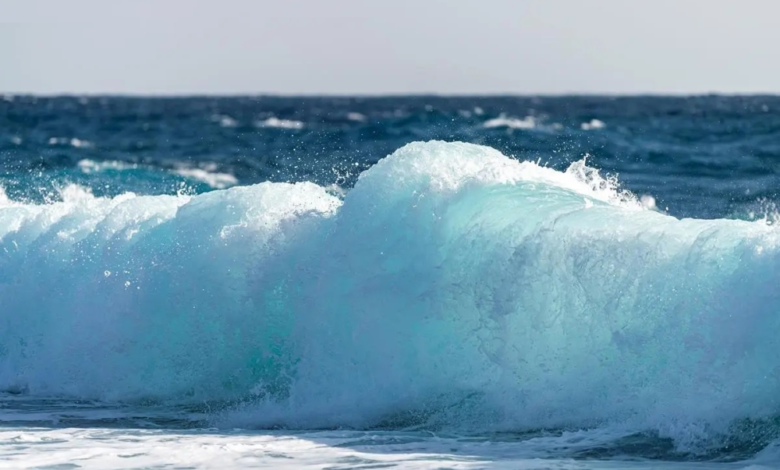
بالنسبة لحالة الملاحة في البحر الأحمر، أشار التقرير إلى أن الرياح السطحية ستكون جنوبية شرقية إلى جنوبية غربية على الجزء الشمالي، بينما تكون شمالية غربية إلى شمالية شرقية على الجزأين الأوسط والجنوبي. وتتراوح سرعة الرياح بين 17 إلى 36 كيلومتراً في الساعة. أما ارتفاع الموج فيتراوح من نصف المتر إلى متر ونصف، لتكون حالة البحر خفيفة إلى متوسطة الموج، مما يسمح بالأنشطة البحرية المعتادة مع توخي الحذر.
الخليج العربي
وفيما يخص الخليج العربي، تتجه الرياح السطحية لتكون غربية إلى جنوبية غربية على الجزء الشمالي، وشمالية غربية إلى غربية على الجزأين الأوسط والجنوبي، بسرعة تتراوح بين 15 إلى 35 كيلومتراً في الساعة. ويسجل ارتفاع الموج مستويات مشابهة للبحر الأحمر، حيث يتراوح من نصف المتر إلى متر ونصف، وتكون حالة البحر بشكل عام خفيفة إلى متوسطة الموج.