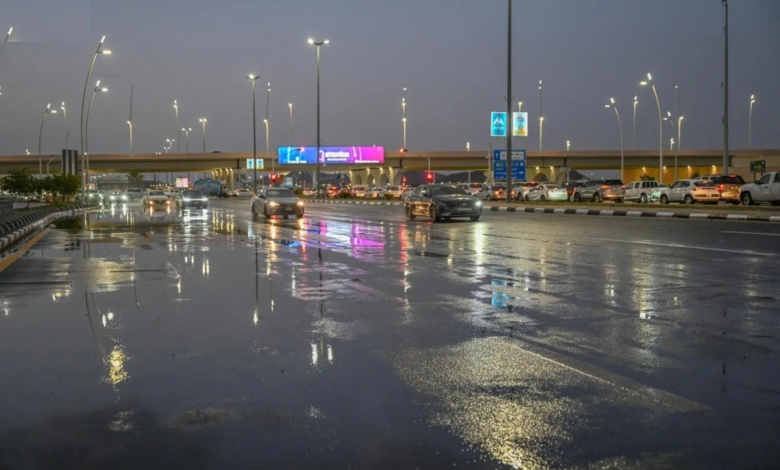
Saudi Arabia weather today: Temperature drop, frost, and fog in these areas

The National Center for Meteorology issued its daily report on the expected weather conditions for this Sunday, as the Kingdom’s atmosphere is witnessing significant weather fluctuations characterized by a noticeable drop in temperatures, which calls for caution and vigilance on the part of citizens and residents in the affected areas.
Weather details and affected areas
According to the meteorological statement, the cold air mass accompanied by active winds stirring up dust and sand continues to affect the region, reducing horizontal visibility. This drop in temperatures is primarily concentrated in the northern regions of the Kingdom, specifically Tabuk, Al-Jawf, and the Northern Borders . The cold wave is not limited to the north but also extends to parts of Hail, Al-Qassim, Riyadh, and the Eastern Province .
The center also warned of a high probability of fog during the night and early morning hours in parts of these areas, which could affect traffic on highways. In a related matter, frost , a common phenomenon at this time of year, is also possible, particularly in the northern parts of the Kingdom, while the Makkah and Madinah regions will be affected by active winds that may stir up dust.
Climate context and the impact of cold waves
This weather pattern is typical of winter in Saudi Arabia, where the Arabian Peninsula is affected by polar low-pressure systems or cold air masses from the north and the eastern Mediterranean. This time of year is usually characterized by fluctuating temperatures, ranging from relatively warm during the day to very cold at night, especially in open desert areas that lose heat quickly once the sun sets.
Frost formation in northern regions (such as Tabuk and Al-Jawf) is a natural phenomenon resulting from temperatures dropping below or near zero degrees Celsius, which directly affects the agricultural sector, as farmers in those regions are forced to take preventive measures to protect their crops from damage.
Sea conditions and their impact on navigation
In terms of maritime navigation, the Red Sea surface winds with speeds ranging from 20 to 45 km/h in the northern and central parts, and may reach 50 km/h towards the Bab al-Mandab Strait, with wave heights that may exceed two meters, making the sea state turbulent and requiring caution for fishermen and seafarers.
In the Arabian Gulf , northwesterly winds are active at speeds of up to 50 km/h, leading to waves reaching up to two and a half meters in height, which may affect maritime activities and port traffic in the eastern region.
Public safety recommendations
Given these forecasts, drivers on highways connecting the regions (especially the Riyadh-Eastern Province highway and northern roads) are advised to exercise extreme caution due to reduced visibility caused by fog or dust. Wearing warm winter clothing is also recommended, especially for children and the elderly, to avoid catching a cold due to the sudden drop in temperature.