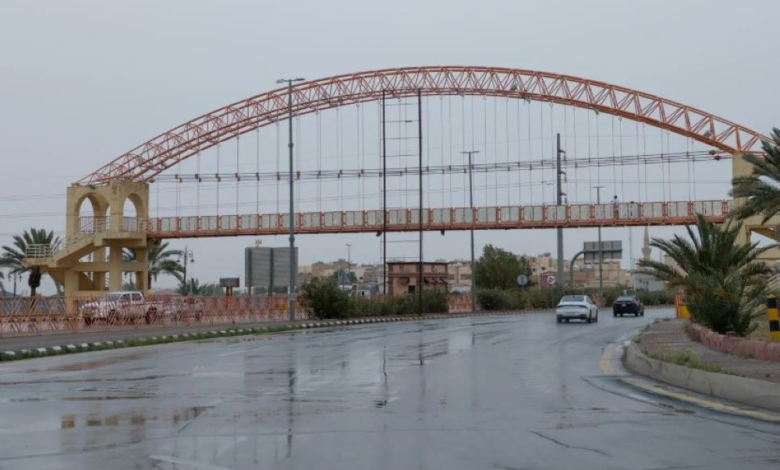

مقدمة عن الحالة المطرية في المملكة
تشهد المملكة العربية السعودية تقلبات جوية إيجابية تتمثل في هطول أمطار تتراوح بين الغزيرة والمتوسطة على عدة مناطق. تأتي هذه الحالة المطرية امتداداً للتغيرات المناخية التي تشهدها شبه الجزيرة العربية، والتي تسهم في إحياء الأرض ودعم المخزون المائي. وقد تركزت الأمطار مؤخراً على ثلاث مناطق رئيسية هي جازان، الجوف، والحدود الشمالية، مما أضفى أجواءً خلابة ونشط الحركة الطبيعية والزراعية في تلك المناطق.
أمطار جازان: انتعاش المدرجات الزراعية
في أقصى الجنوب الغربي، شهدت منطقة جازان هطول أمطار تراوحت بين الغزيرة والمتوسطة. شملت هذه الأمطار محافظات الريث، العارضة، الدائر بني مالك، فيفاء، وهروب، بالإضافة إلى المراكز والقرى التابعة لها. تاريخياً وجغرافياً، تُعرف هذه المحافظات الجبلية بمدرجاتها الزراعية الخضراء التي تعتمد بشكل كبير على مياه الأمطار. هطول الأمطار في هذه المرتفعات لا يقتصر تأثيره على تلطيف الأجواء فحسب، بل يلعب دوراً حيوياً في دعم الزراعة المحلية، خاصة زراعة البن الخولاني والفواكه الاستوائية التي تشتهر بها المنطقة. كما تسهم هذه الأمطار في جريان الأودية والشعاب، مما يتطلب من الأهالي والزوار اتباع إرشادات المركز الوطني للأرصاد والدفاع المدني لضمان السلامة.
منطقة الجوف: غيث يروي عاصمة الزيتون
بالانتقال إلى شمال المملكة، هطلت أمطار غزيرة على منطقة الجوف، وتحديداً في مدينة سكاكا والمراكز التابعة لها. وقد تركزت الأمطار بشكل ملحوظ على الأجزاء الشمالية والغربية من المدينة، مما أدى إلى ارتواء الأرض وجريان الشعاب. تكتسب هذه الأمطار أهمية كبرى لمنطقة الجوف التي تُعد سلة غذاء هامة وعاصمة لزراعة شجرة الزيتون في السعودية. المياه السطحية والجوفية التي تتغذى من هذه الأمطار تعزز من استدامة المشاريع الزراعية الضخمة في المنطقة، وتساهم في ظهور النباتات الربيعية التي تحول الصحراء إلى لوحات طبيعية ساحرة تجذب المتنزهين وعشاق الطبيعة.
الحدود الشمالية: أمطار الخير على عرعر
وفي السياق ذاته، استقبلت مدينة عرعر وضواحيها في منطقة الحدود الشمالية أمطاراً متوسطة. هذه المنطقة ذات الطبيعة الصحراوية والمراعي الممتدة تستفيد بشكل مباشر من هذه الهطولات المطرية. تاريخياً، ينتظر أهالي الشمال هذه الأمطار الموسمية لأنها تبشر بموسم ربيع مزدهر ينعش الغطاء النباتي ويدعم قطاع الثروة الحيوانية والمراعي الطبيعية الذي يعتمد عليه الكثير من سكان المنطقة في حياتهم الاقتصادية والاجتمعية.
الأبعاد والتأثيرات: محلياً وإقليمياً ودولياً
على الصعيد المحلي: تعزز هذه الأمطار من منسوب المياه في السدود وتدعم الغطاء النباتي، مما يتماشى بشكل مباشر مع أهداف مبادرة السعودية الخضراء الرامية إلى مكافحة التصحر وزيادة المساحات الخضراء في مختلف مناطق المملكة.
على الصعيد الإقليمي: تعكس هذه الحالات المطرية المتكررة تغيراً ملحوظاً في مناخ شبه الجزيرة العربية، حيث باتت المنطقة تشهد معدلات هطول أعلى من المتوسطات التاريخية في بعض المواسم، مما يبشر بتحولات بيئية إيجابية.
على الصعيد الدولي: تندرج هذه التغيرات ضمن السياق العالمي للتغير المناخي. وتستفيد المملكة من هذه الهطولات في تعزيز استراتيجياتها البيئية المستدامة، مما يقدم نموذجاً في كيفية التكيف مع التغيرات المناخية واستثمارها في تعزيز الأمن المائي والغذائي. ختاماً، جعلها الله أمطار خير وبركة، وعمّ بنفعها أرجاء البلاد.