
حالة طقس السعودية اليوم: أمطار تعم مناطق واسعة
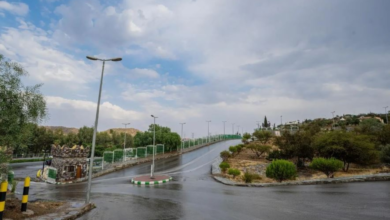
شهدت حالة طقس السعودية اليوم تقلبات جوية ملحوظة، حيث هطلت أمطار تراوحت بين المتوسطة والغزيرة على مناطق حيوية في المملكة، شملت الرياض، وعسير، والباحة. وتأتي هذه الحالة المطرية ضمن التغيرات المناخية الموسمية التي تشهدها شبه الجزيرة العربية، والتي تساهم في تلطيف الأجواء وتعزيز المخزون المائي الاستراتيجي للمملكة.
تفاصيل هطول الأمطار على الرياض والباحة
في التفاصيل، هطلت أمطار متوسطة على منطقة الرياض، شملت العاصمة وعدداً من المحافظات التابعة لها، مما أضفى أجواءً شتوية رائعة على المنطقة الوسطى. وفي الوقت ذاته، سجلت منطقة الباحة هطول أمطار متفرقة من متوسطة إلى غزيرة. وقد تركزت هذه الأمطار على مدينة الباحة وضواحيها، بالإضافة إلى أجزاء متفرقة من محافظات بلجرشي، والعقيق، والقرى، وبني حسن، والمندق، والمراكز التابعة لها، وعدد من المتنزهات الطبيعية.
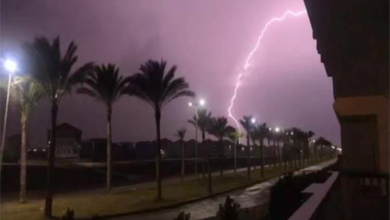
وترافقت هذه الحالة الجوية في الباحة مع عواصف رعدية نشطة، وانعدام في مدى الرؤية الأفقية بسبب تشكل الضباب الكثيف، خاصة في قطاع السراة الجبلي، مما أدى إلى سيلان عدد من الأودية والشعاب في المنطقة.
أمطار غزيرة وجريان للأودية في منطقة عسير
أما في المنطقة الجنوبية الغربية، فقد كان لطقس السعودية طابع أكثر غزارة، حيث هطلت أمطار من غزيرة إلى متوسطة على مدينة أبها وعدد من محافظات منطقة عسير ومراكزها. وشملت هذه الأمطار محافظات حيوية مثل خميس مشيط، وبيشة، وبلقرن، ومحايل عسير، والنماص، وأحد رفيدة، وتنومة. وقد أدت هذه الهطولات المتواصلة إلى جريان الأودية والشعاب، مما يرسم لوحة طبيعية خلابة تجذب الأهالي والزوار.
السياق المناخي والتاريخي لطقس المملكة
تاريخياً، تُعرف المملكة العربية السعودية بمناخها الصحراوي الجاف في معظم مناطقها، إلا أن المرتفعات الجنوبية الغربية (مثل عسير والباحة) تتمتع بمناخ معتدل نسبياً وتستقبل معدلات أعلى من الأمطار السنوية بسبب تضاريسها الجبلية (سلسلة جبال السراة) التي تعترض الرياح الموسمية المحملة بالرطوبة. هذه الظاهرة الجغرافية تجعل من هذه المناطق الخزان الأخضر للمملكة.
أما منطقة الرياض، فغالباً ما تشهد أمطاراً في الفترات الانتقالية بين الفصول أو خلال فصل الشتاء، وتكون هذه الأمطار ناتجة عن تلاقي الكتل الهوائية الباردة والدافئة، مما يولد حالات من عدم الاستقرار الجوي التي تبشر بالخير وتساهم في نمو النباتات البرية في الصحاري المحيطة.
أهمية الحدث وتأثيره المحلي والإقليمي
تحمل هذه الهطولات المطرية أهمية بالغة على عدة أصعدة. محلياً، تلعب الأمطار دوراً حيوياً في دعم القطاع الزراعي، خاصة في المدرجات الزراعية التاريخية في عسير والباحة التي تعتمد بشكل كبير على مياه الأمطار. كما تساهم في تغذية السدود والمياه الجوفية، وهو ما يتماشى مع أهداف رؤية السعودية 2030 في تحقيق الاستدامة البيئية والمائية.
سياحياً، تُعد هذه الأجواء الماطرة والضبابية عامل جذب رئيسي للسياحة الداخلية. فالمناطق الجنوبية تتحول إلى وجهات مفضلة للمواطنين والمقيمين الباحثين عن الطبيعة الخلابة والأجواء المعتدلة، مما ينعكس إيجاباً على الاقتصاد المحلي للمحافظات.
وعلى صعيد السلامة، دائماً ما تُصدر الجهات المعنية تحذيرات استباقية للمواطنين والمقيمين بضرورة أخذ الحيطة والحذر، والابتعاد عن بطون الأودية ومجاري السيول أثناء هطول الأمطار، لضمان سلامة الأرواح والممتلكات، وهو ما يعكس الجاهزية العالية للمملكة في التعامل مع الحالات الجوية الطارئة.