Weather forecast in Saudi Arabia: Thunderstorms to continue until the end of Eid

Weather forecast for Saudi Arabia during the Eid al-Fitr holiday
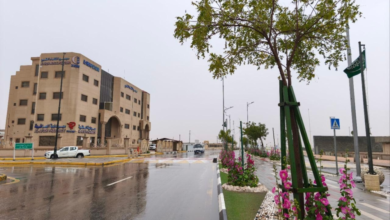
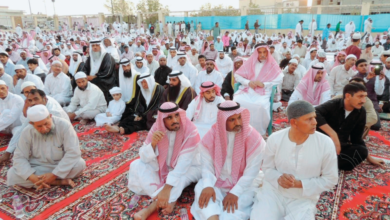
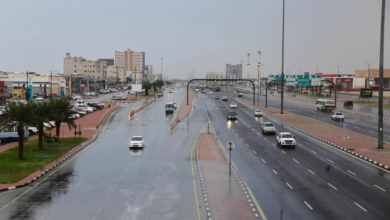
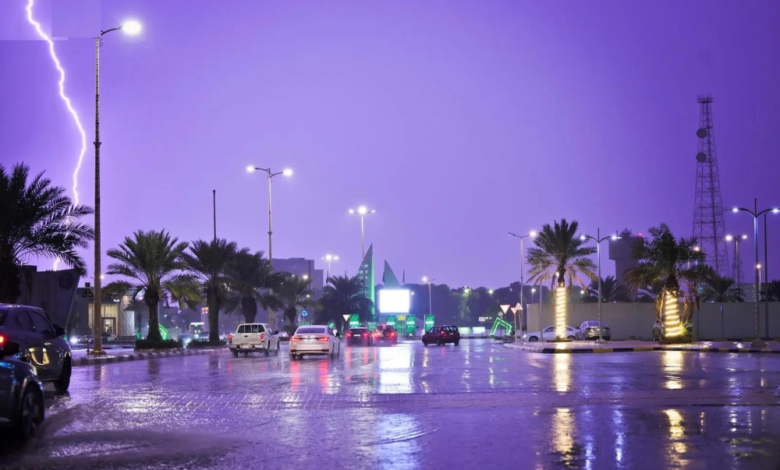
The National Center for Meteorology in Saudi Arabia has released its latest weather , indicating continued thunderstorms accompanied by strong winds across wide areas, encompassing most regions of the Kingdom. This forecast comes at a crucial time, coinciding with the remaining days of Ramadan, and its effects are expected to persist until the end of the Eid al-Fitr holiday, creating an exceptionally wintry and spring-like atmosphere for this year's Eid celebrations.
Climatic context and historical background of spring weather
Historically, the transitional period between winter and summer in the Arabian Peninsula is known for its sharp weather fluctuations. This period, which currently coincides with the end of Ramadan and Eid al-Fitr, is characterized by the formation of dense cumulonimbus clouds. This phenomenon is attributed to the convergence of cold air masses from the north with warm, moist air masses from the south, resulting in what is locally known as the Sarayat season or spring rains. This common weather phenomenon contributes to heavy rainfall and flash floods in valleys and ravines, a recurring weather pattern documented in the climate records of Saudi Arabia.
Expected impact of thunderstorms locally and regionally
These weather changes are of great importance and have a tangible impact on several levels. Locally, these rains play a vital role in bolstering the Kingdom's strategic water reserves by replenishing dams and groundwater, and they also have a positive effect on vegetation and natural pastures. From a social perspective, the timing of this rainfall with the Eid al-Fitr holiday requires citizens and residents to adjust their celebratory and tourism plans to accommodate the rainy weather, especially those who enjoy desert excursions and outdoor activities.
Regionally, the weather system in Saudi Arabia is closely linked to the weather patterns of neighboring Gulf countries. The effects of these low-pressure systems and periods of instability often extend to parts of these neighboring countries, necessitating ongoing coordination between regional meteorological centers to ensure the safety of air and land navigation across borders.
Weather updates and early warnings
Based on recent readings and the output of the Saudi numerical model, the National Center for Meteorology confirmed that the chances of thunderstorms and rain remain high. This timing necessitates the utmost caution from all members of the community during their travels and celebrations of this great religious occasion in various regions, to avoid the risks of landslides or being in valleys and floodplains.
In this context, the center urged all citizens and residents to stay informed by following its continuous updates and periodic reports. These reports aim to provide detailed information about the governorates that will be directly affected by these rains. The center also emphasized the importance of obtaining information from official communication channels and staying updated on the latest weather developments and early warnings, including its official website and verified social media accounts.
The center also urged the public to make the most of the advanced technical services provided by the Anwaa application, which allows users to obtain weather information directly and accurately, thus contributing to sound decision-making and ensuring everyone's safety during the holiday period.