
Saudi Arabia welcomes the temporary truce between Pakistan and Afghanistan
The Kingdom of Saudi Arabia, through its official diplomatic channels, welcomed the agreement on a temporary truce and ceasefire between the Islamic Republic of Pakistan and the Republic of Afghanistan. This welcome stems from the Saudi leadership's unwavering commitment to supporting security and stability in the region, and reaffirms the Kingdom's steadfast position advocating for the resolution of conflicts through peaceful means and diplomatic dialogue. The Kingdom expressed its hope that this positive step will pave the way for broader understandings that guarantee lasting peace between the two neighboring countries, thus positively impacting the people of both nations.
The historical context of Pakistani-Afghan relations
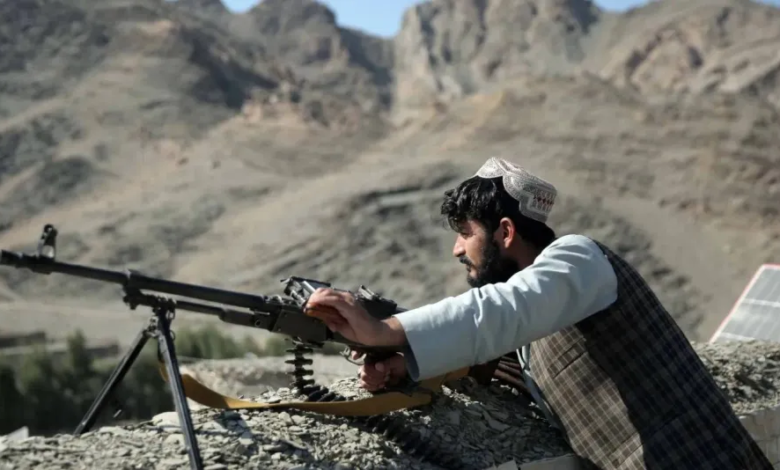
Relations between Pakistan and Afghanistan are characterized by deep historical and geopolitical complexities. The shared border, historically known as the Durand Line drawn in the late 19th century, is a major source of ongoing tension between the two countries. Border areas have frequently witnessed armed clashes and the recurring closure of vital crossings such as Torkham and Chaman, negatively impacting trade and civilian movement. Furthermore, Kabul and Islamabad periodically exchange accusations regarding security and counterterrorism issues, particularly concerning the activities of armed groups on both sides of the border. Therefore, this temporary truce is a necessary respite to alleviate the accumulated tensions and pave the way for peaceful solutions.
Saudi Arabia's pivotal role in the Islamic world
The Kingdom of Saudi Arabia plays a leading and pivotal role in the Islamic world, stemming from its religious, political, and economic standing. Riyadh has consistently sought to bridge divides among Islamic nations and has a long history of mediation and support for peace efforts in both Afghanistan and Pakistan. Saudi Arabia maintains close strategic and historical ties with Islamabad, encompassing economic, military, and security cooperation. Simultaneously, the Kingdom is committed to the stability of Afghanistan and to providing humanitarian and relief aid to the Afghan people, particularly through the Jeddah-based Organization of Islamic Cooperation (OIC). Saudi Arabia's welcoming of the ceasefire reflects Riyadh's commitment to its responsibilities towards the issues facing the Muslim world and its desire to end the bloodshed.
The importance of the truce and its expected effects
This temporary truce is of paramount importance on several strategic and humanitarian levels:
- At the local level: The truce contributes to providing a safe environment for civilians living in border areas, and allows for the resumption of commercial traffic and the passage of trucks loaded with goods, food and medical supplies, thus alleviating the humanitarian and economic suffering of the population in both countries.
- At the regional level, the ceasefire enhances the prospects for stability across South Asia. Stability between Pakistan and Afghanistan reduces the opportunities for extremist groups to exploit security vacuums and encourages the launch of joint regional development projects that require a secure environment for their implementation.
- At the international level, the international community is watching closely any positive developments in Pakistani-Afghan relations. A ceasefire aligns with international efforts to combat terrorism and prevent new waves of refugee displacement. Furthermore, diplomatic support from influential countries like Saudi Arabia lends additional momentum to UN efforts.
Future prospects and calls for dialogue
In conclusion, Saudi Arabia’s welcoming of the ceasefire underscores the importance of seizing this opportunity to build upon it. The Kingdom and the international community call upon both Pakistan and Afghanistan to engage in constructive and inclusive dialogue to address the root causes of their differences and to prioritize reason and shared interests. Achieving lasting peace between Islamabad and Kabul is not merely a bilateral interest, but a fundamental pillar for the security and stability of the region and the entire Muslim world.