
احتفالات عيد الأضحى بنكهة التراث في جواثا
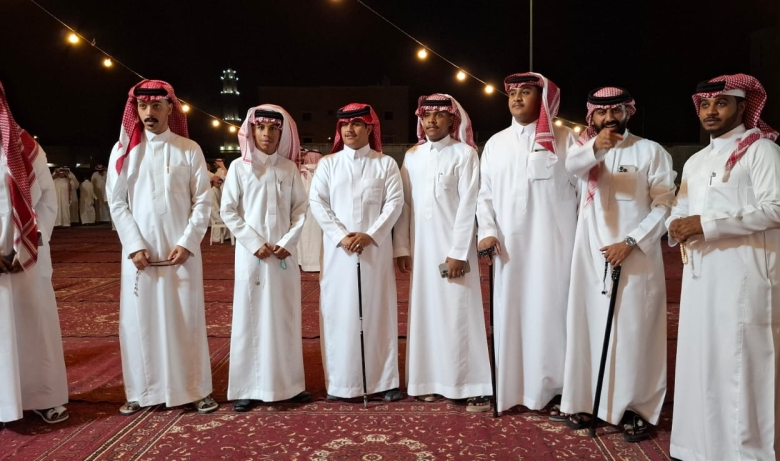
في أجواء غمرتها الفرحة وعبق التراث، شهدت مدينة جواثا التاريخية بمحافظة الأحساء احتفالاً بهيجاً بمناسبة عيد الأضحى المبارك. نظمت جمعية النجاح الشبابية الاجتماعية، بالتعاون مع فرقة سهيل الكلابية للفنون الشعبية، حفل معايدة لأهالي المدينة التي تضم بلدات الكلابية والمقدام والحليلة، حيث كانت العرضة السعودية نجمة الأمسية التي أعادت إحياء الموروث الشعبي الأصيل.
الحفل، الذي أقيم للمرة الأولى بهذا الشكل، لاقى تفاعلاً واسعاً وحضوراً لافتاً من الأهالي والمقيمين الذين حرصوا على المشاركة في هذه الفعالية المجتمعية، والتي مزجت بين فرحة العيد والاعتزاز بالتقاليد الوطنية. وتضمنت الأمسية مجموعة من الفقرات المتنوعة والمسابقات التي أضافت جواً من المرح والتنافس بين الحضور، مجسدةً روح الألفة والمحبة التي يتميز بها المجتمع السعودي.
العرضة السعودية: من ساحات الحرب إلى رمز للوحدة الوطنية
تُعد العرضة السعودية، التي كانت محور الاحتفال، أكثر من مجرد رقصة فلكلورية؛ فهي تمثل جزءاً حيوياً من تاريخ المملكة وثقافتها. تعود جذورها إلى وسط الجزيرة العربية، حيث كانت تُؤدى قديماً لرفع معنويات المحاربين قبل المعارك واستعراض قوتهم. ومع توحيد المملكة، تحولت العرضة من رقصة حربية إلى تعبير عن الفخر والوحدة والسلام. تتميز بأداء جماعي يحمل فيه المشاركون السيوف، مرددين قصائد شعرية حماسية على وقع قرع الطبول. لأهميتها الثقافية البالغة، تم إدراج العرضة النجدية ضمن قائمة التراث الثقافي غير المادي للبشرية لدى منظمة اليونسكو في عام 2015، مما يبرز قيمتها العالمية كتراث إنساني فريد.
أهمية الحدث وأبعاده الاجتماعية والثقافية
تكمن أهمية هذه الفعالية في أبعادها العميقة التي تتجاوز مجرد الاحتفال. على الصعيد المحلي، تساهم مثل هذه المبادرات في تعزيز الروابط الاجتماعية وتوطيد أواصر المحبة بين أفراد المجتمع، كما أوضح رئيس جمعية النجاح الشبابية الاجتماعية، جلال الرشيد. وأكد الرشيد أن الهدف الأساسي من الحفل هو “تعزيز الروابط الاجتماعية بين الأهالي وترسيخ قيم المحبة والتواصل”، مشيراً إلى أن الجمعية تحرص على تنظيم الفعاليات التي تجمع أبناء المجتمع في أجواء يسودها الود والتلاحم.
على المستوى الوطني، تتماشى هذه الاحتفالات مع أهداف رؤية السعودية 2030 التي تولي اهتماماً كبيراً بالحفاظ على الهوية الوطنية وإحياء التراث الثقافي. فمن خلال إقامة فعاليات تحتفي بالفنون الشعبية كالعرضة، يتم نقل هذا الموروث العريق إلى الأجيال الجديدة، وضمان استمراريته كجزء لا يتجزأ من الهوية السعودية. كما أن إقامتها في مدينة جواثا، التي تحتضن أحد أقدم المساجد في الإسلام، يضفي على الحدث بعداً تاريخياً ورمزياً، ويربط الحاضر بالماضي العريق للمنطقة والمملكة ككل.