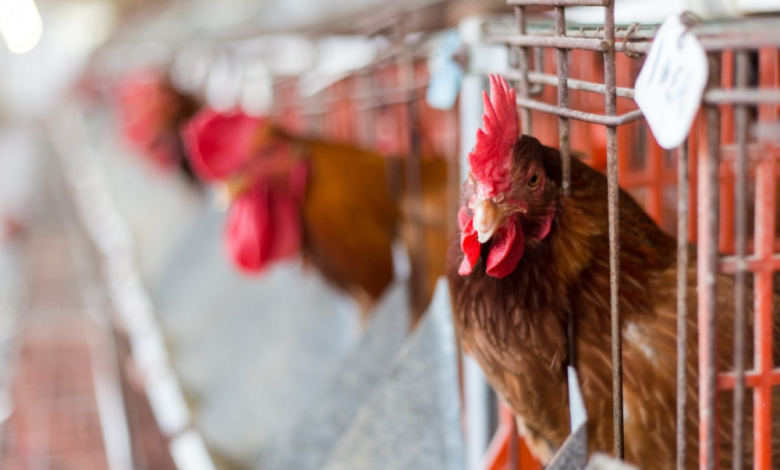

Details of the decision to ban the import of poultry and eggs from Argentina
In a proactive step aimed at protecting public health and food security, the Saudi Food and Drug Authority (SFDA) announced a temporary ban on the import of poultry meat and table eggs from Buenos Aires Province in Argentina. This decisive measure comes in response to recent international reports confirming an outbreak of a highly pathogenic strain of avian influenza in that region, necessitating swift action to prevent the virus from entering local markets.
Exceptions and strict health conditions
Despite the ban, the Saudi Food and Drug Authority (SFDA) made an exception for products that have undergone sufficient heat treatment. Products treated at temperatures sufficient to completely eliminate the virus causing the disease are permitted entry, provided they conform to the approved local health standards and specifications in the Kingdom. To ensure the highest levels of safety, the SFDA requires an official health certificate issued by the relevant regulatory authorities in Argentina, definitively proving that the exempted poultry and egg shipments are free of the virus or that it has been completely eradicated before being allowed entry through Saudi ports of entry.
Generalizing the decision to protect the business sector and food security
In a related development, the Kingdom's chambers of commerce swiftly circulated the decision to ban poultry imports to all business sectors and importing companies. This directive was based on official reports issued by the World Organisation for Animal Health (WOAH), which monitored and documented the outbreak late last month. This coordinated action between government agencies and the private sector aims to protect local food security and prevent any economic losses that might result from importing contaminated shipments.
General context and historical background of avian influenza
Avian influenza is a highly contagious viral disease affecting both domestic and wild birds, and the world has witnessed multiple outbreaks of this disease over the past two decades. Historically, the Kingdom of Saudi Arabia, represented by the Saudi Food and Drug Authority and the Ministry of Environment, Water and Agriculture, has taken strict and immediate measures upon the announcement of any outbreaks in exporting countries. This preventative policy is not new; the Kingdom has previously imposed similar bans on European, Asian, and American countries immediately upon the detection of cases, in order to prevent the spread of the virus, which could threaten the rapidly growing national poultry industry.
The importance of the decision and its expected impact locally and internationally
Domestically, this decision is of paramount importance in protecting the Saudi poultry production sector, a cornerstone of achieving food security within the objectives of Saudi Vision 2030. Preventing the entry of transboundary diseases ensures price stability and the continued availability of abundant local production. Regionally and internationally, this measure reflects the Kingdom's commitment to applying the highest global health standards in international trade, thereby reinforcing consumer confidence in the quality and safety of food available in the markets. The decision also puts pressure on exporting countries, such as Argentina, to strengthen their veterinary and regulatory procedures to control epidemics and restore the confidence of trading partners.
Ongoing monitoring and follow-up efforts
The Saudi Food and Drug Authority (SFDA) continues its diligent efforts to monitor the evolving global epidemiological situation on a daily basis, in cooperation with relevant international organizations. Inspection teams at border crossings are working around the clock to ensure the thorough examination of all food shipments. This comprehensive regulatory system underscores the wise leadership's commitment to providing safe and healthy food for citizens and residents, and demonstrates the efficiency of government agencies in managing global health crises with flexibility and high professionalism, thus protecting local markets from any potential negative repercussions.