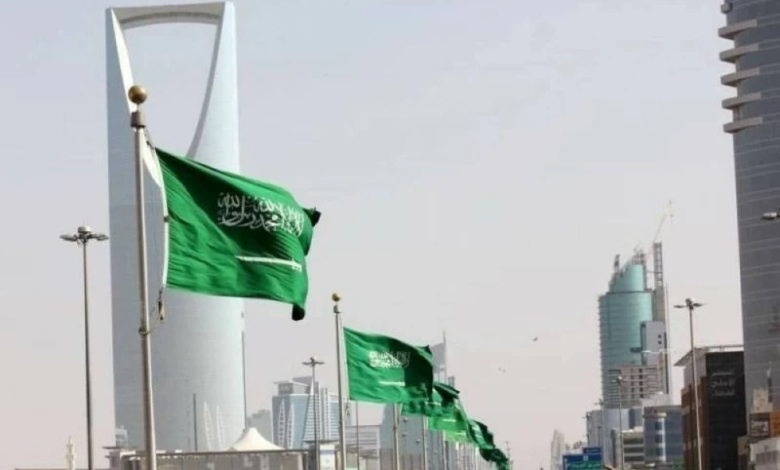

The financial sector in the Kingdom of Saudi Arabia continued to record record growth rates that reflect the strength of the national economy, as official data revealed that bank credit granted to the public and private sectors continued its upward trajectory, recording its highest historical levels by the end of 2025. According to the monthly statistical bulletin of the Saudi Central Bank “SAMA”, total credit amounted to about 3.3 trillion riyals, achieving a remarkable annual growth of 11.5%.
A qualitative leap in financing and liquidity
Detailed figures show that this growth was not accidental, but rather the result of active economic activity. The annual increase in credit volume exceeded SAR 340.6 billion, compared to 2024 levels of SAR 2.9 trillion. On a quarterly basis, credit grew by 1%, an increase of over SAR 34 billion compared to the third quarter of the same year. On a monthly basis, credit rose by 0.4% by the end of December, adding more than SAR 13.9 billion in market liquidity compared to November.
The dominance of long-term financing: economic implications
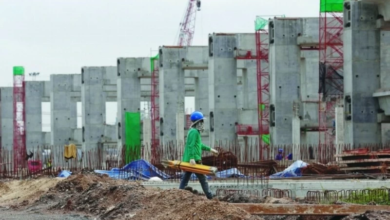
One of the most positive indicators included in the data is the structure of credit maturities, with long-term bank credit (over three years) accounting for the lion's share at 49% of the total, amounting to SAR 1.605 trillion. This trend reflects the confidence of financial institutions and investors in the economic viability of long-term strategic projects in the Kingdom, and represents a fundamental shift from short-term consumer or commercial financing to financing development projects and infrastructure.
In contrast, short-term credit (less than one year) constituted 38% with a value of 1.250 trillion riyals, while medium-term credit (from one year to three years) came in third place with a value of 13% and a value of 440.035 billion riyals.
Credit as an engine for the Kingdom's Vision 2030
This rapid growth in bank lending aligns with the objectives of Saudi Vision 2030, which aims to increase the private sector's contribution to GDP. The increased credit extended to various economic activities is crucial for both mega-projects and small and medium-sized enterprises (SMEs). Experts indicate that this level of liquidity enhances the private sector's ability to expand and invest in vital new sectors such as tourism, industry, and technology, thus directly contributing to diversifying income sources away from oil.
Financial stability and the role of the central bank
This strong performance also reflects the success of the Saudi Central Bank's (SAMA) monetary policies in maintaining the stability of the financial sector and providing an attractive and stable financing environment. The ability to inject such substantial liquidity while maintaining high banking soundness indicators underscores the strength of Saudi banks' financial position and their capacity to meet the growing demand for financing amidst the Kingdom's comprehensive economic development.