
The global credit rating agency S&P Global expects Saudi banks to continue their upward trajectory in achieving strong and sustainable growth in lending, driven primarily by the substantial financing needs associated with the Kingdom's Vision 2030 projects. This report underscores the pivotal role the banking sector plays in supporting the Kingdom's historic economic transformation.
Future growth and financing prospects
The agency indicated in its recent report that Saudi banks will continue to diversify their liquidity sources, with increasing reliance on external funding to support their expanding loan portfolios. It explained that the Kingdom's economic growth outlook remains largely positive, supported by strong and unprecedented activity in the non-oil sectors, coupled with the stability of the oil sector, creating a favorable operating environment for banks.
Figures and predictions for 2026
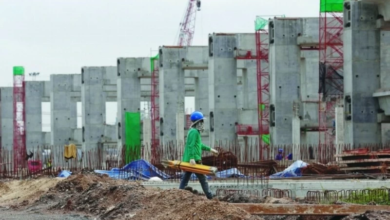
S&P Global anticipates continued strong performance from bank lending portfolios, projecting growth of approximately 10% in 2026. More specifically, the agency estimates that Saudi banks will provide between $65 billion and $75 billion in new loans to the corporate sector during the same year. This high demand is primarily attributed to substantial capital investments in the real estate and utilities sectors, two key pillars of infrastructure for major projects.
Context of Vision 2030 and its economic impact
These projections cannot be viewed in isolation from the broader context of Saudi Vision 2030, launched by Crown Prince Mohammed bin Salman in 2016. Since its launch, the Kingdom has embarked on mega-projects such as NEOM, Qiddiya, and the Red Sea Project, which require long-term financing and complex financial structures. National banks are playing a strategic financial role in this phase, contributing to the transformation of the economy from one heavily reliant on oil to a diversified and sustainable one.
Asset quality and financial soundness
Despite the rapid expansion in lending, the agency expects the asset quality indicators of Saudi banks to remain strong compared to their regional peers. This expectation reflects the robust regulatory frameworks imposed by the Saudi Central Bank (SAMA) and the efficiency of risk management at local banks. The banks' ability to balance strong loan portfolio growth with maintaining asset quality is a positive indicator for both domestic and international investors, reinforcing confidence in the Saudi financial system as a leading regional hub for business and investment.