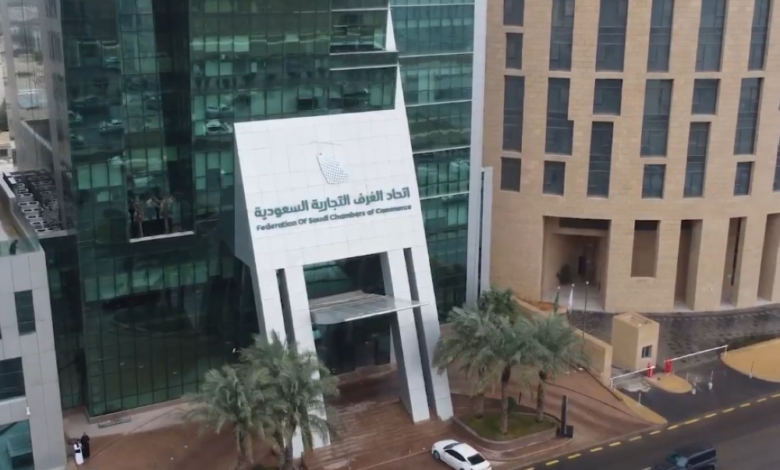

في خطوة استباقية تهدف إلى تعزيز الأمن الصحي والغذائي في المملكة العربية السعودية، وجه اتحاد الغرف السعودية تعميماً عاجلاً إلى كافة المستوردين والشركات العاملة في القطاع الزراعي والغذائي، يقضي بمنع استيراد الخضار والفواكه الطازجة والمبردة والمجمدة من ولايتي «كيرلا» و«البنغال الغربية» في جمهورية الهند. وجاء هذا القرار استجابة فورية للتحذيرات الصادرة عن المركز الوطني للوقاية من الآفات النباتية والأمراض الحيوانية ومكافحتها «وقاء»، عقب رصد تقارير دولية تفيد بتفشي فيروس «نيباه» في تلك المناطق.
طبيعة فيروس نيباه ومخاطره
يُعد فيروس «نيباه» (Nipah Virus) واحداً من الفيروسات حيوانية المنشأ التي تشكل تهديداً خطيراً للصحة العامة، حيث ينتقل الفيروس بشكل رئيسي من الحيوانات إلى البشر، وتعتبر «خفافيش الفاكهة» من الفصيلة «Pteropodidae» هي المضيف الطبيعي له. وتكمن خطورة الفيروس في قدرته على الانتقال عبر الأغذية الملوثة، خاصة الفواكه التي قد تكون تعرضت لإفرازات الخفافيش المصابة، بالإضافة إلى إمكانية انتقاله المباشر بين البشر. ووفقاً لمنظمة الصحة العالمية، يتسبب الفيروس في طيف من الأعراض يتراوح بين العدوى عديمة الأعراض إلى التهاب الدماغ الحاد والمميت، مع معدلات وفيات مرتفعة نسبياً، مما يستدعي اتخاذ أقصى درجات الحيطة والحذر.
السياق التاريخي وتكرار التفشي
لا تعد هذه المرة الأولى التي يظهر فيها فيروس نيباه في الهند؛ فقد شهدت ولاية «كيرلا» تحديداً عدة موجات تفشٍ سابقة خلال السنوات الماضية (مثل عامي 2018 و2021)، مما جعل السلطات الصحية الدولية والمحلية تضع هذه المناطق تحت المجهر الوبائي. وتأتي الإجراءات السعودية الحالية متسقة مع البروتوكولات الدولية للتعامل مع الأوبئة العابرة للحدود، حيث يُعتبر الحظر المؤقت للاستيراد إجراءً معيارياً لمنع انتقال المسببات المرضية عبر السلاسل الغذائية.
دور مركز «وقاء» وحماية السوق المحلي
يعكس هذا القرار الدور المحوري الذي يلعبه مركز «وقاء» في حماية المملكة من المخاطر الوبائية، من خلال الرصد المستمر للوضع الصحي العالمي وتقييم المخاطر المرتبطة بالتجارة الدولية. وقد شددت الجهات المعنية على ضرورة التزام كافة المستوردين بالقرار فوراً، مؤكدة أن رفع الحظر مرهون باستقرار الوضع الوبائي في تلك المناطق وزوال مسببات الخطر، وذلك لضمان وصول أغذية سليمة وآمنة للمواطنين والمقيمين، وتجنيب السوق المحلي أي مخاطر صحية محتملة.