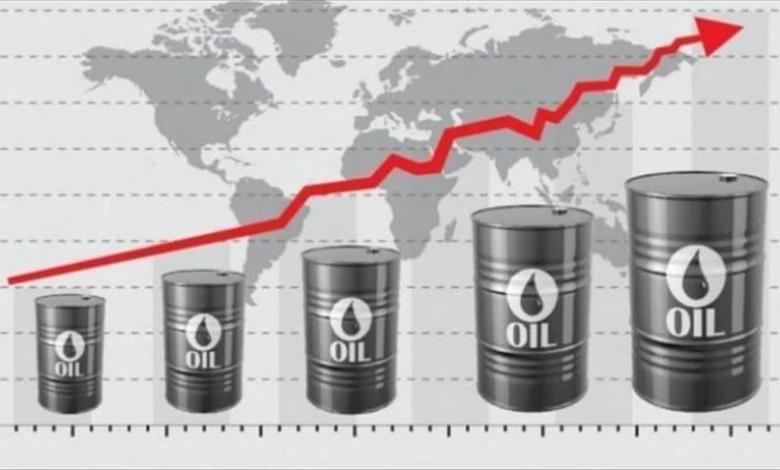

Amidst accelerating global events and geopolitical tensions, the Saudi economy is undergoing significant transformations that reflect its resilience and adaptability. A US news website covering Middle Eastern developments from the Saudi capital, Riyadh, suggested that the ongoing war in the region will have mixed effects on the Kingdom's economic landscape. On the one hand, these tensions may lead to a temporary slowdown in foreign direct investment inflows, but on the other hand, they are significantly easing pressure on the Kingdom's financial position this year, benefiting from high oil revenues.
The historical and geopolitical context of energy markets
Historically, global energy markets have been heavily influenced by conflicts in the Middle East. Currently, any potential escalation, particularly given the ongoing conflict involving actors such as the United States and Israel on one side, and Iran on the other, adds a risk premium to global oil prices. This price increase provides Saudi Arabia with significant financial relief, as the Kingdom continues to play its historical role as a safety valve for energy markets, balancing the need to meet global demand with the protection of its national economic interests.
The role of OPEC+ and the Kingdom's spare production capacity
In a related context, the website Semaphore quoted Monica Malik, chief economist at Abu Dhabi Commercial Bank, as saying that current conditions could pave the way for the OPEC+ alliance to significantly increase production levels. Malik pointed to a crucial economic fact: Saudi Arabia possesses the largest spare production capacity among member countries. This strategic reserve gives Riyadh considerable influence and decisive power in balancing the global oil market, allowing it to efficiently compensate for any potential shortfall in global supply.
Saudi budget forecasts and a reduction in the fiscal deficit
On the domestic financial front, Malik explained that the current rise in oil prices will directly contribute to reducing the Saudi budget deficit. Economic forecasts indicate that the deficit could fall to between 3% and 3.5% of GDP, provided that the price of Brent crude stabilizes at an average of $80 per barrel until the end of this year. This decline is very positive compared to last year, when the Saudi budget recorded a deficit of 5.8% of GDP.
Conservative scenarios and overall economic impacts
Even under the most conservative estimates, the Kingdom’s financial position remains strong. Malik noted that if the average price of Brent crude were to reach only $72 per barrel, the Kingdom’s fiscal deficit could fall to around 4.2% of GDP. The significance of this improved financial position lies in the Saudi government’s ability to continue funding major development projects associated with Vision 2030. Domestically, this financial stability ensures the continued diversification of income sources. Regionally and internationally, the strength of the Saudi economy enhances regional stability and reassures global markets about energy security amidst the exceptional circumstances the world is currently facing.