Cancellation of the financial levy for workers in industrial establishments in Saudi Arabia

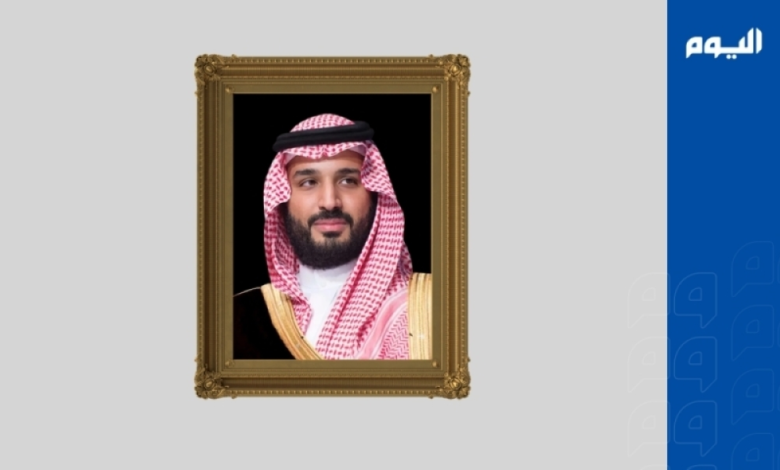
In a pivotal step aimed at bolstering the Kingdom of Saudi Arabia's position as a regional and global industrial powerhouse, the Saudi Cabinet, chaired by His Royal Highness Crown Prince Mohammed bin Salman bin Abdulaziz, issued a strategic decision to abolish the fees levied on expatriate workers in industrial establishments holding industrial licenses. This decision, which comes in response to recommendations from the Council of Economic and Development Affairs, represents a significant boost to the Kingdom's industrial development.
From temporary support to legislative sustainability
To understand the significance of this decision, it's essential to consider the recent historical context. The government had previously covered the fees for industrial establishments for five years under a 2019 decree, which aimed to mitigate economic shocks and support the sector during its economic transition. With the expiration of that period, the new decree completely abolishes the fees, moving the sector from a phase of temporary government support to one of financial and legislative sustainability. This provides investors with the security and stability necessary to develop their long-term expansion plans without the worry of reverting to previous financial burdens.
Enhancing competitiveness and reducing operating costs
This measure is a cornerstone in the structuring of operating costs for Saudi factories. Eliminating these fees directly reduces production costs, which has a positive impact on several levels:
- Supporting national products: Lower costs mean that Saudi products can compete on price against imported goods in the local market.
- Boosting exports: Raising the competitiveness of Saudi products in global markets, which supports the trade balance of payments.
- Attracting foreign investment: Improving the business environment and making the Kingdom an attractive destination for foreign capital seeking investment environments with low operating costs and stable legislation.
Integration with the Kingdom's Vision 2030
This decision is inextricably linked to the objectives of Saudi Vision 2030, specifically the National Industrial Development and Logistics Program (NIDLP). The Kingdom seeks to increase the industrial sector's contribution to GDP and diversify its sources of income away from oil. By removing financial obstacles, the government aims to empower the private sector to drive economic growth. Furthermore, the growth and expansion of factories will inevitably create quality job opportunities for Saudi citizens in administrative, technical, and leadership roles, thereby boosting Saudization rates in high-value-added jobs.
In conclusion, this decision reflects the wise leadership’s commitment to providing a flexible and stimulating industrial environment, capable of adapting to global economic changes, and ensuring that national industry is a fundamental and sustainable pillar of the thriving Saudi economy.