The Cabinet renews its support for the Gaza Peace Council and the gains of Davos

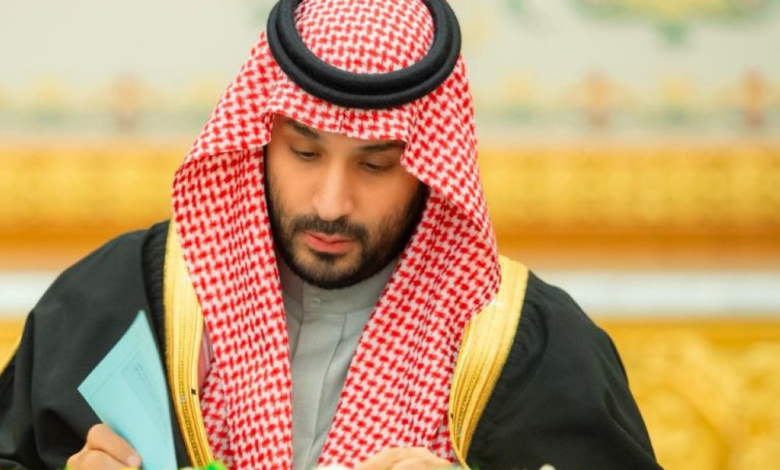
His Royal Highness Prince Mohammed bin Salman bin Abdulaziz Al Saud, Crown Prince and Prime Minister, chaired the regular session held by the Council of Ministers today in the capital, Riyadh, which witnessed the discussion of vital files at the local and international levels, most notably the economic developments and the latest developments in the Gaza Strip.
Praise for the achievements of Davos and Vision 2030
At the outset of the session, the Council reviewed the outcomes of the Saudi delegation's participation in the World Economic Forum's annual meeting in Davos. The Council commended the delegation's presentations, which reflected the tangible progress achieved in realizing the objectives of Saudi Vision 2030. The Council affirmed that the Kingdom's impactful initiatives directly contribute to shaping the future of the global economy and fostering innovation through constructive international dialogue, thereby solidifying the Kingdom's position as an influential economic power and a reliable partner in global development.
Supporting the “Peace Council” in Gaza: A step towards stability
On the political and regional front, the Cabinet followed with great concern the current developments in the region. In a move reflecting the Kingdom’s unwavering commitment to the Palestinian cause, the Cabinet reaffirmed Saudi Arabia’s support for the mission of the “Gaza Peace Council.” The Cabinet emphasized the importance of this Council as a transitional body aimed at ending the ongoing conflict in the Gaza Strip and overseeing reconstruction efforts, thus paving the way for security and stability not only for Palestinians but also for all countries and peoples of the region.
Historical context and the pivotal Saudi role
This announcement is a continuation of the Kingdom of Saudi Arabia’s long-standing and historic role in supporting the rights of the Palestinian people. The Kingdom has consistently provided political, economic, and humanitarian support and has always been at the forefront of proposing peace initiatives, such as the Arab Peace Initiative. Support for the “Peace Council” as a transitional body reflects a pragmatic Saudi vision aimed at filling the administrative and security vacuum in Gaza following the cessation of military operations, ensuring the non-recurrence of violence, and facilitating the flow of humanitarian aid and construction materials.
The strategic importance of the decision
Renewing the commitment to supporting this transitional body carries significant strategic implications; it underscores the necessity of a sustainable political solution to complement security and military measures. Observers believe that Saudi support for this approach lends international weight to the de-escalation process and encourages influential international actors to adopt options that support a two-state solution and end the suffering of civilians. The success of the Peace Council's mission in Gaza is a cornerstone for defusing tensions in the Middle East and preventing the conflict from escalating regionally—a goal Saudi diplomacy is striving to achieve through its intensive engagement with international partners.