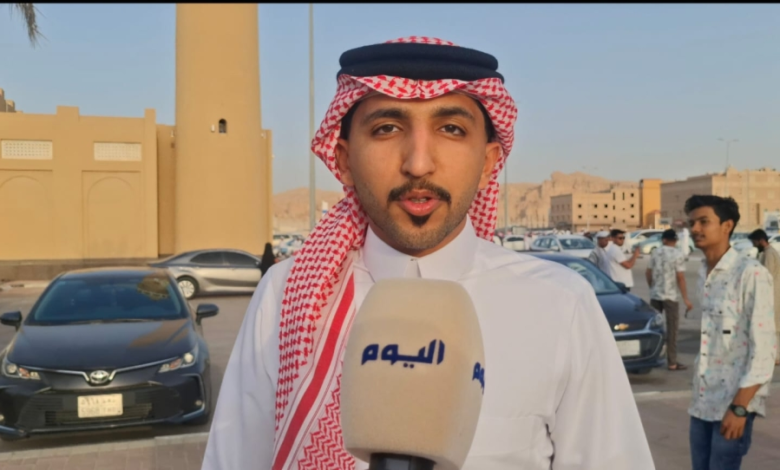

مع حلول عيد الأضحى المبارك، غمرت مشاعر الفرح والبهجة قلوب المواطنين في المملكة العربية السعودية، الذين عبروا لصحيفة “اليوم” عن سعادتهم الغامرة بهذه المناسبة الدينية العظيمة. لم تقتصر هذه السعادة على أجواء العيد الاحتفالية فحسب، بل امتدت لتشمل الفخر والاعتزاز بالنجاح الباهر الذي حققه موسم الحج لهذا العام، والذي يعد تتويجًا للجهود الجبارة التي بذلتها القيادة الرشيدة في خدمة ضيوف الرحمن وتوفير كافة سبل الراحة والأمان لهم.
يُعد عيد الأضحى، المعروف أيضًا بـ “عيد النحر”، أحد العيدين الرئيسيين في الإسلام، ويأتي ليختتم مناسك فريضة الحج، الركن الخامس من أركان الإسلام. تعود جذوره إلى قصة النبي إبراهيم عليه السلام واستعداده للتضحية بابنه إسماعيل طاعةً لأمر الله، ثم فداء الله له بكبش عظيم. هذه المناسبة تحمل في طياتها قيمًا عميقة من التضحية، الطاعة، الرحمة، والتكافل الاجتماعي، وتُعزز الروابط الروحية بين المسلمين في شتى بقاع الأرض. إنها فترة للتأمل في معاني الإيمان والتجديد الروحي، وتذكير بأهمية العطاء والتضامن.
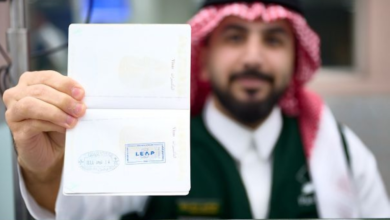
لقد أظهرت المملكة العربية السعودية، بصفتها حاضنة الحرمين الشريفين، التزامًا لا يتزعزع بضمان أداء ملايين الحجاج لمناسكهم بكل يسر وأمان. فمنذ اللحظة الأولى لوصول الحجاج، تتضافر جهود كافة القطاعات الحكومية والأمنية والصحية لتقديم منظومة خدمات متكاملة تشمل التنظيم اللوجستي الدقيق، وتأمين الطرق والمشاعر المقدسة، وتوفير الرعاية الصحية المتقدمة، بالإضافة إلى الخدمات الإرشادية والتوعوية. هذه الجهود تعكس المكانة العظيمة التي توليها المملكة لخدمة الإسلام والمسلمين، وتؤكد ريادتها العالمية في إدارة هذا التجمع البشري الضخم سنويًا.
وفي هذا السياق، أعرب العديد من المواطنين عن تقديرهم العميق لهذه الجهود. صرح سالم العساف قائلاً: “في هذه الأيام المباركة، نشعر جميعًا بالفخر والاعتزاز بما تحقق من نجاح كبير لموسم حج هذا العام، ولله الحمد والمنة، حيث ظهرت الجهود العظيمة والتنظيم المميز الذي يعكس مكانة هذا الوطن المبارك وحرص قيادته الرشيدة على خدمة ضيوف الرحمن بأفضل صورة.” وأضاف أحمد العساف مؤكدًا: “إن هذا النجاح الكبير تحقق بفضل الله ثم بالجهود المباركة التي سخرتها قيادتنا الرشيدة لخدمة ضيوف الرحمن، حتى أدى الحجاج مناسكهم بكل يسر وأمن وراحة وطمأنينة.”
تتجسد فرحة العيد في مظاهر اجتماعية وروحية متعددة تبدأ بأداء صلاة العيد، التي تجمع المسلمين في صفوف متراصة تعكس وحدتهم وتآلفهم. تليها زيارات الأهل والأقارب والأصدقاء، وتبادل التهاني والتبريكات، في أجواء تسودها المحبة والود وصلة الرحم. هذه اللحظات تعيد الدفء والصفاء إلى القلوب، وتُعزز الروابط الأسرية والمجتمعية. يقول ياسر العيد: “فرحة العيد تبدأ بأداء صلاة العيد ثم الاجتماع بالأهل والأحباب والوالدين، حيث تبقى هذه المناسبة المباركة فرصة جميلة لتعزيز صلة الرحم ولمة العائلة واجتماع القريب والبعيد في أجواء يسودها الفرح والمحبة والألفة.”
من جانبه، أشار عبد الله الحمادي إلى أن “أيام العيد تحمل أجمل معاني المحبة والتسامح وصلة الرحم، فزيارة الوالدين وتبادل التهاني والمعايدات بين الجميع من أبرز مظاهر فرحة العيد؛ فهي لحظات تبعث السعادة في النفوس وتمنح العيد طابعًا خاصًا لا يُنسى.” هذه التجمعات العائلية والاجتماعية لا تقتصر على كونها تقليدًا، بل هي جوهر العيد الذي يجدد الروابط ويقوي النسيج الاجتماعي للمجتمع السعودي، ويعكس قيمه الأصيلة في التكافل والتراحم.
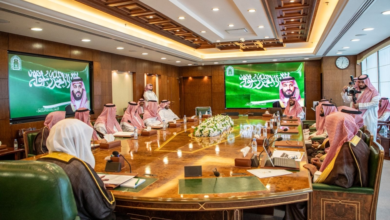
وفي ختام هذه الاحتفالات، يرفع المواطنون أسمى آيات الشكر والامتنان للقيادة الرشيدة. دعا سعد السبيعي قائلاً: “نسأل الله أن يحفظ مولانا خادم الحرمين الشريفين وسمو سيدي ولي العهد الأمير محمد بن سلمان، وأن يديم على وطننا الأمن والاستقرار والرخاء، وأن يجزيهما خير الجزاء على ما يقدمانه من جهود عظيمة لخدمة الإسلام والمسلمين.” هذه الدعوات تعبر عن عمق الولاء والانتماء، وتؤكد على الدور المحوري للمملكة في خدمة الحرمين الشريفين وضيوف الرحمن، مما يعزز مكانتها كقلب للعالم الإسلامي.