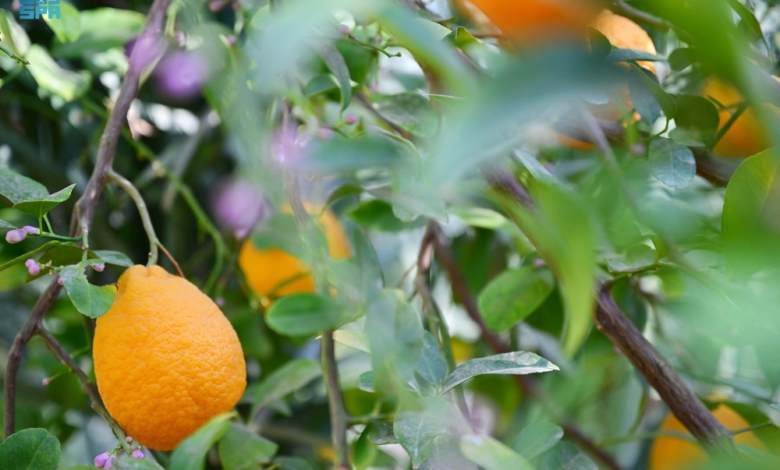

The Saudi Ministry of Environment, Water and Agriculture announced a significant increase in citrus production during the current winter season, with total production exceeding 158,000 tons. This reflects the success of the Kingdom's sustainable agricultural plans. This announcement underscores that winter in Saudi Arabia is not merely a tourist season, but rather the peak of the agricultural season, when the land yields its finest crops.
Production details and crop diversity
As part of its "Our Winter is Healthy" awareness campaign, the Ministry revealed detailed statistics on local production, with lemons topping the list at over 123,000 tons, followed by oranges at 35,700 tons. Production wasn't limited to these two varieties; Saudi Arabia's citrus basket also boasts a unique diversity, including tangerines, citron, grapefruit, and kumquats, highlighting the biodiversity and production capacity of Saudi farms to meet the tastes of local consumers.
Geographical context and economic importance
Saudi Arabia boasts a unique climatic and geographical diversity that contributes to the success of citrus cultivation, particularly in regions such as Najran, Jazan, Riyadh, and Medina. These crops are a cornerstone of the agricultural economy in these regions, providing employment opportunities and supporting small-scale farmers. This surge in production aligns with the goals of Saudi Vision 2030, which prioritizes food security and increasing self-sufficiency to reduce reliance on imports and boost non-oil GDP.
Citrus Festival in Al-Hariq: A Marketing Window
Coinciding with the abundant harvest, Al-Hariq Governorate in the Riyadh region is hosting the tenth edition of its Citrus Festival. This prominent annual event transcends its role as a mere marketplace, becoming a cultural and economic platform that brings together farmers, investors, and consumers. The festival aims to highlight the quality of local produce, open new marketing channels, and facilitate the exchange of technical expertise to enhance production efficiency and improve agricultural practices.
Sustainability and Public Health
The ministry emphasized that consuming local seasonal produce has significant health and environmental benefits. From a health perspective, citrus fruits are distinguished by their high nutritional value and their role in boosting immunity during the winter months. Environmentally, relying on local produce contributes to reducing the carbon footprint resulting from international transport and shipping (long supply chains), as well as minimizing food waste, thus serving the environmental sustainability goals that the Kingdom strives to achieve.