Saudi Arabia approves the cancellation of fees for industrial establishments to support exports

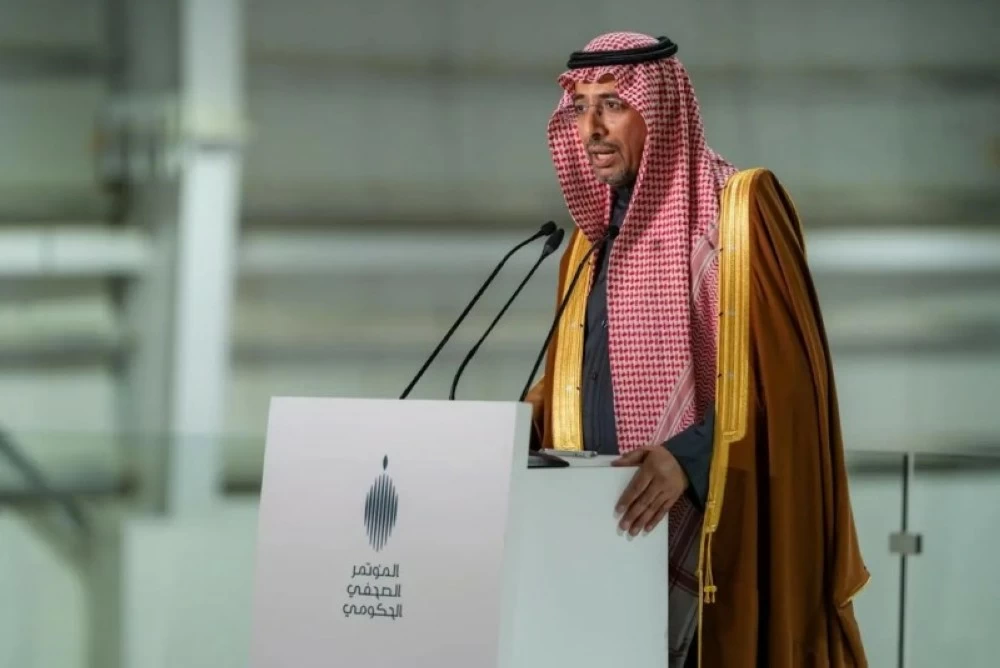
The Minister of Industry and Mineral Resources, Bandar bin Ibrahim Al-Khorayef, announced the issuance of a Cabinet decision, chaired by Crown Prince Mohammed bin Salman, to abolish the fees imposed on expatriate workers in licensed industrial establishments. This landmark decision is a pivotal step aimed at easing the operational burdens on national factories, thereby enhancing their competitiveness in international markets and supporting the strategy of diversifying income sources.
Supporting leadership and the goals of Vision 2030
Minister Al-Khorayef expressed his deepest gratitude and appreciation to the Custodian of the Two Holy Mosques and His Royal Highness the Crown Prince, emphasizing that this decision reflects the unlimited support the industrial sector enjoys as a cornerstone of the Kingdom's Vision 2030. He explained that the elimination of the financial levy is not merely a financial exemption, but a strategic enabling tool aimed at attracting foreign and domestic investments and facilitating the business environment for existing and new establishments, thus ensuring the sustainability of industrial growth and increasing its contribution to the gross domestic product.
Significant leaps in terms of numbers (2019 – 2025)
During the government press conference held on the sidelines of the "Made in Saudi Arabia 2025" exhibition, Al-Khurayyif reviewed the significant positive impact of previous exemption periods, noting that the sector has witnessed radical transformations over the past five years, including:
- Growth in the number of factories: It increased from 8,822 establishments to more than 12,000 industrial establishments.
- Industrial GDP: jumped from 322 billion riyals to 501 billion riyals.
- Investment volume: Exceeded the 1.2 trillion riyal mark, compared to 908 billion riyals previously.
- Localization and jobs: The localization rate has increased to 31%, with the addition of more than 360,000 new jobs, bringing the total number of jobs in the sector to 840,000.
Infrastructure and financial empowerment
In discussing enabling factors, the minister highlighted the significant expansion of industrial infrastructure, noting that the Saudi Authority for Industrial Cities and Technology Zones (MODON) has increased the number of industrial cities to 42, adding 65 million square meters of developed land. On the financial front, the Saudi Industrial Development Fund played a pivotal role by providing financing of 93 billion riyals, while the Export-Import Bank offered credit facilities exceeding 100 billion riyals to facilitate Saudi products' access to global markets.
Leading non-oil exports
Al-Khorayef affirmed that successful industrial policies have resulted in a historic performance for non-oil exports, which recorded the highest semi-annual value of 307 billion riyals in the first half of 2025, raising its share of the Kingdom’s total exports to 44%, compared to only 28% in 2016. This figure reflects the success of the Kingdom’s plans to reduce dependence on oil and enhance the added value of national industries.
Localizing future industries
The minister concluded his remarks by highlighting the progress made in localizing high-quality and complex industries, such as the automotive industry through the King Salman Automotive Manufacturing Complex and the companies “Seer” and “Lucid”, in addition to the pharmaceutical and aviation sectors, stressing that the “Made in Saudi Arabia” program now includes 3,700 national companies that offer more than 19,000 products bearing the Saudi industrial identity to the world.