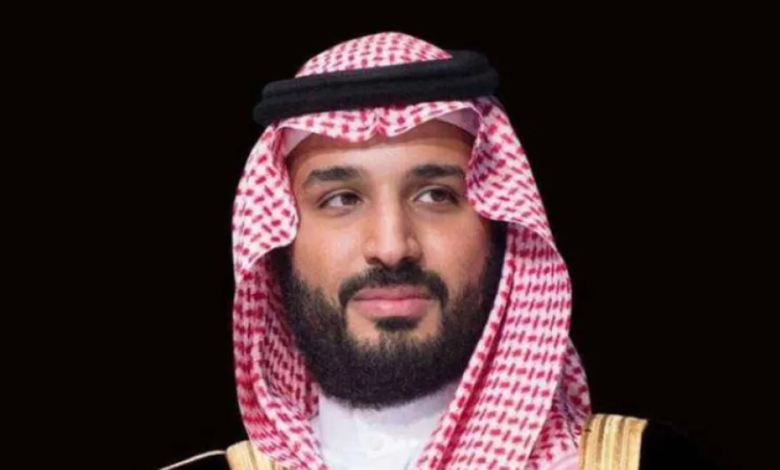

في خطوة لافتة حملت دلالات سياسية هامة، بعث صاحب السمو الملكي الأمير محمد بن سلمان بن عبدالعزيز، ولي العهد نائب رئيس مجلس الوزراء وزير الدفاع، برقية عزاء ومواساة إلى السيد أحمد علي عبدالله صالح، في وفاة والده الرئيس اليمني السابق علي عبدالله صالح. وتأتي هذه التعزية في وقت حرج من تاريخ اليمن المعاصر، حيث أن ولي العهد السعودي يعزي شخصية أصبح يُنظر إليها كوريث سياسي محتمل لوالده في قيادة حزب المؤتمر الشعبي العام، ما يضفي على اللفتة بعداً استراتيجياً يتجاوز المواساة التقليدية.
خلفيات المشهد اليمني ومقتل صالح
لفهم أهمية هذه البرقية، لا بد من العودة إلى السياق الذي تمت فيه. لقد قُتل الرئيس اليمني السابق علي عبدالله صالح في ديسمبر 2017 على أيدي حلفائه السابقين، جماعة الحوثي، بعد أيام قليلة من إعلانه فض الشراكة معهم ودعوته لفتح صفحة جديدة مع دول الجوار والتحالف العربي لدعم الشرعية في اليمن. شكل مقتله صدمة كبيرة على الساحة اليمنية، حيث كان صالح لاعباً محورياً في السياسة اليمنية لأكثر من ثلاثة عقود، وتمتّع بنفوذ واسع داخل المؤسسة العسكرية والقبلية.
كان تحالف صالح مع الحوثيين، الذي تشكل في عام 2014، بمثابة زواج مصلحة مؤقت لإسقاط الحكومة المعترف بها دولياً. إلا أن التوترات بين الطرفين سرعان ما تصاعدت بسبب خلافات على النفوذ وتقاسم السلطة، وبلغت ذروتها في المواجهات المسلحة التي شهدتها العاصمة صنعاء وأدت في النهاية إلى مقتل صالح أثناء محاولته مغادرة المدينة.
ولي العهد السعودي يعزي: أبعاد سياسية ورسائل إقليمية
لم تكن برقية العزاء التي أرسلها ولي العهد السعودي مجرد إجراء بروتوكولي. بل كانت رسالة سياسية واضحة من المملكة العربية السعودية، قائدة التحالف العربي، بأنها ترى في أنصار صالح وحزبه (المؤتمر الشعبي العام) شريكاً محتملاً في مواجهة النفوذ الحوثي المدعوم من إيران. اعتبر المحللون هذه الخطوة بمثابة إشارة دعم لأحمد علي عبدالله صالح، الذي كان يقيم في دولة الإمارات العربية المتحدة، لتولي دور قيادي في توحيد صفوف قوات الحرس الجمهوري والمؤتمر الشعبي العام ضد الحوثيين.
حملت هذه اللفتة أملاً في إعادة تشكيل خريطة التحالفات العسكرية والسياسية على الأرض في اليمن. كان يُعتقد أن مقتل صالح على يد الحوثيين سيؤدي إلى انتفاضة واسعة من قبل أنصاره وقبائله، وأن دعم التحالف لهذه الحركة يمكن أن يغير مسار الحرب بشكل كبير. وبالتالي، فإن تعزية ولي العهد لم تكن موجهة لأسرة الفقيد فحسب، بل كانت أيضاً دعوة ضمنية للقوى الموالية لصالح للانضمام إلى جبهة الشرعية، وتأكيداً على أن صفحة الخلافات السابقة يمكن طيها في سبيل تحقيق الهدف المشترك المتمثل في استعادة الدولة اليمنية.