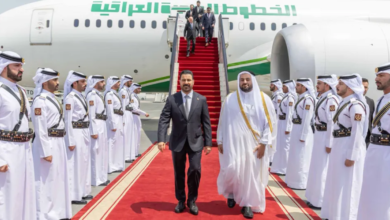

في خطوة دبلوماسية هامة، عقد ولي العهد السعودي والرئيس اللبناني اجتماعاً رفيع المستوى لمناقشة آخر المستجدات على الساحتين الإقليمية والدولية، وبحث سبل تعزيز العلاقات الثنائية بين الرياض وبيروت. ويأتي هذا اللقاء في توقيت حاسم، حيث تواجه المنطقة تحديات متزايدة، بينما يمر لبنان بأزمة اقتصادية وسياسية هي الأعمق في تاريخه الحديث، مما يمنح المباحثات أهمية استراتيجية تتجاوز البروتوكولات التقليدية.
تاريخياً، ارتبطت المملكة العربية السعودية ولبنان بعلاقات وثيقة ومتجذرة، حيث لعبت الرياض دوراً محورياً في دعم استقرار لبنان السياسي والاقتصادي. ولعل أبرز محطات هذا الدور كان رعايتها لاتفاق الطائف عام 1989 الذي أنهى الحرب الأهلية اللبنانية ورسم ملامح النظام السياسي القائم حتى اليوم. إلا أن السنوات الأخيرة شهدت فتوراً في هذه العلاقات على خلفية تعاظم نفوذ قوى إقليمية في الداخل اللبناني، وهو ما جعل هذا الاجتماع محط أنظار المراقبين الذين يأملون في أن يمثل نقطة تحول نحو إعادة الدفء والزخم للروابط بين البلدين الشقيقين.
أهمية لقاء ولي العهد السعودي والرئيس اللبناني في ظل التحديات الراهنة
يكتسب لقاء ولي العهد السعودي والرئيس اللبناني أهمية قصوى نظراً للسياق المعقد الذي يعيشه لبنان. فعلى الصعيد الاقتصادي، يترقب الشارع اللبناني أي بادرة دعم يمكن أن تساهم في تخفيف وطأة الانهيار المالي. ويمكن أن يفتح التقارب مع المملكة آفاقاً جديدة للاستثمارات الخليجية والمساعدات التي يحتاجها لبنان بشدة لإعادة بناء اقتصاده وتجاوز أزمته. ويمثل اللقاء رسالة واضحة بأن الرياض لم تتخل عن دورها التاريخي في دعم استقرار وازدهار لبنان.
أما على المستوى السياسي، فيُنظر إلى الاجتماع على أنه محاولة جادة لإعادة تفعيل الدور السعودي في الملف اللبناني، خاصة فيما يتعلق بالاستحقاقات الدستورية المعطلة. وقد تكون المباحثات قد تطرقت إلى سبل إيجاد حلول توافقية تضمن الحفاظ على سيادة لبنان وعروبته، وتعزيز دور مؤسسات الدولة الرسمية، بما يخدم مصالح الشعب اللبناني أولاً وأخيراً.
انعكاسات إقليمية ومستقبل العلاقات
لا يمكن فصل هذا التقارب الدبلوماسي عن المشهد الإقليمي الأوسع، حيث تسعى المملكة العربية السعودية إلى تعزيز التحالفات العربية وتوحيد المواقف لمواجهة التحديات المشتركة. إن إعادة تمتين العلاقات مع بيروت يصب في هذا الإطار الاستراتيجي، ويعيد تأكيد أهمية لبنان كجزء لا يتجزأ من محيطه العربي. في الختام، يمثل هذا اللقاء خطوة إيجابية ومهمة، لكن نجاحه الحقيقي سيقاس بمدى ترجمة التفاهمات إلى إجراءات عملية على أرض الواقع، تساهم في إخراج لبنان من أزمته وتعيد العلاقات السعودية اللبنانية إلى سابق عهدها من القوة والمتانة.