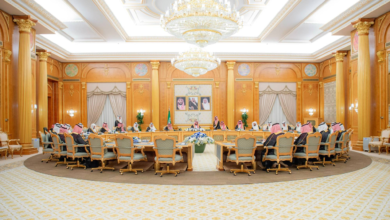

في خطوة تعكس عمق التنسيق الاستراتيجي بين الرياض وأبوظبي، أجرى صاحب السمو الملكي الأمير محمد بن سلمان بن عبد العزيز آل سعود، ولي العهد رئيس مجلس الوزراء السعودي، اتصالاً هاتفياً مع أخيه صاحب السمو الشيخ محمد بن زايد آل نهيان، رئيس دولة الإمارات العربية المتحدة. وشهد الاتصال استعراضاً شاملاً للعلاقات الأخوية الراسخة بين البلدين الشقيقين، بالإضافة إلى تبادل وجهات النظر حول أبرز المستجدات على الساحتين الإقليمية والدولية والجهود المبذولة لتحقيق الاستقرار والسلام في المنطقة.
سياق تاريخي لعلاقات استراتيجية
تأتي هذه المحادثة في سياق علاقات تاريخية واستراتيجية متجذرة تجمع بين المملكة العربية السعودية ودولة الإمارات العربية المتحدة. فكلا البلدين يمثلان حجر الزاوية في منظومة مجلس التعاون لدول الخليج العربية، ويشتركان في رؤية موحدة تجاه العديد من القضايا المصيرية التي تواجه العالم العربي. على مر العقود، تطورت هذه العلاقة من مجرد روابط جيرة وأخوة إلى شراكة استراتيجية شاملة تغطي المجالات السياسية والاقتصادية والعسكرية والأمنية، وهو ما يتجلى في التنسيق المستمر على أعلى المستويات.
أهمية التوقيت وتأثيره على استقرار المنطقة
يكتسب هذا الاتصال أهمية خاصة في ظل التحديات المعقدة التي تشهدها المنطقة، من الأوضاع في السودان واليمن إلى التوترات الجيوسياسية الأوسع. ويعكس التنسيق السعودي-الإماراتي حرصاً مشتركاً على احتواء الأزمات ودعم الحلول السياسية التي تضمن سيادة الدول وتحقق تطلعات شعوبها. إن التشاور المستمر بين القيادتين يهدف إلى توحيد المواقف وتشكيل جبهة متماسكة قادرة على التعامل بفعالية مع المتغيرات المتسارعة، وإرسال رسالة واضحة للمجتمع الدولي حول الدور المحوري الذي تلعبه الرياض وأبوظبي كقوى استقرار إقليمية.
على الصعيد الدولي، يساهم هذا التقارب في تعزيز مكانة البلدين كلاعبين مؤثرين على الساحة العالمية، خاصة في مجالات الطاقة وأمن الممرات المائية والاقتصاد العالمي. إن المواقف المنسقة بين أكبر اقتصادين في العالم العربي تحمل وزناً كبيراً في المحافل الدولية، وتؤثر بشكل مباشر على القرارات المتعلقة بأمن الطاقة والسياسات الدولية تجاه الشرق الأوسط. ويؤكد هذا التواصل الدائم على أن أمن الخليج واستقراره جزء لا يتجزأ من أمن واستقرار العالم بأسره.