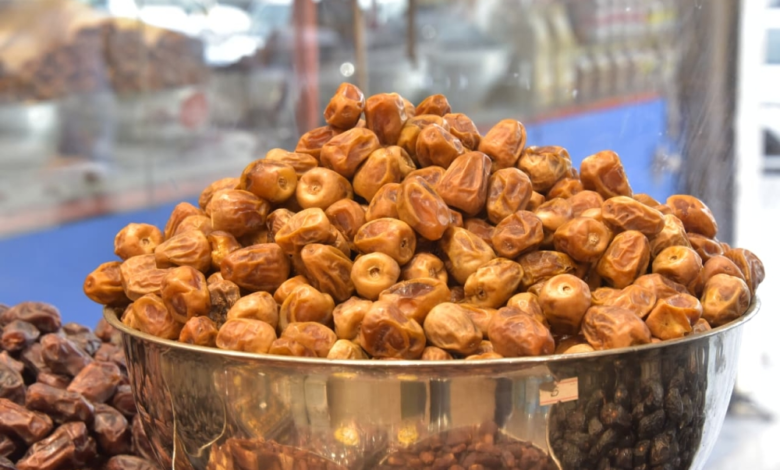

The Kingdom of Saudi Arabia continues to solidify its leading position on the global agricultural and economic map, with Saudi date unprecedented growth, reaching consumers in 133 countries worldwide. This achievement reflects the quality of the national product and the effectiveness of the Kingdom's export strategies under Vision 2030, which aims to diversify income sources and boost non-oil exports.
Al-Ahsa: The capital of palm trees and the engine of production
At the heart of this success lies the Eastern Province, specifically the historic Al-Ahsa Oasis, which stands out as one of the world's most important date-producing regions. The region leads the Kingdom in date production, with an annual output exceeding 261,000 tons. Al-Ahsa, home to the world's largest palm oasis and a UNESCO World Heritage Site, boasts over 4.2 million date palms spread across approximately 26,000 farms, making it a vital pillar of the Kingdom's food and economic security.
The region's role extends beyond agriculture; it also boasts a sophisticated industrial infrastructure, including 32 factories specializing in date packaging and processing. These factories operate according to the highest quality standards, processing 16 of the finest date varieties, most notably "Khalas," "Shishi," and "Raziz," which are in increasing global demand due to their unique taste and high nutritional value.
Record numbers and huge economic returns
Data released by the National Center for Palms and Dates reveals that the date sector in the Kingdom has witnessed tremendous growth, with total national production reaching 1.9 million tons annually. This abundance in production has positively impacted exports, generating revenues of 1.7 billion Saudi riyals. These figures are not merely statistics; they reflect the success of government plans to support farmers and open new international markets, thus boosting the gross domestic product.
Dates: A cultural heritage and a health benefit
Beyond their economic importance, dates hold deep cultural and religious significance in Saudi and Arab society, especially with the arrival of the holy month of Ramadan. Experts confirm that dates are the ideal food for breaking the fast, as they contain easily absorbed natural sugars, minerals, and proteins that provide the body with immediate energy and replenish what it lost during the hours of fasting. This leads to a surge in demand for dates both locally and globally during religious seasons.
A promising future for manufacturing industries
The Kingdom's ambitions extend beyond exporting raw dates; they encompass developing palm-based and date-based processing industries, such as the production of date syrup, date paste, and medicinal and cosmetic products derived from palm trees. This approach will contribute to creating new job opportunities for Saudi youth and increasing the market value of national products, thus ensuring the sustainability of this vital sector for future generations.