
تفاصيل اعتراض الصاروخ الباليستي والطائرات المسيرة
في إنجاز جديد يعكس اليقظة العالية والكفاءة الميدانية، أعلنت قيادة القوات المشتركة لتحالف دعم الشرعية في اليمن أن الدفاعات السعودية تمكنت بنجاح من اعتراض وتدمير صاروخ باليستي، بالإضافة إلى 34 طائرة مسيرة مفخخة (بدون طيار)، أطلقتها الميليشيات الحوثية الإرهابية باتجاه المنطقة الشرقية والعاصمة الرياض. يأتي هذا الحدث في سياق سلسلة من المحاولات العدائية التي تستهدف الأعيان المدنية والمدنيين بطريقة ممنهجة ومتعمدة، مما استدعى تفعيل منظومات الدفاع الجوي للتعامل مع هذه التهديدات وتحييدها قبل وصولها إلى أهدافها.
السياق العام والخلفية التاريخية للاعتداءات
تعود جذور هذه الاعتداءات إلى الصراع الدائر في اليمن منذ انقلاب الميليشيات الحوثية على الحكومة الشرعية. وعلى مدار السنوات الماضية، دأبت هذه الميليشيات على استخدام الطائرات المسيرة المفخخة والصواريخ الباليستية كأداة للضغط العسكري والسياسي. وقد تم توثيق استخدام تقنيات وأسلحة متطورة، حيث تشير التقارير الأممية والدولية إلى تورط جهات خارجية في تزويد الحوثيين بهذه الترسانة. استهداف مناطق حيوية مثل العاصمة الرياض والمنطقة الشرقية، التي تعد العصب الرئيسي لصناعة الطاقة في المملكة والعالم، يعكس نية واضحة لضرب استقرار الاقتصاد العالمي وليس فقط استهداف أمن المملكة العربية السعودية.
أهمية الحدث وتأثيره المتوقع
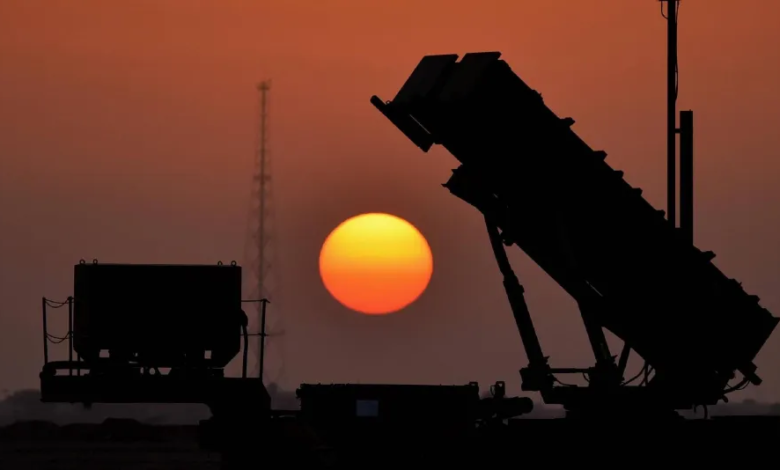
على الصعيد المحلي: يبرز هذا الحدث الجاهزية القصوى التي تتمتع بها قوات الدفاع الجوي الملكي السعودي. استخدام منظومات دفاعية متطورة، مثل صواريخ باتريوت وغيرها من المنظومات الرادارية والاعتراضية، ساهم بشكل مباشر في حماية أرواح ملايين المدنيين والمقيمين، وتأمين البنية التحتية الحيوية من دمار محقق. نجاح الاعتراض يعزز من ثقة المواطنين والمقيمين في قدرة الدولة على حماية أراضيها وتوفير مظلة أمنية صلبة.
على الصعيد الإقليمي: تمثل هذه الهجمات تصعيداً خطيراً يهدد أمن واستقرار منطقة الخليج العربي والشرق الأوسط بشكل عام. استمرار الميليشيات في هذه الممارسات يقوض أي جهود إقليمية أو أممية تهدف إلى إحلال السلام والتوصل إلى حل سياسي شامل للأزمة اليمنية، مما يطيل أمد المعاناة الإنسانية للشعب اليمني ويزيد من التوترات الجيوسياسية في المنطقة.
على الصعيد الدولي: لا يقتصر تأثير هذه الهجمات على النطاق الجغرافي للمملكة، بل يمتد ليشكل تهديداً صريحاً للأمن والسلم الدوليين. المنطقة الشرقية في السعودية تضم منشآت نفطية حيوية، وأي استهداف لها يعتبر استهدافاً لإمدادات الطاقة العالمية والاقتصاد العالمي ككل. ولهذا السبب، دائماً ما تقابل هذه الهجمات بإدانات دولية واسعة من قبل الأمم المتحدة، والولايات المتحدة الأمريكية، والاتحاد الأوروبي، والدول العربية والإسلامية، التي تؤكد تضامنها الكامل مع المملكة في اتخاذ ما يلزم من إجراءات لحماية أراضيها.
الالتزام بالقانون الدولي الإنساني
من جانبها، تؤكد قيادة القوات المشتركة للتحالف دائماً أنها تتخذ كافة الإجراءات العملياتية اللازمة لحماية المدنيين والأعيان المدنية بما يتوافق مع القانون الدولي الإنساني وقواعده العرفية. كما أن التحالف يقوم بتحييد مصادر التهديد وتدمير ورش تجميع وتفخيخ الطائرات المسيرة في الداخل اليمني، في إطار حق الدفاع المشروع عن النفس وحماية الأمن الوطني السعودي والإقليمي من أي اعتداءات إرهابية.