
Another success for Saudi air defenses
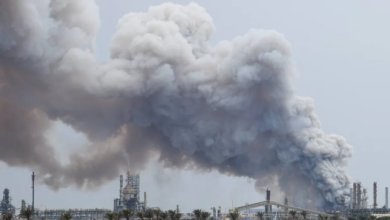
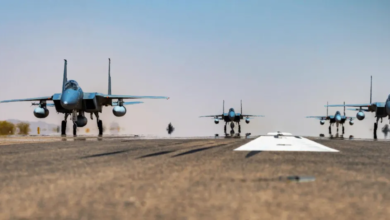
In a new military and security achievement, Saudi defenses successfully thwarted a large-scale terrorist attack. The Arab Coalition Forces supporting the legitimate government in Yemen announced the interception and destruction of two ballistic missiles and eight explosive-laden drones launched by the Houthi terrorist militia toward Saudi territory. This incident reaffirms the high level of efficiency and constant vigilance of the Royal Saudi Air Defense Forces in protecting national airspace and ensuring the safety of civilians and civilian infrastructure from any cross-border threats.
General context and historical background of the event
These repeated attacks stem from the ongoing conflict in Yemen, which began with the Houthi militia's coup against the internationally recognized legitimate government. Since the launch of the Arab Coalition's operations in response to a request from the Yemeni government, the Houthi militias have consistently used explosive-laden drones and ballistic missiles to target civilian areas and vital infrastructure in Saudi Arabia. International and UN reports indicate that these weapons constitute a flagrant violation of international humanitarian law and its customary rules. Over the past years, Saudi Arabia has successfully built a robust defense system using advanced technologies, such as the Patriot missile defense system, to neutralize these threats, minimize their risks, and protect lives and property.
The importance of the event and its expected impact
Local impact: Protecting civilians and national assets
Domestically, the success of Saudi defenses in intercepting this large number of drones and ballistic missiles simultaneously sends a strong message of reassurance to citizens and residents across the Kingdom. The ability to neutralize eight drones and two ballistic missiles before they reached their targets reflects the high operational readiness of the Saudi armed forces and ensures the continuation of normal life and the protection of vital infrastructure, including civilian airports, desalination plants, and major economic facilities.
Regional impact: Regional stability and energy security
Regionally, these events highlight the ongoing threat posed by armed militias to the stability of the Middle East. Countering these attacks not only protects Saudi Arabia but also contributes to regional security and prevents the spread of chaos. Furthermore, protecting Saudi territory directly safeguards the stability of global energy markets, as any targeting of oil facilities could disrupt energy supplies, negatively impacting both the regional and global economies.
International impact: Condemning terrorism and supporting legitimacy
At the international level, the Kingdom's response to these attacks enjoys broad support from the international community, including the United Nations and major powers, which consistently condemn these systematic Houthi attacks. These incidents underscore the need for the international community to take a firmer stance against arms smuggling and the supply of military technology to militias. They also highlight the Arab Coalition's commitment to taking all necessary operational measures to protect civilians in accordance with international humanitarian law, while reserving the right to a legitimate response to neutralize the sources of the threat.
In conclusion, the success of Saudi defenses in thwarting these complex attacks remains conclusive proof of the Kingdom’s military and technological superiority, and confirms the coalition’s continued efforts to support the stability of Yemen and the region, and to confront anything that threatens international peace and security.