
في إطار جهودها المستمرة لخدمة ضيوف الرحمن وتوفير أقصى درجات الراحة والطمأنينة لهم، أعلنت المملكة العربية السعودية، عبر شركة كدانة للتنمية والتطوير، عن إطلاق مرحلة جديدة من مشاريع الأنسنة والتطوير في المشاعر المقدسة. تأتي هذه الخطوة ضمن الاستعدادات المبكرة لموسم حج عام 1447 هـ، وتستهدف تطوير مساحة إجمالية تتجاوز 51 ألف متر مربع، مما يعكس الالتزام الراسخ بتحسين تجربة الحج وجعلها أكثر يسراً وأماناً.
السياق العام: تاريخ من العناية والتطوير
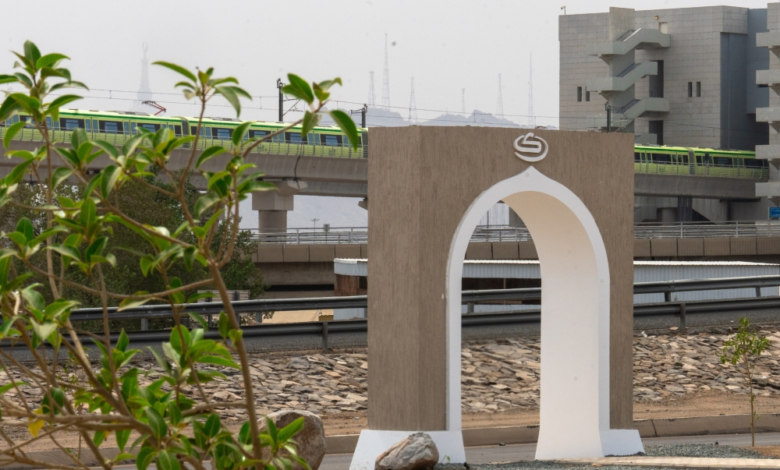
تولي المملكة العربية السعودية، منذ تأسيسها، اهتماماً بالغاً بالحرمين الشريفين والمشاعر المقدسة، إدراكاً منها لمسؤوليتها العظيمة تجاه المسلمين في شتى بقاع الأرض. على مر العقود، شهدت المشاعر المقدسة مشاريع تطويرية عملاقة، بدءاً من توسعات الحرم المكي الشريف، مروراً بإنشاء جسر الجمرات متعدد الطوابق، وصولاً إلى قطار المشاعر المقدسة وشبكات الطرق والأنفاق الحديثة. تهدف هذه المشاريع التاريخية إلى استيعاب الأعداد المتزايدة من الحجاج سنوياً وضمان سلامتهم وتسهيل تنقلاتهم بين منى ومزدلفة وعرفات.
تفاصيل المشاريع الجديدة لموسم 1447 هـ
أوضحت شركة كدانة، الذراع التنفيذي للهيئة الملكية لمدينة مكة المكرمة والمشاعر المقدسة، أن المشاريع الجديدة تركز على تحسين البنية التحتية و”أنسنة” الفضاءات العامة. وشملت الأعمال المعلن عنها ما يلي:
- تطوير محور طريق الملك عبدالعزيز: تأهيل وتطوير مساحة تقارب 850 متراً مربعاً على هذا المحور الحيوي، لتسهيل حركة المشاة وتوفير مساحات مريحة.
- أنسنة ساحات نزول الحجاج في مزدلفة: إعادة تهيئة وتطوير مساحة ضخمة تتجاوز 50,900 متر مربع في ساحات النزول بمشعر مزدلفة. هذا المشروع يهدف إلى التعامل مع الكثافة العالية للحجاج خلال فترتي الإفاضة والمبيت.
وتتضمن أعمال التطوير تنفيذ أرضيات مهيأة للمشاة، وتوفير عناصر تظليل متطورة وأنظمة تبريد لتلطيف الأجواء الحارة، بالإضافة إلى إنشاء مناطق جلوس مريحة ومرافق خدمية متكاملة. تساهم هذه التحسينات بشكل مباشر في تقليل الإجهاد البدني على الحجاج وتحسين جودة تجربتهم خلال أداء المناسك.
الأهمية والتأثير المتوقع ضمن رؤية 2030
تكتسب هذه المشاريع أهمية استراتيجية كبرى كونها تندرج ضمن مستهدفات رؤية المملكة 2030 وبرنامج “خدمة ضيوف الرحمن”. على الصعيد المحلي، تعزز هذه المشاريع من الكفاءة التشغيلية لإدارة الحج وترفع من مستوى الخدمات المقدمة. أما على الصعيدين الإقليمي والدولي، فهي ترسخ مكانة المملكة كقائدة للعالم الإسلامي وتؤكد على الدور الريادي الذي تلعبه في خدمة الحجاج والمعتمرين. إن إثراء التجربة الدينية للحاج لا يقتصر على الجانب الروحاني فحسب، بل يمتد ليشمل كل تفاصيل رحلته، بدءاً من وصوله وحتى مغادرته، وهو ما تسعى هذه المشاريع لتحقيقه، لتبقى رحلة الحج ذكرى إيمانية ميسرة ومطمئنة في وجدان كل حاج.