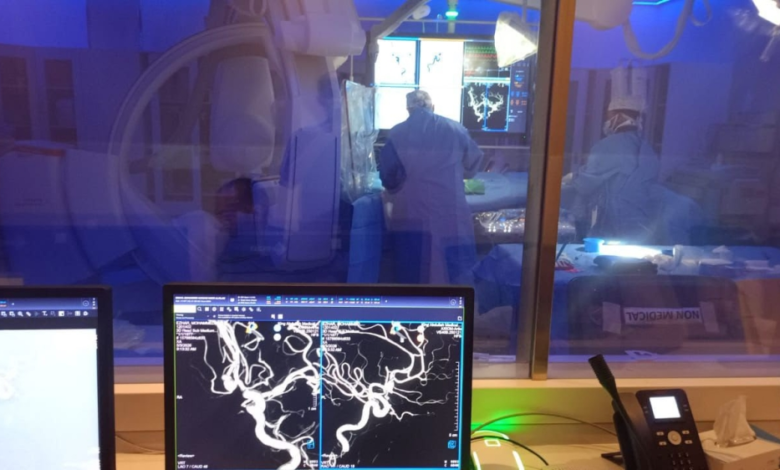

في إنجاز طبي لافت يعكس مدى التطور والجاهزية العالية للمنظومة الصحية السعودية خلال موسم الحج، نجح فريق طبي متخصص في مركز العلوم العصبية بمدينة الملك عبد الله الطبية في مكة المكرمة، عضو تجمع مكة المكرمة الصحي، في إنقاذ حياة حاج من الجنسية التركية تعرض لجلطة دماغية حادة ونادرة في الشريان القاعدي للمخ، والتي تعد من أخطر أنواع السكتات الدماغية وأكثرها ارتباطاً بمعدلات الوفاة والإعاقة الدائمة.
جهود تاريخية لخدمة ضيوف الرحمن
يأتي هذا النجاح الطبي ضمن سياق تاريخي طويل من جهود المملكة العربية السعودية في توفير أرقى مستويات الرعاية الصحية لضيوف الرحمن. فعلى مر العقود، استثمرت المملكة بشكل مكثف في بناء بنية تحتية صحية متكاملة في المشاعر المقدسة، تشمل مستشفيات متخصصة ومراكز صحية منتشرة في كل المواقع، وتجهيزها بأحدث التقنيات الطبية. وفي كل عام، تقوم وزارة الصحة بحشد آلاف الكوادر الطبية والفنية والإدارية لضمان تقديم خدمات وقائية وعلاجية وإسعافية مجانية لجميع الحجاج، وهو ما يجعل الرعاية الصحية في الحج نموذجاً فريداً على مستوى العالم في إدارة الحشود صحياً.
تفاصيل التدخل الطبي العاجل
بدأت الحالة بظهور أعراض عصبية مفاجئة وحادة على الحاج التركي، تمثلت في ضعف شديد بالجانب الأيسر من الجسم وصعوبة بالغة في النطق. على الفور، تم نقله إلى مستشفى جبل الرحمة، حيث تم تشخيصه مبدئياً بانسداد حاد في الشريان القاعدي، وجرى إعطاؤه العلاج المذيب للجلطات كإجراء إسعافي أولي. إلا أن حالته شهدت تدهوراً متسارعاً في مستوى الوعي، مما استدعى وضعه على جهاز التنفس الصناعي ونقله بشكل عاجل إلى مدينة الملك عبد الله الطبية لاستكمال التدخل العلاجي المتقدم.
قسطرة دماغية دقيقة تعيد تدفق الدم
وفور وصوله، باشر الفريق الطبي في مركز العلوم العصبية تقييم الحالة، حيث أظهرت الفحوصات والأشعة وجود انسداد شديد بالدورة الدموية الخلفية للمخ ونقص تروية واسع النطاق. وبناءً على ذلك، اتُخذ القرار الفوري بنقل المريض إلى جناح القسطرة العصبية، حيث أُجريت له قسطرة دماغية علاجية متقدمة باستخدام أحدث تقنيات السحب المباشر والدعامة الشبكية. وبفضل الله، تكللت العملية بالنجاح التام في استخراج الجلطة وإعادة فتح الشريان المصاب واستعادة التروية الدماغية بشكل كامل.
أهمية الإنجاز وتأثيره
لم تقتصر نتائج هذا التدخل الناجح على إنقاذ حياة الحاج فحسب، بل كان له أثر إيجابي بالغ على سمعة القطاع الصحي السعودي دولياً. فهذه العمليات الدقيقة تؤكد للعالم الإسلامي والمجتمع الدولي قدرة المملكة على التعامل مع أعقد الحالات الطبية الطارئة بكفاءة واحترافية. وشهدت حالة الحاج تحسناً ملحوظاً خلال ساعات قليلة، حيث تم فصله بنجاح عن جهاز التنفس الصناعي، واستعاد وعيه بالكامل وقدرته على التواصل الفعال وتحريك أطرافه الأربعة، مع استقرار تام في جميع علاماته الحيوية، مما يبرهن على أن سرعة الاستجابة والتكامل بين الفرق الطبية كانا عاملين حاسمين في تحقيق هذه النتيجة الإيجابية.