The strength of the Saudi economy: Advanced financial tools to meet challenges

Introduction: The resilience of the Saudi economy in the face of crises
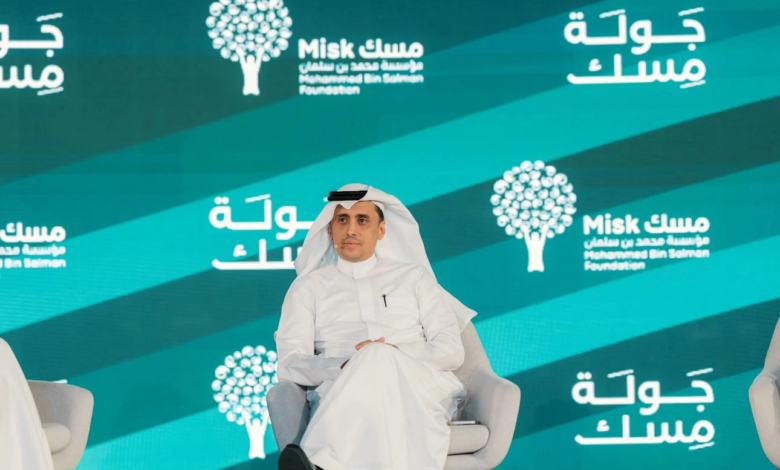
Amidst the geopolitical tensions and economic fluctuations the world is witnessing, the Saudi economy as a leading model of resilience and growth. In this context, economic analyst and researcher Dr. Ali Al-Hazmi, in an exclusive interview with Okaz newspaper, offers a detailed and insightful analysis of the Kingdom of Saudi Arabia's strengths. Al-Hazmi emphasized that the Kingdom has excelled in building a robust financial and institutional framework, enabling it to confidently and effectively address global challenges, reflecting the success of its modern economic policies.
Historical context and the shift towards Saudi Vision 2030
Historically, the Saudi economy has relied for decades on oil revenues as the primary driver of development and a major source of national income. With global energy markets experiencing sharp fluctuations in prices, the Saudi leadership recognized the need for a fundamental shift. Hence, the launch of Saudi Vision 2030 in 2016, an ambitious strategic plan aimed at reducing dependence on oil. Dr. Al-Hazmi explained that comprehensive structural reforms and the diversification of national income sources are no longer mere plans on paper, but have become a tangible reality that has strengthened the economy's resilience to external shocks, making it more capable of absorbing crises today compared to many economies in the region and the world.
fiscal policy and wise management of public debt
Regarding fiscal policy, Al-Hazmi emphasized that the Kingdom's strong fiscal margins are a key factor in its stability. Over the past decade, the country has adopted a balanced approach based on prudently managing public debt while simultaneously building substantial financial reserves. Strong sovereign assets, primarily the Public Investment Fund (PIF), play a crucial role in this context through their domestic and international investments. These margins provide economic policymakers with considerable flexibility to act swiftly during crises, whether by supporting vital sectors, maintaining fiscal stability, or ensuring the sustainability of major development projects that are reshaping the Kingdom's landscape.
Confidence of the international community and credit rating agencies
Regarding international confidence, the economic analyst pointed out that major global credit rating agencies such as Standard & Poor's, Fitch, and Moody's clearly reflect this strength. These agencies have assigned the Kingdom a stable and positive outlook in their periodic reports. This high rating enhances the attractiveness of foreign direct investment and assures international investors that the Saudi economic environment is safe and prosperous. Al-Hazmi added that the shift towards the non-oil sector has significantly reduced the sensitivity of GDP to energy price fluctuations, thus ensuring the continuity of long-term economic growth and creating new job opportunities.
Regional and international impact and stability of energy markets
Internationally, Saudi Arabia plays a pivotal role that extends beyond its geographical borders as an active member of the G20. Al-Hazmi concluded his remarks by emphasizing the Kingdom's leading role as a key stabilizing force in the global energy market. Through its leadership within the OPEC+ alliance, Saudi Arabia strives to achieve a delicate balance between the interests of producing and consuming nations through well-considered production policies. This balance, supported by a sophisticated logistical infrastructure, positions Saudi Arabia as a cornerstone of regional and global economic stability under the umbrella of Vision 2030.