Education investments in Saudi Arabia: Building the future generation and Vision 2030

A group of experts and academics affirmed that education in the Kingdom of Saudi Arabia is undergoing an unprecedented historical transformation, driven by massive government investments aimed at building a sustainable knowledge-based economy. On the occasion of the International Day of Education , observed annually on January 24, they explained that these efforts reflect the objectives of the Kingdom's Vision 2030, which places human capital development at the forefront of its priorities.
Strategic context: From traditional education to the knowledge economy
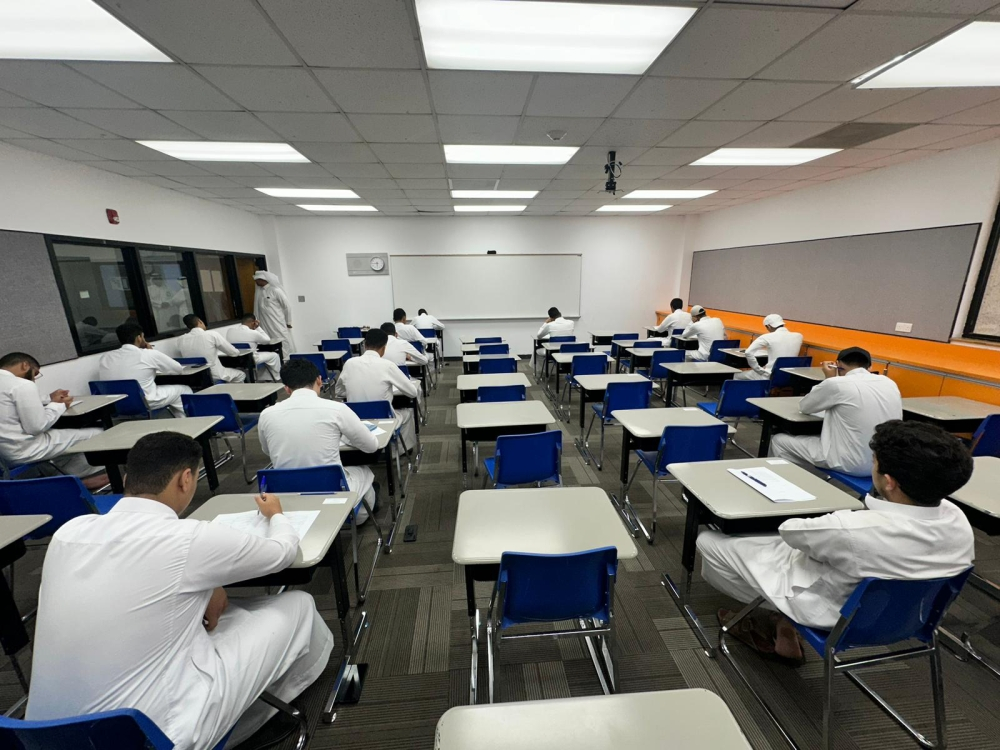
Historically, education in the Kingdom has undergone several developmental phases, but the current phase is the most comprehensive and integrated. Since the launch of Vision 2030, the government has allocated substantial budgets to the education sector, exceeding global averages for government spending on this vital sector. The Human Capability Development Program is a cornerstone of this transformation, aiming to enhance the global competitiveness of Saudi citizens by focusing on 21st-century skills and shifting from rote learning to innovation-driven and critical thinking-based education.
Quality investments and unlimited leadership support
In this context, Professor Amal Al-Othman, a professor of curriculum and teaching methods, emphasized that the generous support of the Custodian of the Two Holy Mosques and His Royal Highness the Crown Prince – may God protect them – has been the cornerstone of developing the educational system. She pointed out that this attention has not been limited to infrastructure alone, but has also included investment in human capital, developing curricula to keep pace with global changes, and enhancing learning , which directly contributes to raising the Kingdom's rankings in international classifications and achieving the Sustainable Development Goals.

Dr. Amal Al Othman
Artificial intelligence and quality of life
For her part, Dr. Iman Ali Al-Dhaheri, Associate Professor of Artificial Intelligence, linked the quality of education to improving the quality of life, emphasizing that modern education goes beyond simply transferring knowledge to building well-rounded individuals capable of problem-solving and decision-making. She explained that the greatest challenge lies in the rapidly changing skills required by the labor market, necessitating the adoption of flexible educational models that rely on artificial intelligence and customized learning pathways. This is precisely what Saudi universities are currently working on to ensure graduates meet national aspirations.
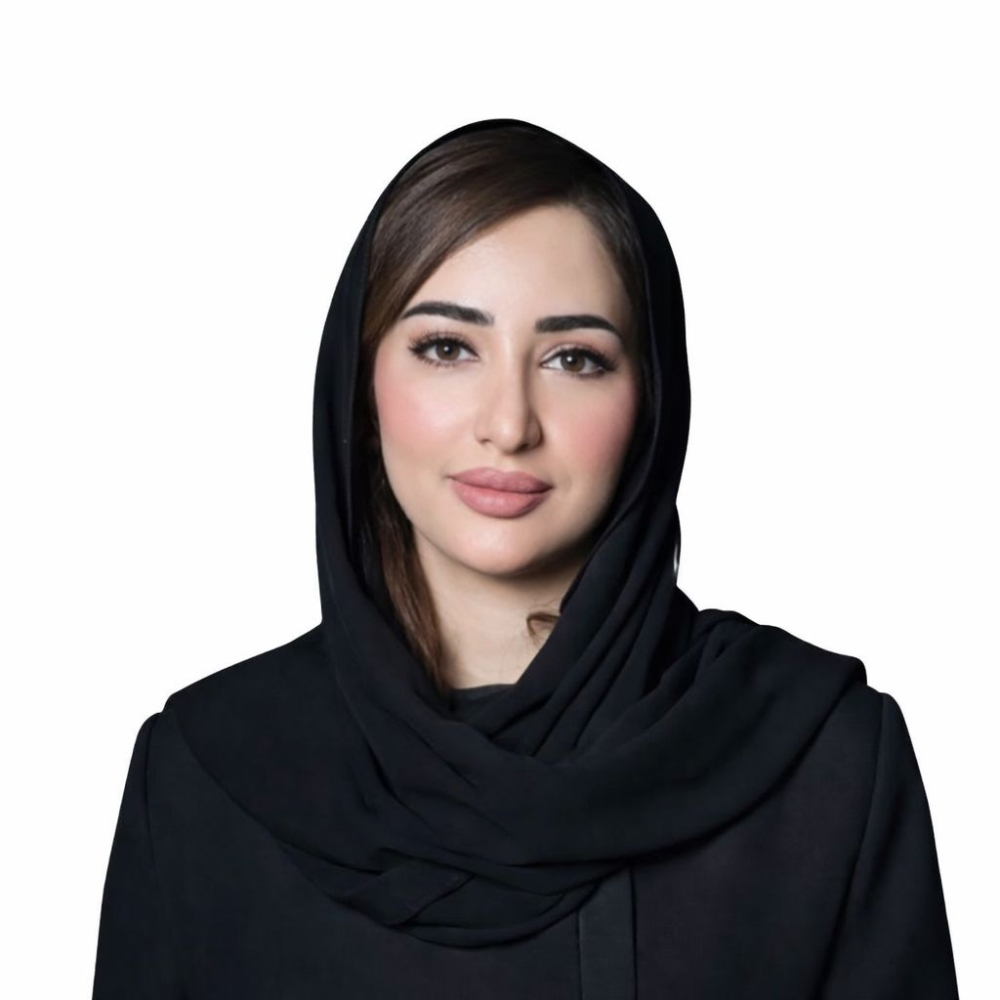
Dr. Iman Ali Al-Dhaheri
Addressing challenges and bridging the skills gap
In a related context, Dr. Maram Fahad Al-Mufarrah, a professor at the College of Computer Science at Al-Jouf University, pointed to the necessity of bridging the gap between theoretical education and the practical needs of the labor market. She emphasized that the International Day of Education presents an opportunity to underscore the importance of updating educational policies to embrace innovation and project-based learning. She added that digital transformation and blended learning are no longer optional, but rather an urgent necessity for expanding access to education and achieving equitable distribution of knowledge opportunities across different regions.
Expected economic and social impact
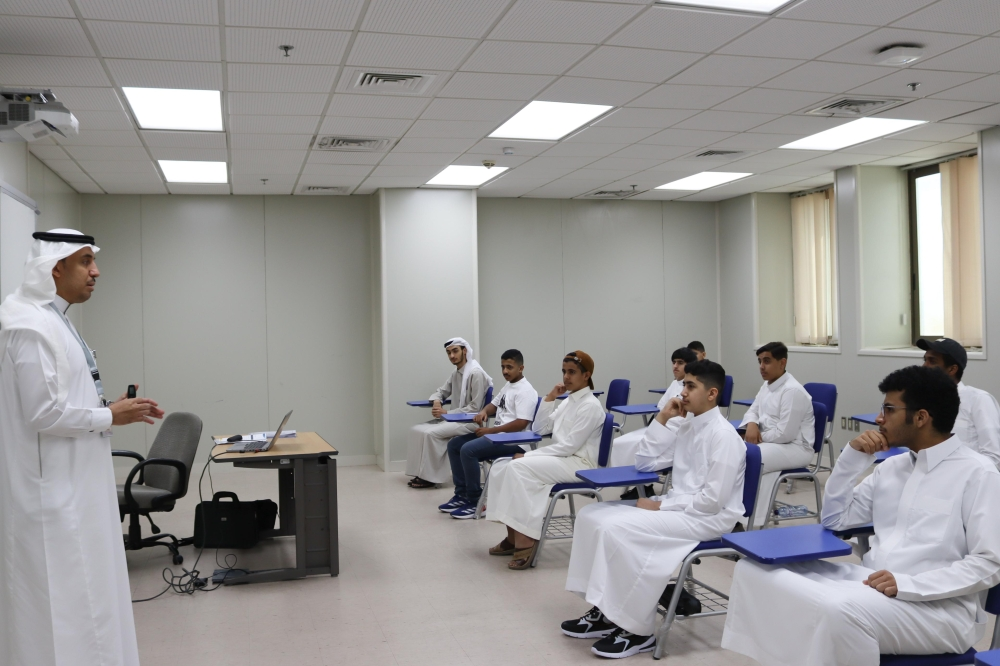
Investing in education not only benefits the individual but also impacts the national economy as a whole. Building a generation equipped with technical and innovative skills contributes to diversifying national income sources, reducing dependence on oil, and fostering entrepreneurship. Furthermore, quality education promotes social stability and instills the values of global citizenship.
Dr. Maram Fahad Al-Mufarrah
Digital innovation and the future of education
Dr. Fawzia Hassan Ghazawi, a software engineering specialist, concluded by emphasizing that technology and innovation are driving the education landscape today. She explained that digital platforms have enabled an interactive learning experience that caters to individual differences, stressing that investing in educational innovation is the only way to build generations capable of adapting to changes and creating opportunities in a rapidly evolving world.
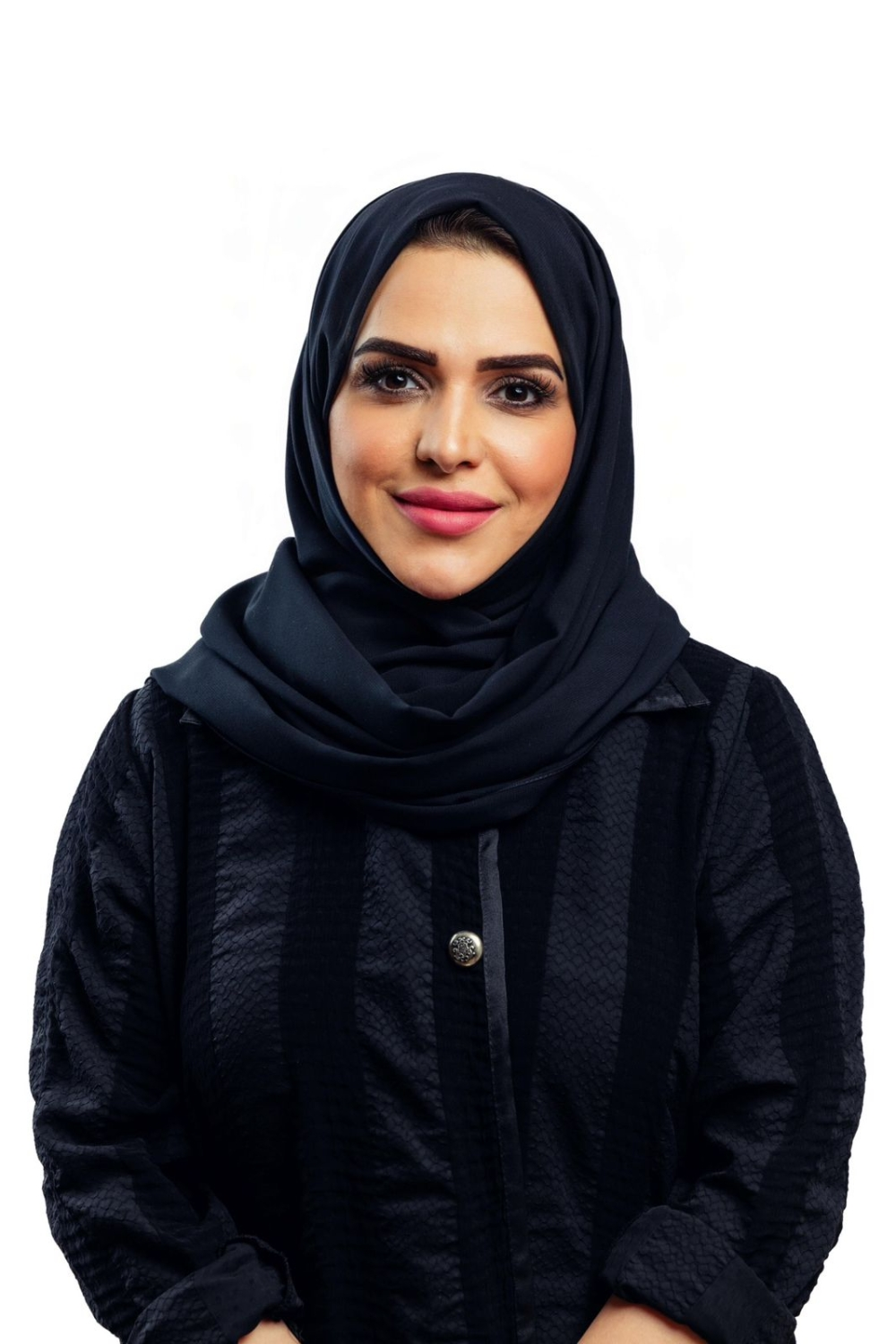
Dr. Fawzia Hassan Ghazawi